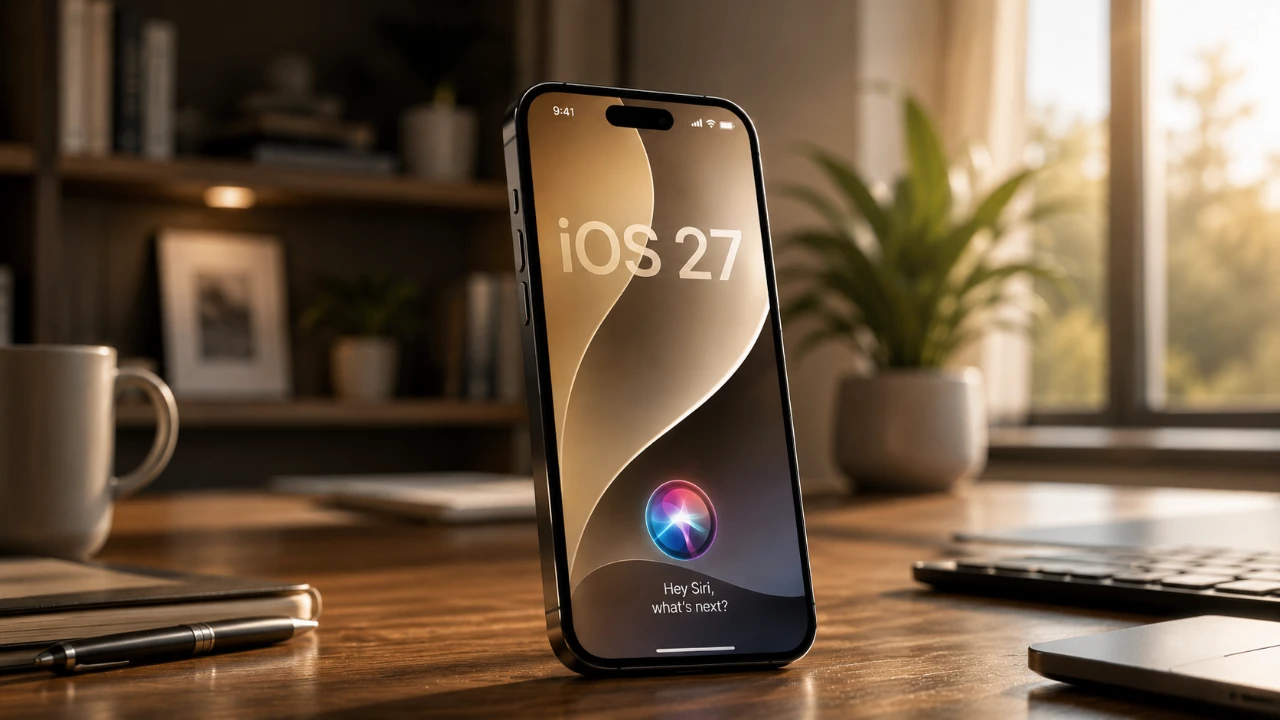
Apple’s Siri AI, introduced alongside iOS 27, represents a significant step forward in artificial intelligence. However, its availability and functionality are heavily influenced by the hardware capabilities of your device. While iOS 27 is compatible with a broad range of Apple devices, the most advanced Siri AI features are exclusive to newer models. This article provides a detailed breakdown of which devices support Siri AI, how hardware impacts its functionality, and the interplay between cloud computing and on-device processing in shaping the user experience. The video below from 9 to 5 Mac gives us more details.

iOS 27 Compatibility: The Basics
iOS 27 is supported on a wide range of devices, starting with the iPhone 11 and newer models, including the iPhone SE (2nd generation) and later. While older devices benefit from general updates such as security patches and interface enhancements, they lack support for Siri AI. This limitation highlights the importance of hardware in allowing advanced features.
For iPads, Siri AI compatibility begins with models powered by the M1 chip or newer. On Macs, devices equipped with M1 or later processors support Siri AI, with enhanced functionality available on systems featuring at least 12GB of RAM. Apple Watches rely on the capabilities of their paired iPhones, while all Vision Pro models are fully compatible with Siri AI.
Device-Specific Siri AI Support
Siri AI functionality varies across Apple’s product lineup, with newer devices offering more advanced capabilities. Below is a breakdown of supported devices:
- iPhones: Full Siri AI support is available on the iPhone 15 Pro and newer models, with the iPhone 17 Pro delivering the best performance due to its advanced hardware.
- iPads: Advanced Siri AI features are supported on iPads equipped with the M1 chip or newer, such as the M4 iPads.
- Macs: Devices with M1 or later processors support Siri AI, with higher functionality on systems featuring 12GB or more of RAM.
- Apple Watches: Siri AI capabilities depend on the hardware of the paired iPhone, as the watch itself does not process AI requests independently.
- Vision Pro: All Vision Pro models are fully compatible with Siri AI, using their advanced hardware for seamless AI interactions.
Understanding Siri AI’s Tiered Functionality
Apple has implemented a tiered system for Siri AI, which is influenced by both the hardware capabilities of the device and the type of processing used. This system ensures that users experience varying levels of functionality based on their device’s specifications.
- Cloud-Based Siri AI: Devices such as the iPhone 15 Pro and iPhone 16 rely on cloud computing for AI processing. This allows access to advanced features but requires an active internet connection, which may result in slower response times compared to on-device processing.
- On-Device Siri AI: Newer models, including the iPhone 17 Pro and M4 iPads, process AI requests locally. This approach offers several advantages, including faster response times, offline functionality and enhanced privacy by reducing reliance on cloud servers.
This distinction highlights the benefits of on-device processing for users who prioritize speed, privacy and reliability in their AI interactions.
Hardware Requirements for Advanced Siri AI
The most advanced Siri AI features, such as customizable voices, real-time language translation and image generation, require robust hardware. Devices equipped with the A17 Pro chip or newer, as well as those with 12GB or more of RAM, are better suited to handle these capabilities. For instance, the iPhone 17 Pro and M4 iPads use their advanced processors and memory to deliver seamless AI interactions, ensuring a superior user experience.
The Role of iCloud Plus
Certain Siri AI features, including image generation and advanced voice customization, are tied to iCloud Plus subscriptions. The availability and usage limits of these features depend on your subscription tier. This integration reflects Apple’s strategy of combining hardware advancements with subscription services to enhance the overall user experience. By subscribing to iCloud Plus, users can unlock additional Siri AI capabilities, further extending the functionality of their devices.
Privacy and Performance: A Balanced Approach
Apple’s approach to Siri AI emphasizes a balance between performance and privacy. On-device processing not only improves response times but also addresses privacy concerns by minimizing reliance on cloud servers. By handling requests locally, devices reduce the risk of data exposure, making this approach particularly appealing to users who value both security and speed in their AI interactions. This focus on privacy aligns with Apple’s broader commitment to protecting user data.
Looking Ahead: The Future of Siri AI
Apple continues to refine Siri AI through active beta testing, gathering insights to improve functionality and better understand user behavior. These ongoing developments are expected to influence future pricing models, feature availability, and hardware requirements. As Apple advances its AI capabilities, the interplay between hardware, software, and subscription services will play a pivotal role in shaping the evolution of Siri AI. Users can anticipate further enhancements that integrate seamlessly into Apple’s ecosystem, offering a more personalized and efficient experience.
Uncover more insights about Siri 2.0 in the previous articles we have written.
- The 8 New Apple Products Leaking Ahead of the June Event
- Siri 2.0: Apple’s Massive iOS 27 Overhaul Makes the Assistant Unrecognizable8
- Apple Just Confirmed WWDC 26: What to Expect from Siri 2.0 and iOS 27
- A Massive Leak Just Revealed Apple’s Radical Siri Redesign for iOS 27
- Siri 2.0 Plans Include Siri App and Dynamic Island Controls
Source & Image Credit: 9to5Mac
Disclosure: Some of our articles include affiliate links. If you buy something through one of these links, Geeky Gadgets may earn an affiliate commission. Learn about our Disclosure Policy.
