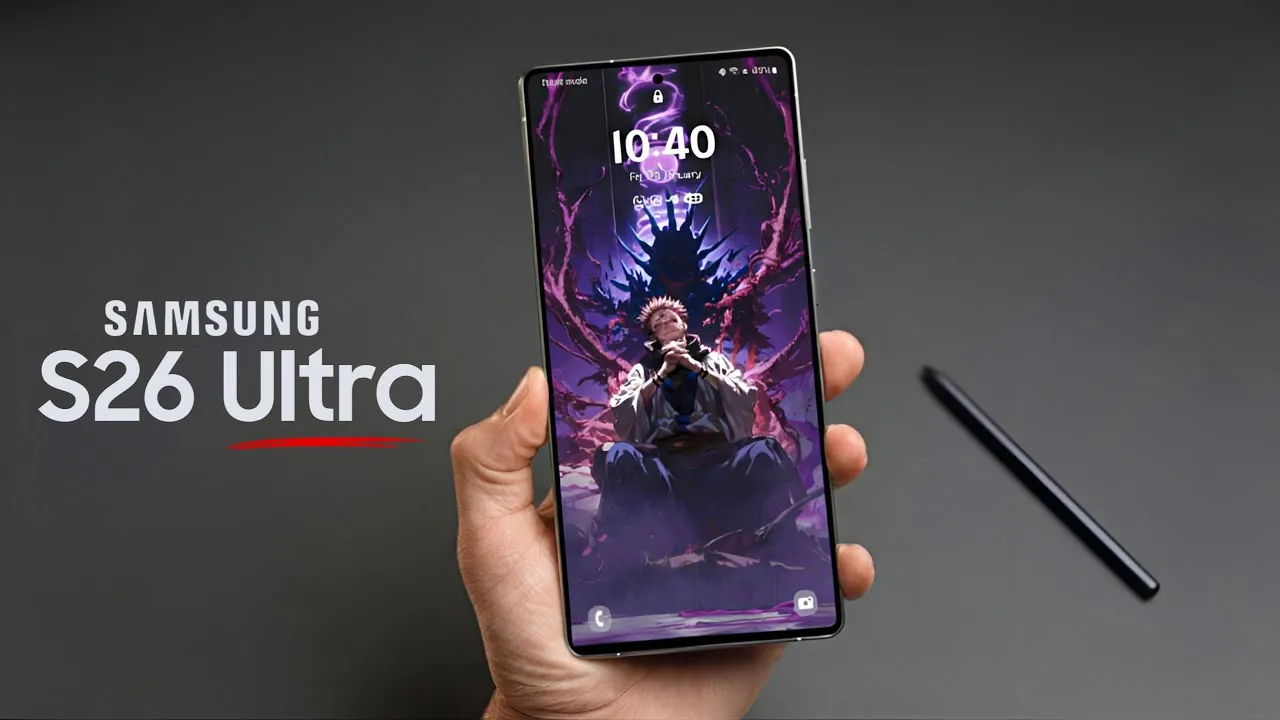
Google’s advanced scam detection technology, previously exclusive to its Pixel devices, is rumored to be making its way to Samsung’s Galaxy S26 Ultra. This potential integration could significantly enhance how you experience privacy and security on your smartphone. By using on-device AI, the feature is designed to detect scams in real time, offering a safer and more seamless communication experience. If implemented, this collaboration could represent a pivotal moment in the evolution of smartphone security.

How On-Device AI Enhances Scam Detection
At the heart of Google’s scam detection technology lies its on-device AI, which analyzes communication patterns to identify and flag potential scams. Unlike server-based systems, this approach ensures that your data remains private while providing real-time alerts. Whether it’s a suspicious phone call or a questionable text message, the system actively works to protect you without compromising your personal information.
This feature has been a standout element of Google’s Pixel lineup, setting a high standard for smartphone security. However, recent developments suggest that Samsung’s Galaxy S26 Ultra could be the next device to incorporate this innovative technology. If realized, this would bring a new level of security to a broader audience, further solidifying the Galaxy S26 Ultra as a top-tier smartphone.
Clues Pointing to Integration with Samsung’s Galaxy S26 Series
Hints within Google’s phone app suggest that the Galaxy S26 models may soon benefit from this scam detection feature. However, the exact method of integration remains unclear. Historically, Samsung has relied on its proprietary dialer app, which raises two possible scenarios: either Samsung could preload Google’s Phone app onto its devices, or it might embed the scam detection technology directly into its own software.
This wouldn’t be the first time Samsung has adopted Google’s solutions to enhance its devices. For example, Samsung transitioned to Google Messages to support Rich Communication Services (RCS), prioritizing functionality and user experience over exclusivity. A similar approach with scam detection could ensure a seamless and intuitive experience for Galaxy S26 users, further strengthening Samsung’s reputation for delivering user-centric innovations.
Samsung’s Collaborative History with Google
Samsung has a long-standing history of integrating Google’s apps and services into its ecosystem. One notable example is its shift from a proprietary messaging app to Google Messages, which improved cross-platform compatibility and streamlined communication for users. This collaboration demonstrated Samsung’s willingness to prioritize functionality and user satisfaction over maintaining exclusivity in its software offerings.
If Samsung adopts a similar strategy with its dialer app, it could pave the way for the smooth integration of Google’s scam detection technology. This move would not only enhance the Galaxy S26 Ultra’s security features but also reflect Samsung’s adaptability in incorporating advanced tools into its ecosystem. For users, this means a more secure and efficient smartphone experience, with fewer barriers to enjoying innovative technology.
What to Expect from the Galaxy S26 Series
The Galaxy S26 series is expected to debut at Samsung’s Unpacked event on February 25, 2026, with global availability anticipated in March. Alongside the potential inclusion of Google’s scam detection feature, the series is rumored to introduce several noteworthy upgrades:
- Faster and more efficient charging technology to reduce downtime.
- A privacy-focused display designed to shield sensitive information from prying eyes.
- Refined hardware that combines enhanced durability with sleek aesthetics.
- New color options to cater to a wider range of personal preferences.
While these updates may not represent a innovative leap, they underscore Samsung’s commitment to iterative improvements that enhance the overall user experience. Combined with the potential integration of Google’s scam detection technology, these features could make the Galaxy S26 series a compelling choice for both tech enthusiasts and everyday users.
Implications for the Broader Smartphone Ecosystem
The rumored integration of Google’s scam detection technology into Samsung’s Galaxy S26 Ultra could have far-reaching implications for the smartphone industry. For Samsung, this collaboration would reinforce its reputation as a brand that prioritizes user security and privacy. For Google, it represents a strategic expansion of its software capabilities beyond its own hardware, potentially setting a new standard for cross-brand partnerships.
For you, the user, this development could mean a more secure and streamlined communication experience, regardless of whether you choose a Pixel or a Galaxy device. This collaboration highlights a growing trend in the industry: major brands working together to deliver better features and functionality, ultimately benefiting consumers.
The Road Ahead for Samsung and Google
The potential inclusion of Google’s scam detection feature in the Galaxy S26 Ultra signals a significant step forward in smartphone technology. By combining Samsung’s expertise in hardware design with Google’s innovative software solutions, this partnership could establish a new benchmark for privacy and security in mobile communication.
As more details emerge, the Galaxy S26 series is shaping up to be a standout option for those seeking innovative features and reliable performance. Whether you’re a tech enthusiast looking for the latest innovations or a casual user prioritizing security and ease of use, this collaboration could redefine your expectations for what a smartphone can offer.
Stay informed about the latest in On-device AI by exploring our other resources and articles.
- How EmbeddingGemma Delivers On-Device AI with Multilingual
- Gemma 3N: Google’s Latest On Device Mobile AI Model
- CUJO AI Smart Internet Security Firewall + Free Subscription
- Meet Claude Cowork, Your On-Device AI Helper & Browser
- How EmbeddingGemma Enables On-Device AI Without Cloud
Source & Image Credit: Demon’s Tech
Disclosure: Some of our articles include affiliate links. If you buy something through one of these links, Geeky Gadgets may earn an affiliate commission. Learn about our Disclosure Policy.
