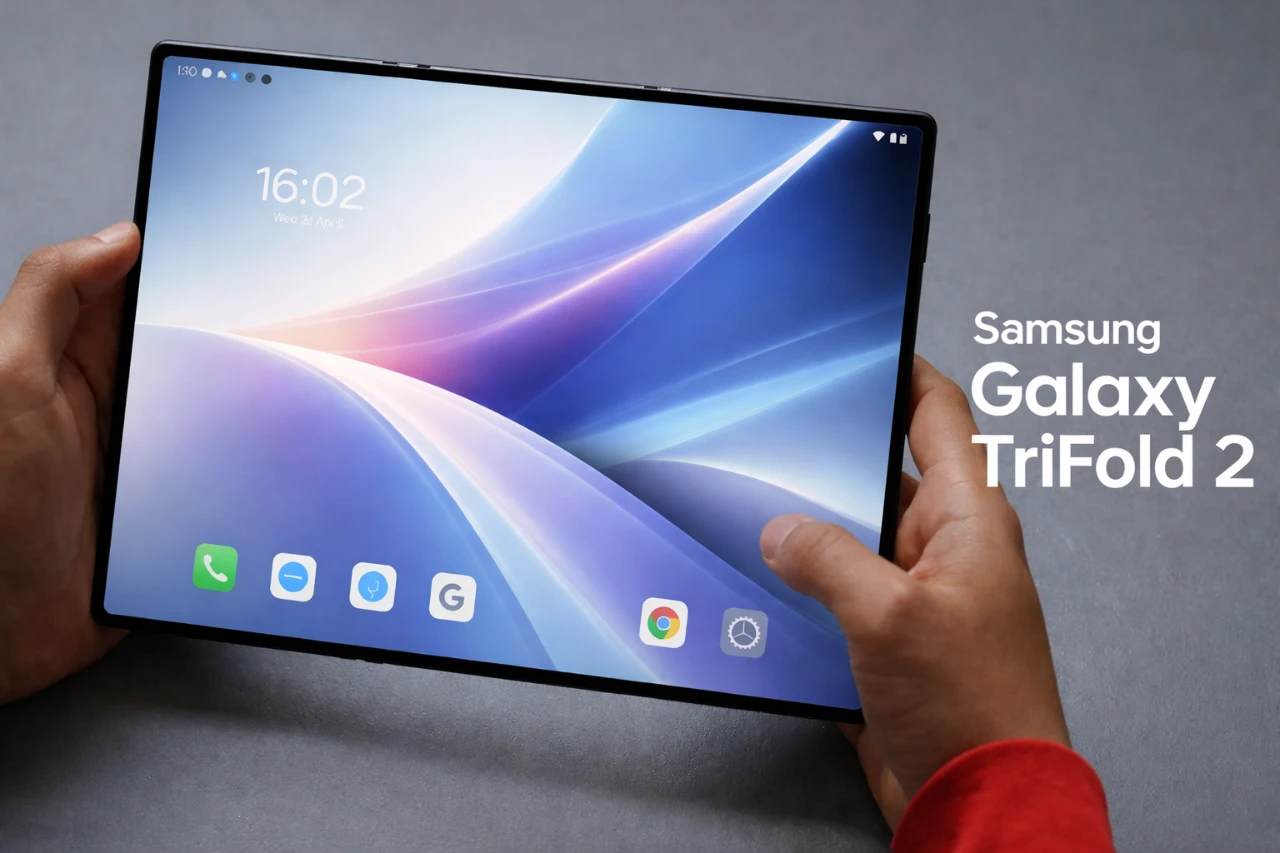
Samsung’s Galaxy Z TriFold 2 is poised to reshape the landscape of foldable smartphones. With a thinner, lighter design and the rumored removal of the USB-C charging port, this device could signal a fantastic moment in portable technology. However, these advancements are not without their challenges. User adaptation, regulatory compliance, and practical trade-offs make the Galaxy Z TriFold 2 a bold yet intricate step forward in the evolution of mobile devices. The video below from GregglesTV gives us more details on what to expect from the Samsung Galaxy Z TriFold 2.

Design Innovations: Slimmer, Lighter, Smarter
The Galaxy Z TriFold 2 is expected to build on the foundation laid by its predecessor, offering a sleeker and more portable design. Samsung has reportedly refined the device’s internal components and external panels to achieve a lighter and thinner build without compromising durability. The tri-fold mechanism, a hallmark of this series, is likely to see further optimization, making sure smoother folding and improved usability.
This design evolution reflects a broader industry trend toward ultra-portable devices that prioritize both functionality and convenience. For users, this means a smartphone that is not only easier to carry but also capable of delivering high performance on the go. By addressing the balance between portability and durability, Samsung aims to cater to the growing demand for devices that seamlessly integrate into modern lifestyles.
Wireless Charging: A New Era or a Step Too Far?
One of the most discussed rumors surrounding the Galaxy Z TriFold 2 is the potential removal of the USB-C charging port in favor of magnetic wireless charging technology. This system is rumored to deliver up to 50W of power, aligning with the industry’s gradual shift toward wireless solutions. However, this bold move introduces several practical considerations:
- Charging Efficiency: Wireless charging, while convenient, can be less efficient than traditional wired options. Misalignment on charging pads and slower speeds are common concerns.
- Data Transfer and Accessories: The absence of a physical port could complicate tasks like data transfer or the use of wired peripherals, potentially requiring users to invest in additional accessories.
- Battery Longevity: Wireless charging generates heat, which may impact the long-term health of the device’s battery.
To address these challenges, Samsung might explore alternative solutions, such as relocating the USB-C port to the back of the device. This approach could preserve the device’s slim profile while offering a compromise for users who still rely on traditional charging methods. By balancing innovation with practicality, Samsung has the opportunity to redefine how users interact with their devices.
Adapting to Change: Challenges for Users
Transitioning to a wireless-only charging system represents a significant shift for many users. For those accustomed to USB-C connectivity, the change could necessitate investments in new accessories and adjustments to daily routines. Compatibility issues with older devices and the potential for slower charging speeds further complicate the transition.
Samsung may adopt a phased rollout strategy, introducing wireless-only charging in select markets to gather user feedback and refine the technology. This approach would allow the company to address concerns and ensure a smoother transition for its global customer base. By gradually introducing these changes, Samsung can help users adapt while maintaining their trust in the brand.
Regulatory Compliance: Navigating Global Standards
The potential shift to proprietary wireless charging technology could present regulatory challenges, particularly in regions like Europe, where USB-C connectivity is mandated for electronic devices. If the Galaxy Z TriFold 2 relies on proprietary adapters or accessories, it could lead to increased costs and complexity for users, potentially impacting its market appeal.
Samsung must carefully navigate these regulatory landscapes to ensure compliance while maintaining its competitive edge. By aligning its innovations with global standards, the company can avoid potential legal and logistical hurdles, making sure the Galaxy Z TriFold 2 remains accessible to a broad audience.
Samsung’s Competitive Edge in the Foldable Market
In the rapidly evolving foldable smartphone market, Samsung continues to assert its dominance. The Galaxy Z TriFold 2 exemplifies the company’s commitment to pushing technological boundaries, offering a design and feature set that few competitors can match. By taking calculated risks, such as exploring wireless-only charging, Samsung reinforces its position as a leader in innovation.
The limited competition in the tri-fold smartphone segment provides Samsung with the opportunity to experiment and refine its designs. This strategy not only strengthens its foothold in the foldable market but also solidifies its reputation as a pioneer in portable technology. As the industry evolves, Samsung’s willingness to embrace bold ideas ensures it remains at the forefront of innovation.
Balancing Innovation and Practicality
The Galaxy Z TriFold 2 represents a significant milestone in the development of foldable smartphones. Its thinner, lighter design and potential adoption of magnetic wireless charging highlight Samsung’s dedication to innovation. However, these advancements come with challenges, including user adaptation, regulatory compliance and potential trade-offs in functionality.
As Samsung continues to lead the foldable market, the Galaxy Z TriFold 2 serves as a testament to the company’s ability to balance innovative technology with practical usability. Whether this device sets a new standard or sparks debate, it undeniably marks a pivotal moment in the evolution of portable technology.
Here are more detailed guides and articles that you may find helpful on Galaxy Z TriFold 2.
- Samsung Galaxy Z Tri-Fold: December 5 Launch, Final Specs
- Samsung Galaxy Z Trifold: Features, Price and Release Date
- Samsung Galaxy Z Tri-fold: Features, Price and Availability
Source & Image Credit: GregglesTV
Disclosure: Some of our articles include affiliate links. If you buy something through one of these links, Geeky Gadgets may earn an affiliate commission. Learn about our Disclosure Policy.
