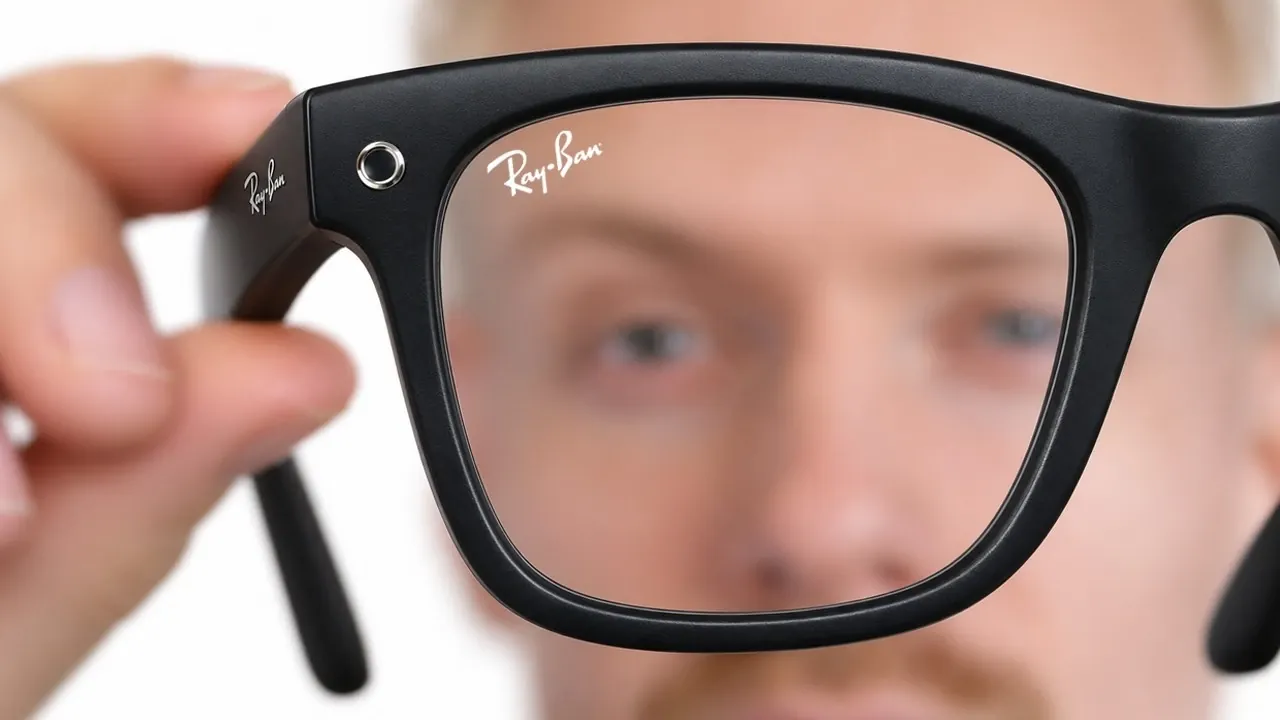
The Ray-Ban Meta Wayfarer Gen 3 smart glasses bring a handful of updates over the Gen 2, but their higher price tag raises questions about value. With a $70 increase, the Gen 3 introduces features like enhanced microphones, an extra hour of battery life, and new frame styles. However, the core functionality remains largely unchanged, leaving potential buyers to weigh these modest improvements against the cost, as explored by Nathie.
Explore how the Gen 3 compares to its predecessor in key areas like camera performance, audio quality, and software integration. You’ll gain insight into the practical benefits of features like live translation, customizable buttons, and improved call clarity. This breakdown also highlights where the Gen 3 falls short, helping you decide whether it’s worth upgrading or sticking with the Gen 2.
Ray-Ban Meta Wayfarer Gen 3: A Minor Upgrade at a Higher Price
TL;DR Key Takeaways :
- The Ray-Ban Meta Wayfarer Gen 3 introduces minor upgrades, including new frame styles, improved microphones, and an extra hour of battery life, but comes with a $70 price increase from the Gen 2, now costing $449.
- The glasses retain the 12-megapixel ultrawide camera from the Gen 2, capable of 3K video recording at 30 fps, but struggle with dynamic range and low-light conditions, producing grainy or blurry results indoors or after sunset.
- Audio performance remains unchanged with open-air speakers that lack strong bass and volume, but the upgraded six-microphone array reportedly achieves over 90% noise reduction, improving call clarity and voice recordings.
- Meta’s AI-powered companion app offers features like live translation in up to 20 languages, conversation focus, and the Be My Eyes Network for real-time assistance, though the app is criticized for being cluttered and requiring a Meta account.
- The Gen 3 uses the same Snapdragon AR1 Gen 1 processor as the Gen 2, resulting in minor delays, and offers only a slight battery life improvement from eight to nine hours, making it feel like a minor refresh rather than a substantial upgrade.
The Ray-Ban Meta Wayfarer Gen 3 smart glasses bring modest updates but come with a price increase from $379 for the Gen 2 to $449. While they introduce new frame styles, enhanced microphones, and an extra hour of battery life, much of their core functionality remains unchanged. Potential buyers must decide if these incremental improvements justify the higher cost.
Design and Build Quality
The Gen 3 glasses retain the durable build quality of their predecessor, performing reliably in light rain, temperature changes, and accidental drops. They are comfortable for extended wear, with adjustable temple tips improving fit despite the lack of traditional nose pads. However, the hinges may loosen over time and require occasional tightening.
Available in styles like brown tortoise shell, glossy black, and transparent frames, the glasses cater to diverse tastes. Customizable lens options, including prescriptions, add flexibility. The standard Wayfarer size suits slimmer faces, while a larger option accommodates broader face shapes.
The compact charging case offers up to 50 additional hours of battery life, a slight improvement over the Gen 2’s 48 hours. It charges to about 50% in 20 minutes. For personalization, some Meta Lab stores offer free laser engraving for the case.

Uncover more insights about Ray-Ban Meta Wayfarer Gen 3 in previous articles we have written.
- Skip the $449 Ray-Ban Meta Gen 3 If You Already Own the Gen 2
- Ray-Ban Meta Gen 3 Holds 1,000 High-Res Photos with 32GB of Storage
- Ray-Ban Meta Gen 3 Upgrades Camera to 3K Resolution Video
- How to Complete Setup for the Ray-Ban Meta Gen 3
- Meta Drops Celebrity Voice Options on the Ray-Ban Meta Gen 3
Camera and Recording Features
The Gen 3 retains the 12-megapixel ultrawide camera from the Gen 2, capable of capturing 3K resolution footage at 30 fps. While it delivers sharp, vibrant images in good lighting, it struggles with dynamic range and low-light conditions, producing grainy or blurry results indoors or after sunset. Users can also record in slow motion, hyperlapse, or 1080p at 60 fps, with clips lasting up to five minutes.
A new landscape mode enables horizontal video recording by cropping the image, while the dynamic photos feature captures multiple frames for users to choose the best shot. The companion app enhances recordings with stabilization, autoleveling, and cropping. Under favorable conditions, photos can rival those taken with a smartphone.
The glasses include a physical button for capturing photos and videos, along with a new customizable button for quick access to preferred features. Recordings are automatically imported into the companion app for editing and sharing. Instagram posts from the glasses carry a unique tag, and users can opt out of uploading content to the cloud for AI training.
Audio and Microphone Performance
The Gen 3’s open-air speakers are suitable for casual listening but lack strong bass and higher volume, making them less effective in noisy environments. The speakers remain unchanged from previous versions and do not offer noise isolation. However, the microphones have been upgraded from five to six, with Meta claiming over 90% noise reduction. This improves call clarity and voice recordings, benefiting video calls and voice commands.
The companion app allows users to adjust audio settings, such as individual speaker volumes or mono sound. The glasses also feature FDA-cleared hearing enhancement software, functioning as a hearing aid for adults with perceived mild to moderate hearing loss, offering a unique benefit for users with auditory challenges.
Software and AI Features
The companion app, powered by Meta’s AI, includes features like live translation, conversation focus, and the Be My Eyes Network for real-time assistance. Live translation supports up to 20 languages, which can be downloaded for offline use, while conversation focus amplifies voices in noisy settings. The Be My Eyes Network connects blind or low-vision users with volunteers or family members through the glasses’ camera, providing greater independence.
Integration with services like Apple Health, Google Calendar, Outlook, and Strava makes the app versatile for managing daily activities. Additional features include visual descriptions of objects, colors, surroundings, and locations. Users can interact with the glasses via voice control to access the AI assistant, though occasional misunderstandings or incorrect responses may occur.
The introduction of Muse has improved the AI’s capabilities, but the app is criticized for being cluttered, making it difficult to quickly access recordings or settings. Advanced features, such as frame location tracking, require an internet connection, and a Meta account is mandatory to use the glasses. While Meta offers a subscription service, Meta 1, for expanded features and AI capabilities, plans to restrict certain features behind a paywall were dropped after user backlash.
Battery Life and Processing Power
The Gen 3 offers a slight battery life improvement, increasing from eight to nine hours. However, this additional hour is unlikely to significantly impact most users, as the Gen 2 already provided a full day of use. The glasses continue to use the Snapdragon AR1 Gen 1 processor, unchanged from the previous generation. This older chip causes minor delays when starting recordings or interacting with the AI assistant.
Additional Features
The glasses connect to smartphones via Bluetooth and require a companion app available on iOS and Android. With 32 GB of internal storage, users can save recordings and photos directly on the device. They support tasks like social media browsing, taking calls, practicing language skills, writing voice-dictated messages, navigating, and listening to music. They can also identify songs using Shazam or recommend music through the AI.
Live translation facilitates natural conversations by playing translations through the speakers while maintaining eye contact, a feature particularly useful for travelers. However, the lack of FaceTime support may disappoint some users. A $15 care kit, available at Sunglass Hub, includes a mini screwdriver and cleaning spray with free refills.
Who Should Consider the Gen 3?
For first-time smart glasses users, the Gen 2 remains a strong option, especially if available at a discount. Many of the Gen 3’s software features, such as live translation and conversation focus, are already present in the Gen 2. While the Gen 3 introduces hardware upgrades like new frame styles, improved microphones, and a customizable action button, these changes may not justify the $70 price increase for existing Gen 2 owners.
For those seeking significant advancements in camera quality, processing power, or battery life, waiting for the Gen 4 might be a better choice. However, there is no certainty about when the next generation will arrive or what improvements it will offer. The Gen 3 feels more like a minor refresh than a substantial upgrade.
Media Credit: Nathie
Disclosure: Some of our articles include affiliate links. If you buy something through one of these links, Geeky Gadgets may earn an affiliate commission. Learn about our Disclosure Policy.
