
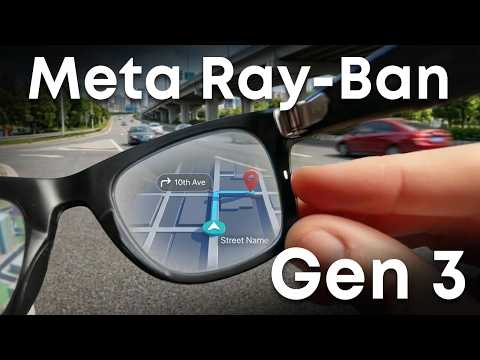
Meta’s Ray-Ban Meta Gen 3 smart glasses, expected to launch in 2026, mark a notable development in wearable devices. As detailed by TechAvid, these glasses will include advanced AI capabilities for real-time object and location recognition, enhanced audio through upgraded microphones and a Qualcomm Snapdragon AR chipset for improved performance. The screenless design will be available in two models: the “Apparel” version, offering extended battery life and advanced features and the “Bellini” version, tailored for prescription glasses users seeking a more discreet option for daily wear.
Discover the balance these glasses aim to strike between technological advancements and practical user needs, including features like extended battery life and privacy considerations. Gain insight into Meta’s dual-model approach, the role of AI in enhancing contextual awareness and the ethical challenges tied to data use in smart eyewear.
Bellini Smart Glass Development
TL;DR Key Takeaways :
- Meta plans to launch the third-generation Ray-Ban smart glasses in 2026, with potential delays pushing availability to 2027, featuring significant advancements in AI, camera and audio technology while maintaining a screenless design.
- The Gen 3 glasses will come in two variants: “Apparel” for extended battery life and advanced features and “Bellini” for lighter, prescription-friendly everyday use.
- Key upgrades include advanced AI capabilities for real-time object and location recognition, improved hardware with Qualcomm Snapdragon AR chipset, extended battery life (6–8 hours), and enhanced audio quality.
- Privacy concerns, such as AI training using sensitive footage and real-time identification, highlight the need for robust data protection and ethical practices to build consumer trust.
- Meta’s strategic focus on blending innovation with accessibility positions the Gen 3 glasses as a pivotal step in wearable tech, catering to both casual users and tech enthusiasts while addressing privacy and ethical considerations.
Meta’s journey in wearable technology has been marked by consistent innovation, with each iteration building on the strengths of its predecessor. Below is a timeline of key milestones that have shaped the evolution of its smart glasses:
- 2021: The introduction of Ray-Ban Stories brought basic camera and audio capabilities, laying the foundation for future advancements.
- 2023: The second-generation Ray-Ban Meta glasses featured a 12MP camera and Meta AI voice control, enhancing user interaction and functionality.
- 2025: Meta unveiled display-equipped glasses with heads-up displays (HUD) and gesture controls, catering to augmented reality (AR) enthusiasts and expanding its product line.
- 2026: The upcoming Gen 3 glasses aim to refine these technologies further with AI-driven features and improved hardware for a seamless user experience.
While the official release is planned for 2026, logistical challenges could delay widespread availability until 2027. Despite this, the anticipation surrounding these glasses highlights their potential to influence the wearable tech landscape.
Design Options for Different Needs
The Ray-Ban Meta Gen 3 smart glasses will reportedly be available in two distinct variants, each tailored to meet the needs of different user groups:
- “Apparel” Variant: This version is designed as sunglasses, featuring thicker frames to accommodate larger batteries and advanced components. It is ideal for users who prioritize extended battery life and innovative features.
- “Bellini” Variant: Targeted at prescription glasses users, this version offers a lighter, more subtle design, making it suitable for everyday wear without compromising on functionality.
This dual-variant strategy ensures that the glasses appeal to both style-conscious individuals and those seeking practical, unobtrusive wearables.
Learn more about smart glasses with other articles and guides we have written below.
- Samsung Smart Glasses 2026: Features, Specs, and Release Date
- Samsung Smart Glasses: Features, Release Date, and
- Apple Glasses: Everything We Know So Far
- Google Smart Glasses with Dockable Earbuds Leaked
- AI Smart Glasses Coming in Weeks: Maverick AI Pro & More
- Samsung’s Smart Glasses Will Transform Wearable Technology
- Rokid Glasses vs Rokid AI Glasses Style : Display vs Comfort
- Best Smart Glasses 2026 Compared : Android, Apple, Rokid & Snapchat
- Xiaomi AI Glasses First Impression Review: Features & Benefits 2025
- New Meta AI Glasses 2025 : Everything You Need to Know
Notable Features and Upgrades
The third-generation Ray-Ban Meta smart glasses are expected to introduce several key upgrades, making them a versatile tool for both casual users and tech enthusiasts. These features aim to enhance usability, performance and convenience:
- Advanced AI Capabilities: The glasses may include “super sensing” technology, allowing real-time recognition of objects, locations and even people. This feature could improve contextual awareness and provide users with actionable insights in various scenarios.
- Improved Hardware: Powered by the Qualcomm Snapdragon AR chipset, the glasses promise enhanced performance, efficient cooling and smoother operation during extended use.
- Extended Battery Life: With an estimated battery life of 6–8 hours under mixed-use conditions, the glasses aim to balance high performance with long-lasting usability.
- Enhanced Audio: Upgraded microphones are expected to reduce wind noise and improve clarity during calls or when using voice commands, making sure a better audio experience in diverse environments.
These upgrades reflect Meta’s commitment to blending innovative technology with user-friendly design, making the glasses a practical and appealing choice for a wide range of users.
Addressing Privacy Concerns
Privacy remains a critical issue for AI-powered wearables and the Ray-Ban Meta Gen 3 smart glasses are no exception. Reports suggest that contractors may review sensitive footage to train AI models, raising ethical questions about data handling and user consent. Additionally, the potential for real-time identification of people and objects through public databases has sparked debates about surveillance and privacy rights.
To build consumer trust, Meta will need to address these concerns transparently. This could involve implementing robust data protection measures, offering clear user controls and making sure that all data collection practices comply with ethical standards. By prioritizing privacy, Meta can position its smart glasses as a responsible and trustworthy choice in the wearable tech market.
Meta’s Strategic Vision
Meta’s strategy for the Ray-Ban Meta line focuses on enhancing cameras, audio and AI capabilities while maintaining a screenless design for the Gen 3 glasses. This approach sets them apart from display-equipped models, which are positioned as premium offerings for AR enthusiasts. By differentiating these product lines, Meta aims to cater to a broader audience, from casual users to tech-savvy individuals seeking advanced features.
This strategy aligns with Meta’s broader ambitions in augmented reality and wearable technology, emphasizing innovation without compromising accessibility. The Gen 3 glasses represent a key step in this vision, offering a glimpse into the future of smart eyewear.
Looking Ahead
The Ray-Ban Meta Gen 3 smart glasses are poised to redefine the wearable technology landscape. With enhanced AI capabilities, improved hardware and thoughtfully designed variants, these glasses aim to seamlessly integrate functionality and style. However, their success will depend on how effectively Meta addresses privacy concerns and balances innovation with ethical considerations.
As the 2026 release date approaches, these glasses could transform how you interact with the world, offering a unique blend of practicality and technological sophistication. Whether you’re a casual user or a tech enthusiast, the Ray-Ban Meta Gen 3 smart glasses promise to deliver a compelling experience that bridges the gap between fashion and functionality.
Media Credit: TechAvid
Disclosure: Some of our articles include affiliate links. If you buy something through one of these links, Geeky Gadgets may earn an affiliate commission. Learn about our Disclosure Policy.
