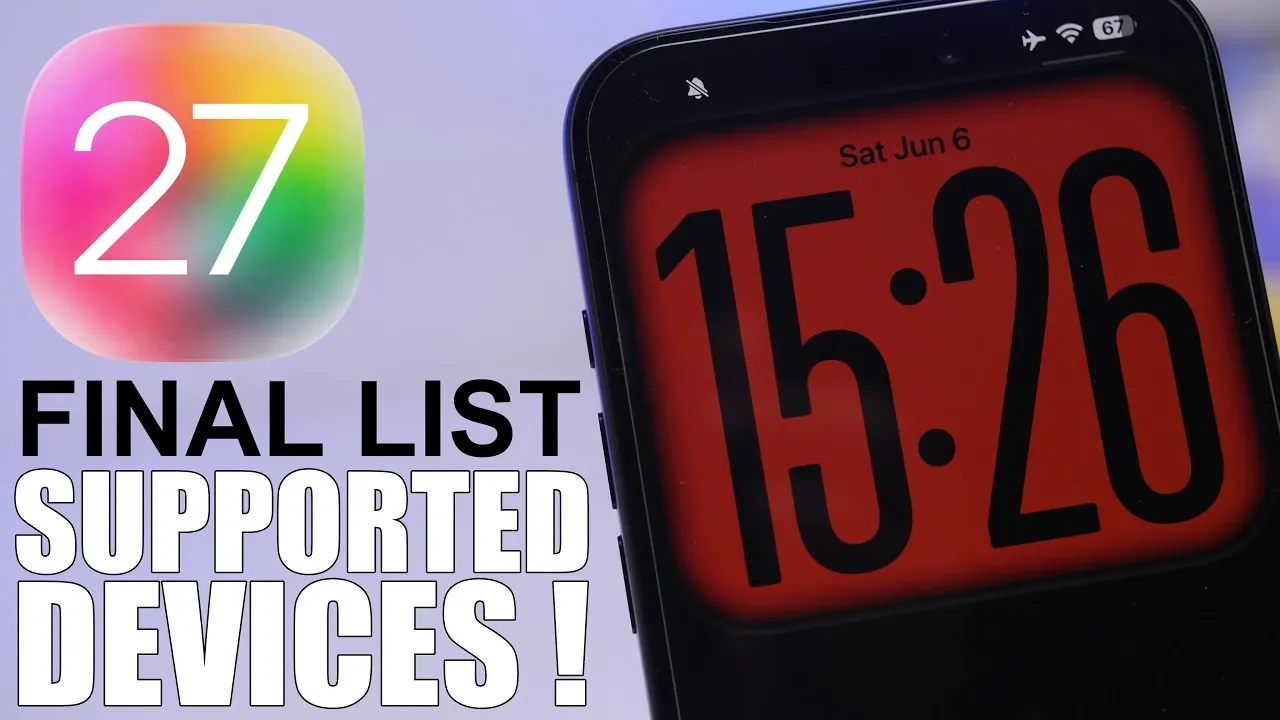
Apple’s highly anticipated iOS 27 update is set to bring a fresh wave of enhancements to the mobile operating system landscape. Scheduled for its first beta release on June 8, 2026, this update introduces a host of new features and performance improvements. However, it also narrows the range of supported devices, signaling a shift in Apple’s approach to compatibility. If you own an older iPhone, particularly one equipped with an A13 processor, this update could mark a turning point in your device’s lifecycle, the video below from iReviews gives us more information.

Which Devices Are Expected to be Supported?
With iOS 27, Apple has apparently made a decisive move to discontinue support for devices powered by the A13 Bionic processor. As a result, the following models will no longer be eligible for the update:
- iPhone 11
- iPhone 11 Pro
- iPhone 11 Pro Max
- iPhone SE (2nd generation)
These devices will remain on iOS 26, which will continue to receive limited security updates but will not benefit from new features or optimizations.
For users with newer devices, iOS 27 will be supported on the following models:
- iPhone 12, iPhone 12 mini, iPhone 12 Pro and iPhone 12 Pro Max
- iPhone SE (3rd generation)
- iPhone 13, iPhone 14, iPhone 15 and iPhone 16 series
- The latest iPhone 17 series
This shift underscores Apple’s commitment to optimizing its software for advanced hardware, making sure a smoother, faster and more capable user experience.
Why the Change in Compatibility?
Apple’s decision to narrow the list of supported devices reflects its focus on performance and innovation. By concentrating on newer hardware, Apple can fully use the capabilities of advanced processors like the A14 and beyond. These processors offer significantly improved speed, efficiency and support for innovative features that older devices cannot handle effectively.
For instance, the iPhone 17 series is expected to showcase exclusive features designed to take advantage of its state-of-the-art hardware. While Apple has not yet disclosed specific details, this approach highlights its dedication to pushing technological boundaries while maintaining a seamless user experience. By phasing out older devices, Apple ensures that its software ecosystem remains forward-looking and optimized for the demands of modern technology.
What’s New in iOS 27?
iOS 27 introduces a range of enhancements aimed at improving performance and usability. Key areas of focus include:
- Enhanced performance with faster processing speeds and improved responsiveness
- Advanced integration of features tailored to modern devices, such as improved AI-driven functionalities and augmented reality capabilities
- Streamlined software designed to maximize the potential of newer hardware
These updates are expected to deliver a more efficient and intuitive operating system, particularly for users of the latest iPhone models. However, this progress comes at the cost of excluding older devices, which lack the hardware to support these advancements effectively.
Beta Release: What to Expect
The first beta version of iOS 27 will be available starting June 8, 2026. This release provides developers and early adopters with an opportunity to explore the new features and offer feedback to Apple. If you are considering testing the beta, it is essential to keep the following points in mind:
- Verify that your device is compatible with iOS 27 before proceeding.
- Back up your data to ensure you can restore it in case of any issues during the beta testing process.
- Install the beta on a secondary device if possible, as early versions often contain bugs and stability issues that could disrupt daily use.
The beta phase is a critical step in refining the software, allowing Apple to address any issues and ensure that the final release is polished and reliable for all users.
What Does This Mean for You?
If you own an iPhone 11 series or iPhone SE (2nd generation), the release of iOS 27 marks a significant moment. While your device will remain functional on iOS 26, it will no longer receive the latest features, optimizations, or major updates. This may be an opportune time to consider upgrading to a newer model, such as the iPhone 12 series or later, to stay aligned with Apple’s evolving software ecosystem.
For users with compatible devices, iOS 27 promises a range of benefits, including improved performance, enhanced features and a more seamless user experience. This update reflects Apple’s ongoing efforts to align its software with the capabilities of modern hardware, making sure that users can take full advantage of their devices.
Looking Ahead
The release of iOS 27 represents a pivotal step in the evolution of Apple’s mobile operating system. By focusing on newer devices and phasing out support for older models, Apple is paving the way for a more streamlined, innovative and efficient future. Whether you are exploring the beta release or planning your next device upgrade, staying informed about these changes will help you make the most of Apple’s dynamic ecosystem.
Browse through more resources below from our in-depth content covering more areas on iOS 27.
- iOS 27 Leaks Reveal the End of an Era: Apple’s New Priorities Confirmed
- iOS 27 Could Be Apple’s ‘Snow Leopard’ Moment—Focusing on One Huge Change
- The iOS 27 Compatibility Shock: Every iPhone That Will (and Won’t) Get the 2026 Update
- Apple Just Gave Us Our First Look at iOS 27—and It Changes Siri Forever
- First Look at the iOS 27 Siri Redesign Before WWDC 2026
- Apple Just Changed Everything: iOS 27 Rewrites the Rules for AirPods and AirPlay
Source & Image Credit: iReviews
Disclosure: Some of our articles include affiliate links. If you buy something through one of these links, Geeky Gadgets may earn an affiliate commission. Learn about our Disclosure Policy.
