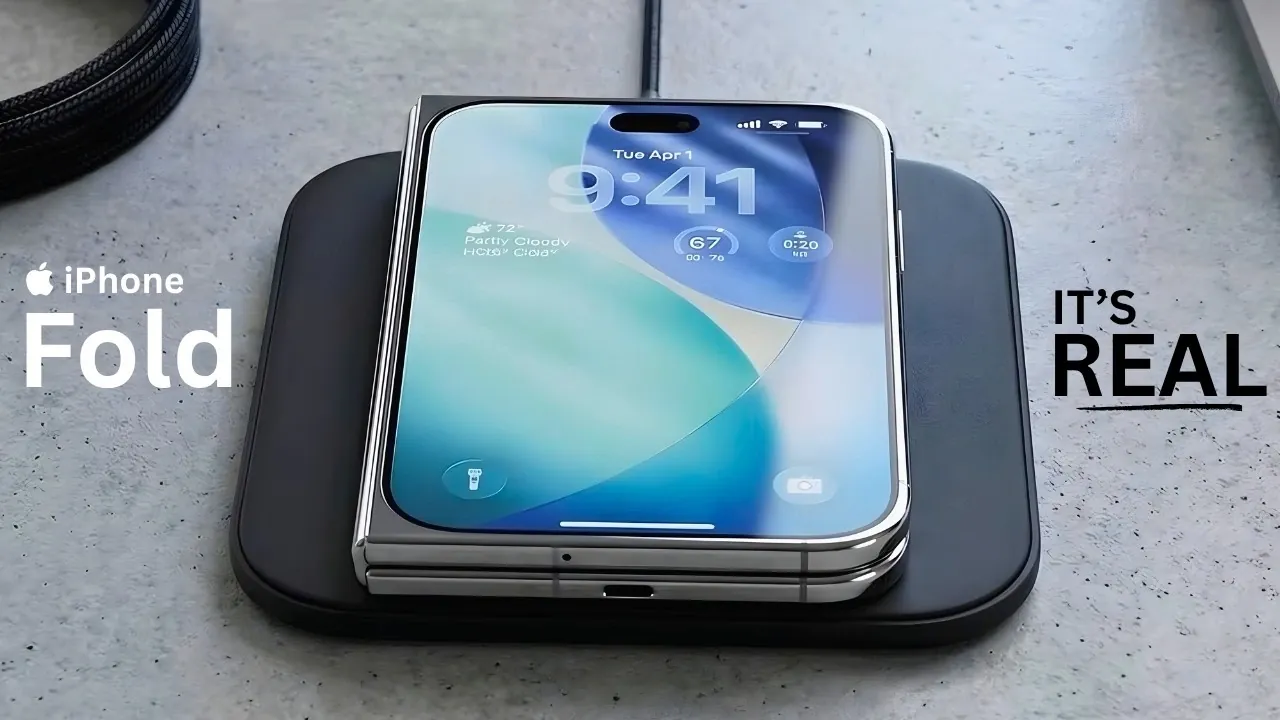
Apple is reportedly preparing to make its debut in the foldable smartphone market with the highly anticipated iPhone Fold. Currently in the trial production phase, this device has the potential to reshape the foldable technology landscape. Known for its meticulous attention to detail and innovation, Apple is expected to deliver a product that combines innovative design with the reliability and performance its users demand. If launched successfully, the iPhone Fold could challenge established players like Samsung and Google, marking a significant milestone in the evolution of foldable devices.

Design: A Blend of Elegance and Functionality
The iPhone Fold is designed to be both compact and versatile, embodying Apple’s signature focus on user-centric design. When folded, it fits conveniently into your pocket, offering the portability of a standard smartphone. When unfolded, it transforms into a larger, tablet-like device, ideal for multitasking, media consumption and productivity. This dual-purpose design positions the iPhone Fold as a practical yet sophisticated option in the foldable market.
Key design features include:
- Rounded edges for a sleek and modern aesthetic.
- Durable hinge mechanism designed for smooth and reliable operation.
- Ultra-slim profile that balances portability with functionality.
Unlike the taller, narrower design of the Samsung Galaxy Z Fold 7, the iPhone Fold adopts a shorter and wider form factor, similar to the Google Pixel Fold. This design choice enhances usability, making it more comfortable for tasks like typing, browsing, and viewing content. When unfolded, the device reportedly offers an experience comparable to using an iPad Mini, providing a seamless blend of smartphone convenience and tablet versatility.
Competition and Differentiation
Apple’s entry into the foldable market comes at a time when competitors like Samsung and Google have already established themselves with multiple iterations of foldable devices. Samsung’s Galaxy Z Fold series emphasizes a book-like design, while Google’s Pixel Fold focuses on a compact, wider form factor. The iPhone Fold aims to strike a balance between these approaches, offering a design that feels natural in both folded and unfolded states.
Despite the competition, Apple’s reputation for delivering premium products could give it an edge. The iPhone Fold’s success will depend on its ability to differentiate itself through superior build quality, innovative features and seamless integration with Apple’s ecosystem. However, the company faces the challenge of meeting the high expectations of its loyal user base while competing with brands that have years of experience in the foldable market.
Production Timeline and Anticipated Release
The iPhone Fold is currently undergoing trial production, a critical phase in refining its design and manufacturing processes. While initial reports suggested an announcement in September 2026 alongside the iPhone 18 Pro lineup, potential delays could push the release to late 2026 or early 2027. Apple’s cautious approach reflects its commitment to quality assurance, making sure the device meets its high standards before reaching consumers.
This strategy is consistent with Apple’s history of prioritizing quality over speed. For instance, the iPhone X faced similar delays but ultimately set a new standard for smartphone design and functionality. By taking the time to perfect the iPhone Fold, Apple aims to deliver a polished product that lives up to its reputation for excellence.
Overcoming Challenges in Foldable Technology
Foldable smartphones present unique technical challenges and Apple’s entry into this market is no exception. Key hurdles include:
- Hinge durability to withstand frequent folding and unfolding without compromising performance.
- Screen longevity, particularly in preventing creases, scratches, or other forms of wear over time.
- Overall reliability to meet the high standards associated with Apple products.
Additionally, Apple must address consumer expectations shaped by years of innovation from competitors. To succeed, the iPhone Fold must not only overcome these technical challenges but also offer a unique value proposition that sets it apart in a crowded market.
What the iPhone Fold Means for Consumers
For consumers, the iPhone Fold represents an exciting development in smartphone technology. Its compact design, innovative hinge mechanism and wider form factor offer a fresh perspective on foldable devices. Whether you’re an Apple loyalist or simply intrigued by the possibilities of foldable technology, this device could provide a compelling reason to explore this emerging trend.
However, patience may be required. Potential delays in the iPhone Fold’s release could test the eagerness of those looking forward to Apple’s take on foldable innovation. Additionally, its success will depend on how well it balances advanced features with practical usability, making sure it meets the needs of a diverse user base.
If Apple delivers on its promises, the iPhone Fold could set a new benchmark for foldable smartphones. Its combination of sleek design, robust functionality and seamless integration with Apple’s ecosystem has the potential to redefine what consumers expect from foldable devices. As the foldable market continues to evolve, the iPhone Fold is undoubtedly a product to watch closely.
Explore further guides and articles from our vast library that you may find relevant to your interests in iPhone Fold.
- Apple’s iPhone Fold: Everything We Know So Far
- Iphone Fold Leak: 8-inch Display and a $2,500 Price Point
- Apple’s 2026 iPhone Lineup: iPhone Fold and 18 Pro Details
- iPhone Fold Rumors: What to Expect from Apple’s First Foldable
- iPhone Fold: 7.8-Inch Screen & Galaxy Z Fold 8 Comparison
Source & Image Credit: Talks Daily Tech
Disclosure: Some of our articles include affiliate links. If you buy something through one of these links, Geeky Gadgets may earn an affiliate commission. Learn about our Disclosure Policy.
