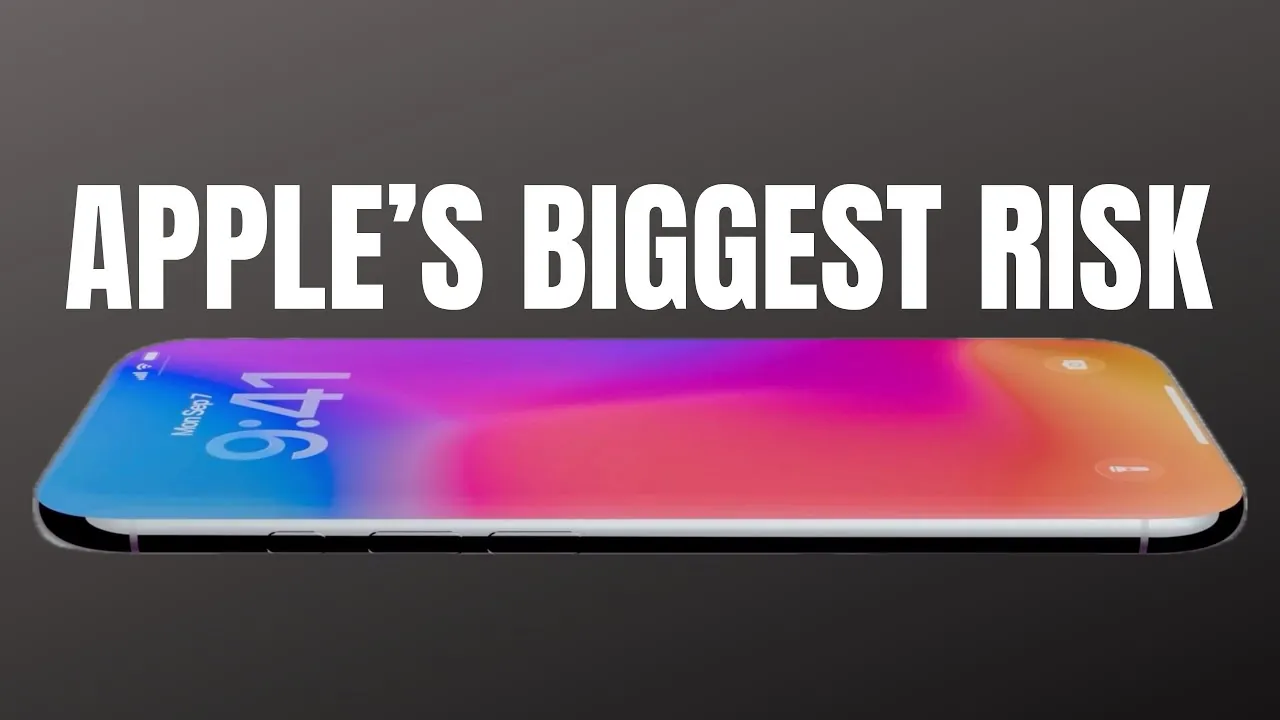
The iPhone 20, anticipated to launch in September 2027, is poised to commemorate Apple’s 20th anniversary in the smartphone market. This milestone device is rumored to introduce a suite of innovative features, including a seamless edge-to-edge display, under-display Face ID, and a front-facing camera. These advancements aim to push the boundaries of smartphone design, blending state-of-the-art technology with Apple’s signature craftsmanship. However, the expected premium price tag and potential usability challenges may ignite discussions among consumers and industry experts, highlighting the balance between innovation and practicality. The video below from SaranByte gives us more details about the iPhone 20.

Transforming Design: A Seamless Edge-to-Edge Display
The iPhone 20 is speculated to feature a truly edge-to-edge display, eliminating bezels, notches, and cutouts to deliver an uninterrupted visual experience. This design is expected to incorporate curved glass, reminiscent of the Apple Watch and earlier Samsung edge displays, resulting in a sleek and futuristic aesthetic. A narrow titanium frame may provide structural integrity, combining durability with minimalist elegance.
While this design promises a visually stunning device, it introduces practical concerns. Curved glass, though striking, is often more susceptible to damage, and the absence of physical borders may challenge usability, particularly for tasks requiring precise touch inputs. Apple’s ability to address these issues through advanced engineering and software solutions will likely determine the success of this design innovation.
Under-Display Technology: A Leap Forward
Apple is reportedly working on integrating both Face ID and the front-facing camera beneath the display, marking a significant step forward in under-display technology. This approach aims to deliver a fully immersive screen experience without sacrificing functionality. The under-display camera is rumored to feature a 24-megapixel sensor, enhanced by improved light transmittance to ensure high-quality images and videos.
This technological advancement tackles longstanding challenges, such as maintaining image clarity and sensor performance when placed beneath the screen. If Apple successfully implements this feature, it could set a new benchmark for smartphone design, further solidifying its leadership in the industry. Such innovations may also pave the way for other manufacturers to adopt similar technologies, raising the bar for the entire market.
Premium Materials: Form Meets Function
The iPhone 20 is expected to showcase Apple’s dedication to premium craftsmanship, with titanium likely being the material of choice for its frame. Titanium offers superior durability and a refined aesthetic, complementing the device’s glass sandwich design. This choice reflects Apple’s ongoing commitment to combining form and function in its flagship products.
However, the use of high-end materials may come with trade-offs. Curved glass and titanium, while visually appealing, could increase the device’s vulnerability to accidental damage. This may necessitate the development of redesigned accessories, such as cases and screen protectors, to ensure adequate protection. Additionally, the premium materials may contribute to the device’s higher price point, raising questions about its accessibility to a broader audience.
Enhanced Usability: Advanced Haptics and Touch Rejection
To address potential usability challenges posed by the curved glass design, Apple is rumored to be developing advanced haptic feedback and touch rejection technologies. These systems aim to minimize accidental touches while enhancing the overall user experience. By refining these features, Apple seeks to ensure that the iPhone 20 is not only visually impressive but also practical for everyday use.
The implementation of these technologies could also improve the device’s responsiveness, making interactions feel more intuitive and seamless. This focus on usability underscores Apple’s commitment to delivering a product that balances innovation with functionality, making sure that the device appeals to both tech enthusiasts and everyday users.
Pricing: A Premium Device at a Premium Cost
The iPhone 20 is expected to start at $1,499, reflecting its advanced features and premium materials. While this price aligns with Apple’s high-end positioning, it raises questions about market accessibility. As smartphone designs become increasingly uniform, convincing users to upgrade may prove challenging, particularly given the slowing pace of innovation in recent years.
Apple’s pricing strategy will likely target its loyal customer base, who value innovative technology and premium design. However, the company may face competition from other manufacturers offering similar features at lower price points. Balancing exclusivity with broader market appeal will be crucial in determining the iPhone 20’s commercial success.
Future Innovations: Foldable Phones on the Horizon?
Speculation continues to grow about Apple’s potential entry into the foldable device market. While no concrete details have emerged, the iPhone 20’s design could serve as a precursor to more radical form factors in the future. The decision to skip the iPhone 19 and align the 20th-anniversary model with the iPhone 20 name reflects a strategic branding move, emphasizing its significance in Apple’s product lineup.
This approach not only highlights the importance of the iPhone 20 but also sets the stage for future innovations. As the smartphone market evolves, Apple’s ability to anticipate and respond to emerging trends, such as foldable displays, will play a critical role in maintaining its competitive edge.
Release Timeline: Staying on Schedule
The iPhone 20 is expected to debut in September 2027, consistent with Apple’s annual release cycle. This timeline ensures maximum attention during its unveiling, as the company continues its tradition of generating excitement around its flagship devices. By adhering to this schedule, Apple reinforces its reputation for reliability and consistency, key factors in maintaining customer trust and loyalty.
The September launch also positions the iPhone 20 to capitalize on the holiday shopping season, a critical period for consumer electronics sales. This strategic timing underscores Apple’s focus on maximizing the device’s impact in the market, making sure it receives the attention it deserves as a milestone product.
A Milestone in Smartphone Evolution
The iPhone 20 represents a bold step forward in Apple’s design and engineering journey. With its seamless edge-to-edge display, under-display technology, and premium materials, the device aims to celebrate Apple’s legacy while setting new standards for the future of smartphones. However, its success will depend on how well Apple balances innovation with practicality, addressing potential challenges in usability and market accessibility.
If the rumors hold true, the iPhone 20 could redefine expectations for high-end smartphones, much like the iPhone X did a decade earlier. As Apple continues to push the boundaries of what is possible, the iPhone 20 stands as a testament to the company’s commitment to innovation, craftsmanship, and user experience.
Browse through more resources below from our in-depth content covering more areas on iPhone 20 design.
- iPhone 20 Leaks: Design, Features, and Release Insights
- iPhone 20 Design and Features: Everything We Know So Far
- iPhone 20: Apple’s 20th Anniversary Redesign is NOT What You
- iPhone 20 Leaks: 3D Glass Display, Under-Display Tech & More
- iPhone 20 Leaks: Top Features That Could Change Smartphones
Source & Image Credit: SaranByte
Disclosure: Some of our articles include affiliate links. If you buy something through one of these links, Geeky Gadgets may earn an affiliate commission. Learn about our Disclosure Policy.
