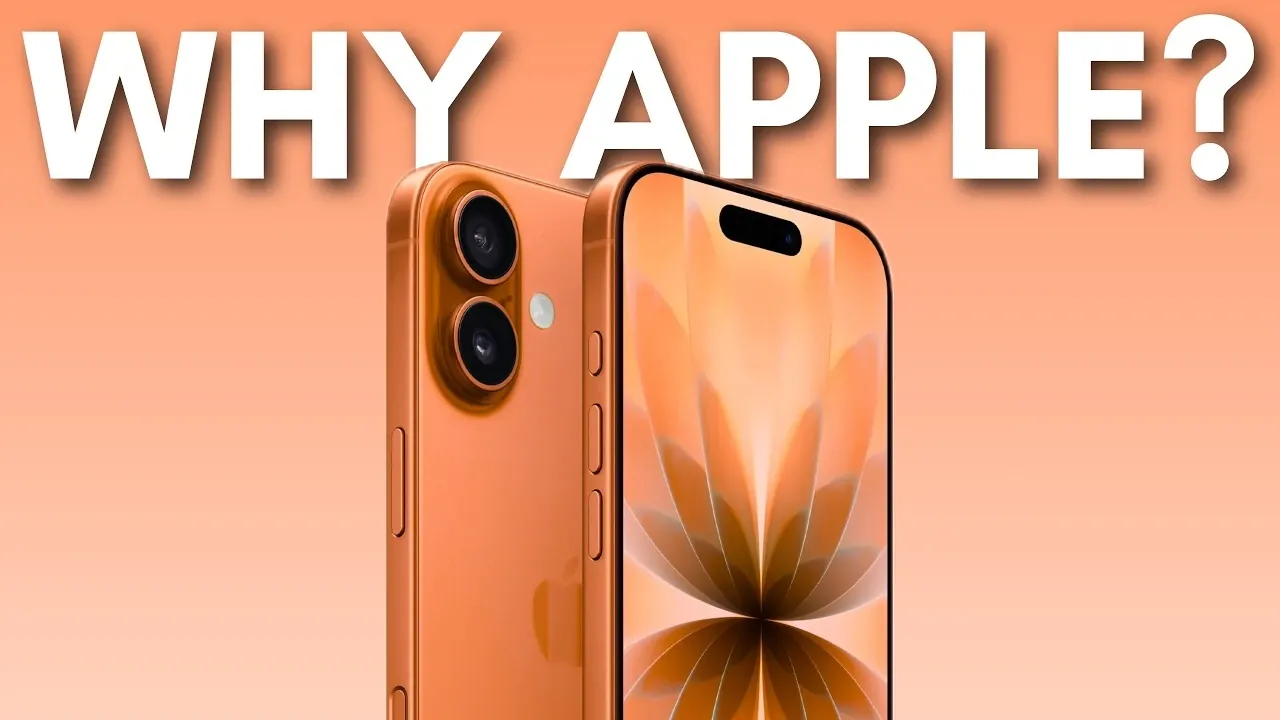
Apple’s upcoming iPhone 18 lineup signals a pivotal change in the company’s product strategy, though not necessarily in a way that will excite every user. While the spotlight is firmly on the Pro models and the much-anticipated foldable innovations, the standard iPhone 18 seems to be taking a backseat. With cost-cutting measures and a staggered release schedule, Apple appears to be reshaping the value proposition of its base model. For many users, this could raise questions about whether the standard iPhone 18 is worth the upgrade.

Cost-Cutting Measures: What You Need to Know
Apple’s approach with the iPhone 18 appears to prioritize cost efficiency over bold innovation. The base model is rumored to feature the A20 chipset, built on an innovative 2-nanometer process. However, this version of the chip may include fewer cores compared to its Pro counterpart, potentially limiting its performance capabilities. While the inclusion of LPDDR5X RAM offers improved efficiency, it may not result in a noticeable speed boost for everyday users.
These decisions suggest a deliberate effort to reduce production costs, aligning the iPhone 18 more closely with the entry-level iPhone 18E. For you, this could mean fewer standout features in the standard model, making it a less compelling choice unless you’re upgrading from a significantly older device. The focus on cost-cutting may leave some users feeling that the base model lacks the premium appeal traditionally associated with Apple’s products.
Refinements, Not Revolutions
If you’re expecting new changes, the iPhone 18 may not meet those expectations. Instead of introducing innovative advancements, Apple seems to be focusing on refining existing features. Key updates include:
- A slightly smaller Dynamic Island, offering a minor aesthetic improvement but no significant change to the user experience.
- New color customization options, which add variety but do little to enhance functionality.
- Battery efficiency improvements, enabled by the 2-nanometer chip process and the inclusion of the C2 modem for better connectivity. These are practical upgrades but unlikely to feel fantastic for most users.
While these refinements may appeal to users upgrading from older devices, they are unlikely to generate excitement among those who expect significant annual advancements. The focus on incremental improvements rather than bold innovations may leave some users questioning whether the iPhone 18 is worth the investment.
Staggered Release Strategy: A New Approach
Apple is also introducing a staggered release schedule, further differentiating its product tiers. The Pro models, including the highly anticipated foldable iPhone Ultra, are expected to launch in autumn 2026. In contrast, the standard iPhone 18, along with the 18E and Air 2, is slated for a spring 2027 release.
This staggered timeline underscores the growing divide between the Pro and base tiers. For you, this means that if you’re eager to own the latest technology as soon as possible, you may feel nudged toward the higher-end models. The delayed release of the standard iPhone 18 could make it less appealing to those who prioritize being at the forefront of Apple’s product lineup.
Market Positioning: A Blurred Middle Ground
The narrowing gap between the iPhone 18 and the 18E raises questions about the value proposition of the base model. By aligning these models more closely in terms of price and features, Apple risks making the standard iPhone 18 less distinctive. For you, this could mean fewer reasons to choose the base model as a middle-ground option. Instead, Apple may be steering you toward the Pro lineup, which promises more substantial upgrades and earlier availability.
This strategy could help Apple maintain clear tier differentiation, but it also introduces potential risks. If the base iPhone 18 fails to stand out, it could impact overall sales and leave some consumers dissatisfied, particularly those who upgrade annually. The blurred lines between the base and entry-level models may also create confusion for users trying to determine which device best meets their needs.
What It Means for You
For users upgrading from older iPhones, the iPhone 18’s improvements in battery life, connectivity, and efficiency may still offer a worthwhile experience. However, if you’re someone who looks forward to significant annual upgrades, the base model may feel underwhelming. The Pro models, with their earlier release and likely more advanced features, could be a better fit if you’re seeking innovative technology.
Apple’s decision to focus on cost-cutting and incremental improvements in the base model reflects a broader shift in its product strategy. For you, this means carefully evaluating whether the iPhone 18’s updates align with your expectations and needs. If you’re seeking a device that offers substantial advancements, the Pro lineup may be the more compelling option.
Strategic Risks and Your Decision
Apple’s strategy of blurring the lines between the iPhone 18 and 18E introduces both opportunities and challenges. While this approach may push more consumers toward the Pro models, it also risks diluting the perceived value of the base iPhone 18. For you, this means weighing the cost of upgrading against the incremental benefits the new model offers.
The staggered release schedule further complicates the decision-making process. If you’re eager to own the latest technology, the delayed availability of the standard iPhone 18 may make the Pro models more appealing. However, if you’re upgrading from an older device and prioritize affordability, the iPhone 18 could still be a practical choice, despite its more modest updates.
Ultimately, the iPhone 18 represents a shift in Apple’s approach to product differentiation and market positioning. While cost-cutting measures and refinements may make the base model more accessible, they also risk making it less compelling for users seeking significant upgrades. As Apple continues to emphasize its Pro lineup and foldable innovations, your decision to upgrade will likely depend on how much you value innovative features versus incremental improvements.
Source & Image Credit: SaranByte
Disclosure: Some of our articles include affiliate links. If you buy something through one of these links, Geeky Gadgets may earn an affiliate commission. Learn about our Disclosure Policy.
