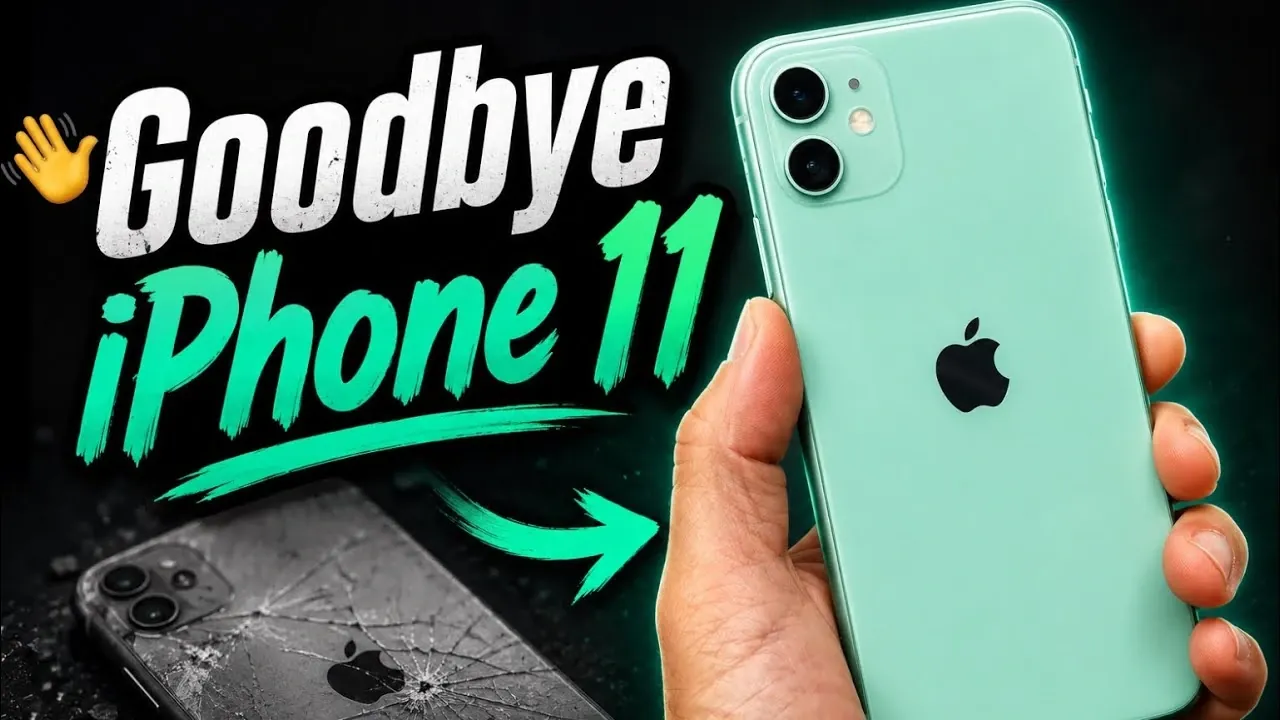
The iPhone 11, unveiled in September 2019, is nearing the conclusion of its software support lifecycle. With Apple expected to release iOS 27 in September 2026, this device will likely lose compatibility with the latest operating system. This transition marks a pivotal moment for a smartphone that has been a cornerstone of Apple’s lineup for nearly seven years. Despite its impending shift into legacy status, the iPhone 11 continues to stand as a testament to Apple’s engineering and design, offering a dependable user experience that has endured through years of technological evolution. The video below from iDeviceHelp gives us more details.
How Long Does Apple Support Its Devices?
Apple is renowned for its commitment to long-term software support, typically offering updates for its iPhones over a span of five to six years. The iPhone 11 has exceeded this benchmark, receiving updates well into its seventh year. However, with the anticipated release of iOS 27, the device is expected to be phased out of compatibility. This approach aligns with Apple’s historical strategy of retiring older devices to accommodate the increasing demands of newer, more advanced software.
Even after losing access to major iOS updates, the iPhone 11 is likely to continue receiving security patches for iOS 26. These updates will ensure the device remains secure for users who choose to retain it, offering peace of mind for those not yet ready to upgrade. This extended support reflects Apple’s dedication to maintaining user trust and device longevity.
What Made the iPhone 11 Stand Out?
The iPhone 11 introduced several hardware and software innovations that were new at the time of its release. These features not only defined the device but also set new standards for the smartphone industry:
- A13 Bionic Chip: The A13 Bionic processor delivered exceptional performance and energy efficiency, allowing advanced AI capabilities, seamless multitasking and smooth operation across a wide range of applications. It was a key factor in the device’s long-term usability.
- Dual-Camera System: The iPhone 11 brought ultra-wide photography and night mode into the mainstream, transforming smartphone photography. These features allowed users to capture high-quality images in diverse lighting conditions, from expansive landscapes to low-light environments.
- Enhanced Audio: With spatial audio and Dolby Atmos support, the iPhone 11 elevated the multimedia experience. These features provided immersive sound quality for movies, music and other forms of entertainment, making the device a versatile tool for content consumption.
While these features were innovative in 2019, the rapid pace of technological advancements has introduced new challenges. The A13 Bionic chip, though still capable, may struggle to keep up with the demands of future software, particularly in areas like AI-driven applications and augmented reality. As a result, the iPhone 11’s hardware, while reliable, may not fully support the innovations of upcoming iOS versions.
How Does the iPhone 11 Perform on iOS 26?
Even on iOS 26, the iPhone 11 continues to deliver a smooth and reliable user experience. Everyday tasks such as browsing, streaming and app usage run seamlessly, showcasing the durability of Apple’s hardware-software integration. Minor performance hiccups, such as occasional choppiness in low power mode, may occur but are infrequent and do not significantly impact overall usability.
This sustained performance highlights the strength of Apple’s design philosophy, which prioritizes long-term reliability alongside innovation. For users who value stability and functionality over access to the latest features, the iPhone 11 remains a strong contender. Its ability to meet everyday needs underscores its relevance, even as it transitions into legacy status.
What’s Next for iPhone 11 Users?
As Apple prepares to launch iOS 27, the focus is expected to shift toward advancements in artificial intelligence, machine learning and other innovative technologies. These innovations will likely require hardware capabilities beyond what the iPhone 11 can offer, further solidifying its position as a legacy device. For users, this raises an important question: is it time to upgrade?
The decision to move on from the iPhone 11 ultimately depends on individual priorities and usage patterns. If you value access to the latest features, enhanced performance and compatibility with emerging technologies, upgrading to a newer model may be the right choice. Apple’s current lineup offers devices with significantly improved hardware, including faster processors, advanced camera systems and longer battery life.
However, if your iPhone 11 continues to meet your needs and you are satisfied with its performance, there is no immediate urgency to replace it. The device remains capable of handling most everyday tasks and its continued security updates for iOS 26 ensure that it remains a safe and functional option for the foreseeable future.
A Legacy That Endures
The iPhone 11’s lifecycle is a reflection of Apple’s dedication to long-term support and innovation. As it approaches the end of its journey, the device remains a reliable and capable smartphone, embodying the technological advancements that defined its era. Whether you choose to upgrade to a newer model or continue using your iPhone 11, its legacy as a new device is undeniable. It stands as a reminder of how thoughtful design and engineering can create products that endure, even in the face of rapid technological progress.
Unlock more potential in iPhone 11 by reading previous articles we have written.
- Is Your iPhone Getting iOS 27? Check the Final Support List
- Is Your iPhone on the List? iOS 27 Could Cut Off These Popular Models
- The Real Reason Apple is Dropping Older iPhones in iOS 27
- iOS 27: Apple is finally hitting the ‘reset’ button for a Snow Leopard-style fix
- The iOS 27 Compatibility Shock: Every iPhone That Will (and Won’t) Get the 2026 Update
- iOS 26.4.2 vs. 26.5 RC: Should You Update Now or Wait for Next Week’s Release?
Source & Image Credit: iDeviceHelp
Disclosure: Some of our articles include affiliate links. If you buy something through one of these links, Geeky Gadgets may earn an affiliate commission. Learn about our Disclosure Policy.
