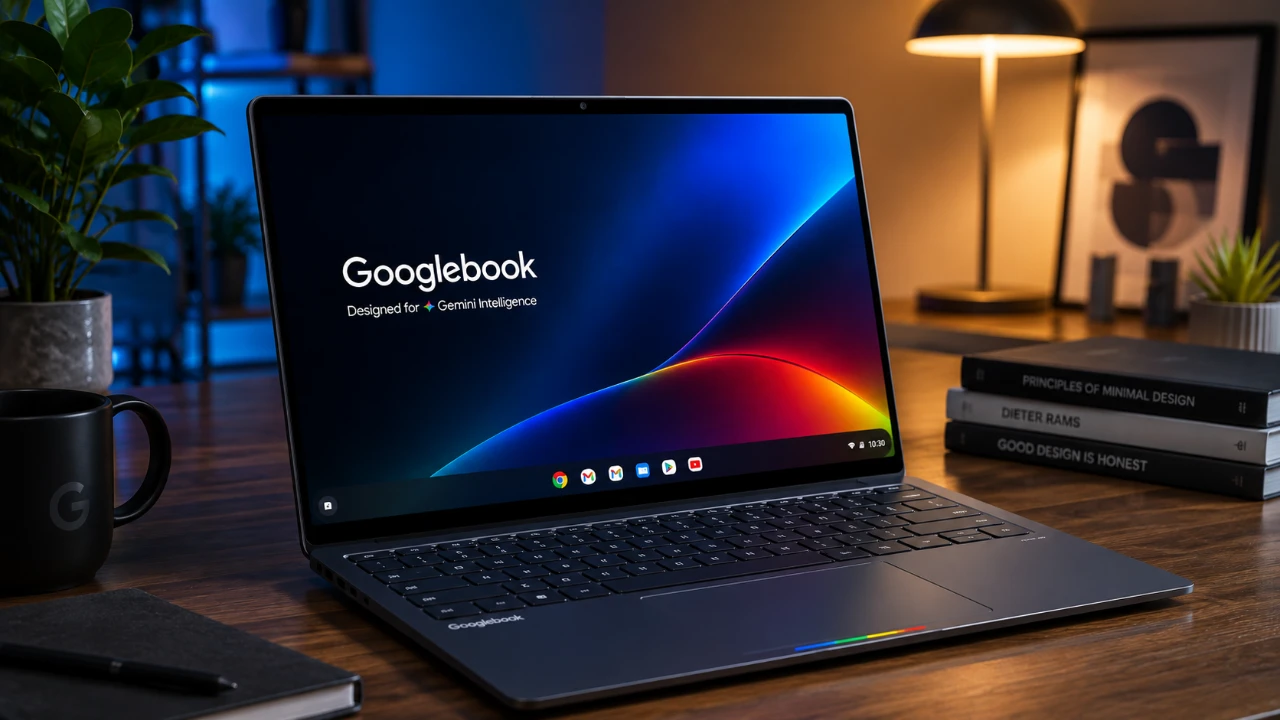
Google’s initiative to launch Android-powered laptops, branded as “Googlebooks,” is transitioning from speculation to reality. Recent leaks confirm a diverse lineup of devices from major manufacturers such as Lenovo, Asus, HP, and Dell. These laptops aim to bridge the gap between Chromebooks and traditional laptops by offering enhanced hardware, AI-driven features, and the potential to support desktop-grade applications. However, the success of Google Books will depend on overcoming challenges like a limited app ecosystem and intense competition from established players, including Apple’s MacBook Air and Windows laptops. The video below from XDA gives us more details on the new Googlebooks.

Lenovo Google Books: A Blend of Versatility and Innovation
Lenovo is taking a leading role in the Google Books initiative with three distinct models, including two traditional laptops and a convertible 2-in-1 device. Among these, the Lenovo Google Book 15 stands out with its 15.3-inch display, Intel Core Ultra 5 325 processor, 16GB of RAM, and Dolby Atmos audio. The inclusion of Android-specific navigation keys highlights its focus on optimizing the Android experience for laptop users.
For those seeking greater flexibility, the Lenovo Google Book Duet offers a 13-inch OLED display, MediaTek Companio Ultra 910 chip, and Immortalis G925 GPU. Its magnetic keyboard and stylus support make it particularly appealing to creative professionals and multitaskers. These devices underscore Lenovo’s commitment to delivering a balance of performance and adaptability, catering to a wide range of user needs.
Asus Google Books: Premium Design Meets High Performance
Asus is introducing two models that emphasize premium build quality and advanced specifications, targeting both high-end and mid-tier users:
- The Asus Google Book CX9406 features a lightweight ceramic alloy chassis, Intel Core Ultra 5 and 7 processors and configurations with up to 64GB of RAM. This makes it an attractive option for users who demand high performance in a portable form factor.
- The Asus Google Book 14 is designed for mid-tier users, offering a 14-inch 2.8K 120Hz display and Panther Lake processors. While less powerful than the CX9406, it strikes a balance between performance and affordability, appealing to a broader audience.
These models reflect Asus’s focus on delivering a premium user experience while catering to different market segments.
HP and Dell Join the Android Laptop Movement
HP and Dell are also contributing to the growing Android laptop ecosystem, bringing their expertise to the Google Books lineup:
- The HP Google 14C is expected to feature Qualcomm’s Snapdragon X Elite X1E8100 processor and up to 32GB of RAM, promising efficient performance and extended battery life. This device is likely to appeal to users prioritizing portability and energy efficiency.
- Dell, renowned for its premium XPS lineup, is rumored to be developing a Google Book version of the XPS 13, potentially equipped with Snapdragon X Elite processors. This could bring Dell’s signature design and performance to the Android laptop space, offering a compelling option for professionals.
The involvement of HP and Dell highlights the growing interest among major manufacturers in Google’s Android-powered laptops, further solidifying the platform’s potential.
Software and App Support: A Critical Factor
One of the most significant factors influencing the success of Google Books will be their ability to support desktop-grade applications. Leaks suggest that popular software like Adobe Premiere Pro could be available on these devices. However, it remains uncertain whether these will be full desktop versions or scaled-down mobile adaptations. This distinction is crucial, as professionals in fields like video editing and graphic design require robust software capabilities.
If Google can ensure seamless compatibility with professional-grade applications, it could position Google Books as a viable alternative to traditional laptops. However, any limitations in app availability or functionality could hinder their appeal, particularly among power users.
Performance and Potential Limitations
The hardware across the Google Books lineup shows promise, but some models feature mid-tier processors and basic Intel graphics, which may limit their ability to handle resource-intensive tasks such as gaming or advanced video editing. Despite these limitations, the lightweight Android-based operating system, combined with efficient hardware, is expected to deliver excellent battery life. This makes these devices particularly well-suited for productivity tasks, web browsing and everyday use.
While high-end models like the Asus Google Book CX9406 cater to performance-focused users, the mid-tier options aim to strike a balance between affordability and functionality. This approach could help Google Books appeal to a broader audience, from students to professionals.
Market Challenges and Competition
The Google Books lineup faces stiff competition from established players like Apple’s MacBook Air and Windows laptops, both of which offer mature app ecosystems and comparable hardware. Pricing will be a critical factor in determining their market success. If Google can position these devices competitively, they may attract users seeking an alternative to traditional laptops.
Additionally, the integration of AI-driven features and Google’s ability to address gaps in the app ecosystem will play a pivotal role in differentiating Google Books from their competitors. The inclusion of features like voice-activated commands, real-time translation, and intelligent task management could enhance the overall user experience, making these devices more appealing to productivity-focused users.
The Road Ahead for Google Books
Google Books represents a bold step beyond Chromebooks, targeting users who demand more from their devices. By combining enhanced hardware, potential desktop app support, and AI integration, these laptops aim to carve out a unique niche in the competitive laptop market. However, their success will depend on Google’s ability to deliver a seamless user experience, competitive pricing, and a robust app ecosystem.
As the Android laptop market evolves, Google Books has the potential to redefine how users work and create on Android-powered devices. Whether they can meet the demands of professionals and everyday users alike remains uncertain, but their entry into the market signals a significant shift in Google’s hardware strategy. With the right execution, Google Books could become a compelling alternative in the ever-changing landscape of personal computing.
Enhance your knowledge on Android by exploring a selection of articles and guides on the subject.
- Why Your Android Phone Will Never Look the Same with Android 17
- Samsung’s New Smart Glasses Are Aiming Straight for Meta’s Crown
- Why Everyone is Talking About the Android 17 Update
- Why Android 17 is the Biggest Update in Recent Years
- Why Android 17 Changes Everything for Your Phone
- Google’s Android XR Glasses Translate Text and Unlock Gemini AI Navigation
Source & Image Credit: XDA
Disclosure: Some of our articles include affiliate links. If you buy something through one of these links, Geeky Gadgets may earn an affiliate commission. Learn about our Disclosure Policy.
