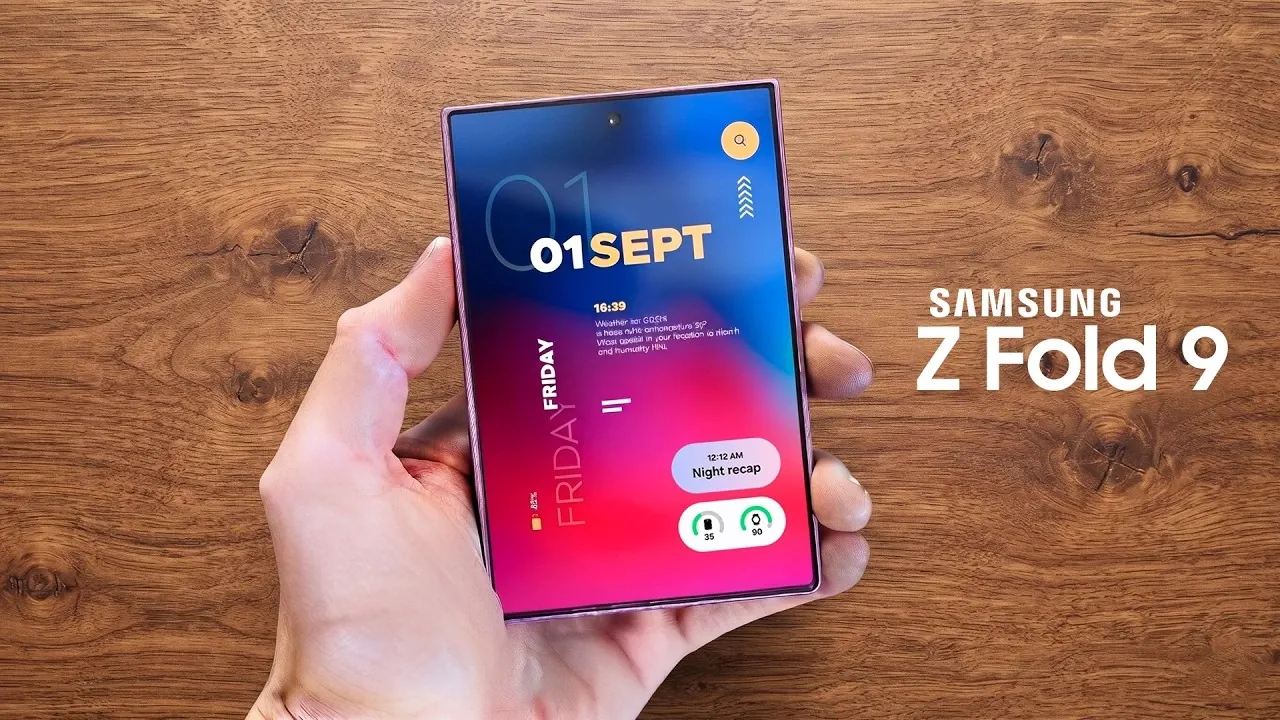
Samsung is expected to launch its Galaxy Z Fold 9 lineup in 2027, blending incremental innovation with familiar design elements. While the series introduces new models and hardware refinements, it retains a similar camera setup to its predecessor, the Z Fold 8. This decision has sparked mixed reactions, particularly among users who anticipated significant advancements in smartphone photography. However, a closer look at the broader updates and market dynamics reveals a more strategic approach behind Samsung’s latest foldable devices.
- Hardware Continuity: The standard Galaxy Z Fold 9 maintains a familiar dual-to-triple camera configuration, while the Ultra tier explores a revised 200MP primary sensor.
- Charging & Battery Boosts: Adopts faster 60W wired charging speeds and a high-density power cell layout.
- Advanced M16 Panels: Features vibrant Dynamic AMOLED 2X displays with improved peak brightness levels and minimized crease visibility.
- One UI 10 Software: Introduces tailored multitasking tools, seamless app continuity, and advanced AI capabilities.

Camera Hardware: Falling Short of Expectations
For those expecting a major, industry-wide leap in camera technology across every model, the Galaxy Z Fold 9 may feel underwhelming. While the Ultra variant looks poised to incorporate an updated 200-megapixel primary sensor alongside a 3x telephoto lens, the standard Fold 9 model sticks closer to its predecessor’s hardware blueprint.
This cautious approach to camera innovation stands out, especially for a premium device category aiming to lead the foldable market. While the Fold 9 excels in structural design and raw processing power, its conservative optics configuration highlights Samsung’s segmentation strategy, pushing photography enthusiasts exclusively toward the higher-priced Ultra tier.
Expanding the Foldable Lineup
Samsung has expanded its foldable portfolio alongside the Galaxy Z Fold 9 lineup, introducing new options designed to cater to a wider range of user preferences. Among these is a wider variant, appealing to those who prioritize an expansive cover screen experience for daily productivity or media consumption. Additionally, the Z TriFold 2 makes its presence felt, pushing the physical boundaries of multi-fold device engineering.
These additions demonstrate Samsung’s willingness to experiment with alternative form factors, even as the core Fold 9 model focuses on refining existing internal hardware rather than introducing radical shape shifts. By diversifying its offerings, Samsung aims to defend its leadership in the foldable market.
Design and Hardware Upgrades
The Galaxy Z Fold 9 introduces several meaningful hardware improvements that enhance the overall user experience. One of the standout features is the addition of 60W fast charging, which significantly reduces downtime when replenishing the battery throughout a busy workday. The adoption of advanced M16 display panels further elevates the visual experience, offering sharper text rendering, deeper contrast, and higher peak brightness.
Samsung has also addressed long-standing durability criticisms. The Fold 9 features optimized ultra-thin glass properties that minimize crease prominence, making the main folding screen appear smoother. These updates reflect Samsung’s ongoing response to consumer feedback, ensuring the device remains competitive against rising ecosystem rivals.
Software Enhancements: One UI 10
On the software front, the Galaxy Z Fold 9 debuts alongside One UI 10, Samsung’s latest custom Android interface iteration. This update introduces a cleaner design that optimizes usability across both compact cover screens and fully opened tablet layouts. Key capabilities include advanced split-screen multi-window handling, allowing users to run multiple resource-heavy apps side by side without friction.
These software refinements are crucial for power users who rely on foldables for productivity. By optimizing One UI specifically for the unique physical canvas of a book-style foldable, Samsung ensures the hardware translates into tangible daily utility.
Market Dynamics: A Boost for Predecessors
Interestingly, the maturation of the foldable sector has triggered interesting shifts in consumer purchasing behavior. As competing brands test early folding concepts—such as Apple’s entry into the foldable space—buyers frequently reevaluate device stability and pricing value, occasionally driving renewed interest into established ecosystems. Samsung’s aggressive trade-in campaigns and promotional structures further cement the market viability of its broader portfolio.
Progress with Room for Growth
The Galaxy Z Fold 9 lineup represents a calculated blend of hardware refinement and strategic restraint. While conservative camera updates on the base model may leave some power users wanting more, faster charging speeds, improved panel durability, and One UI 10 software optimizations demonstrate Samsung’s commitment to polishing the core foldable experience. As competition intensifies, the Fold 9 serves as both a testament to matured engineering and a baseline for future mobile breakthroughs.
Advance your skills in Galaxy Z Fold 9 by reading more of our detailed content.
- Why the Samsung Galaxy Z Fold 9 Is Shaping Up to Be a Massive Leap
- Samsung Galaxy Z Fold 9 Leak Reveals a Massive Upgrade Nobody Saw Coming
- The Galaxy Z Fold 9 Features That Will Make Apple’s Foldable Look Outdated
- Galaxy Z Fold 9: a Highly Unprecedented Move by Samsung
- Samsung Galaxy Z Fold 9: Major Upgrades Leaked
Source & Image Credit: TechTalkTV
Disclosure: Some of our articles include affiliate links. If you buy something through one of these links, Geeky Gadgets may earn an affiliate commission. Learn about our Disclosure Policy.
