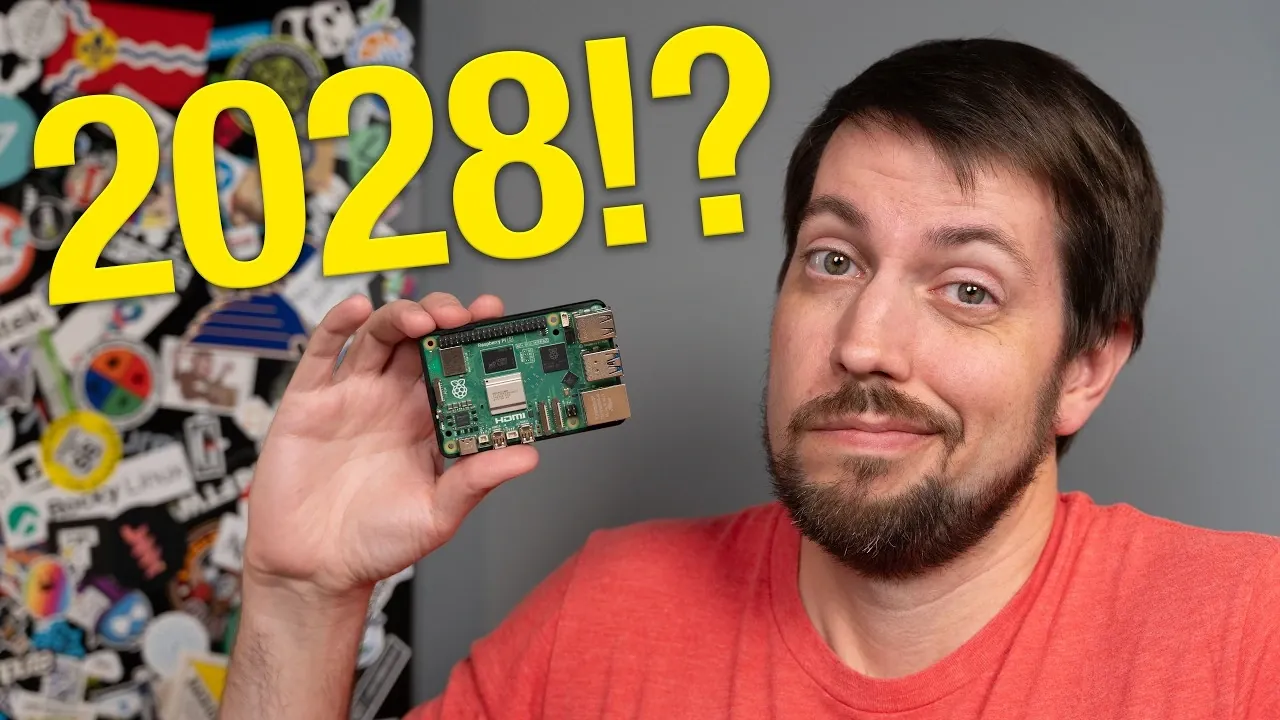
The Raspberry Pi Foundation has provided new insights into the development of the Raspberry Pi 6, offering a clearer picture of the challenges and decisions shaping its release. According to Jeff Geerling, the next-generation single-board computer has been delayed until at least early 2028, primarily due to global DRAM shortages and rising production costs. Despite these hurdles, the Foundation remains committed to its core mission of affordability and accessibility, opting to forgo features like built-in M.2 slots or AI-specific chips that could drive up costs. This approach ensures that the Raspberry Pi 6 will focus on delivering improved CPU and IO performance while staying within reach for its diverse user base.
Explore how these decisions reflect broader trends in the single-board computer market, including the balance between innovation and cost-effectiveness. You’ll also gain insight into the ongoing production challenges affecting other models like the Raspberry Pi Zero 2W, as well as the enduring popularity of legacy devices like the Raspberry Pi 3B. Additionally, this explainer highlights the Foundation’s incremental updates to its microcontrollers and software ecosystem, showcasing how these refinements support long-term usability and adaptability.
Raspberry Pi 6: Delayed but Staying True to Its Core Values
TL;DR Key Takeaways :
- The Raspberry Pi 6 release has been delayed to early 2028 due to global DRAM shortages and rising production costs, with a focus on improving CPU and IO performance while maintaining affordability.
- Production challenges persist for the Raspberry Pi Zero 2W, while the Raspberry Pi Zero 3’s development is on hold due to high costs and technical hurdles.
- The Raspberry Pi 3B remains popular for its affordability and reliability, especially in educational and industrial applications, despite being a legacy model.
- The RP2040 microcontroller has been updated for better power efficiency and security, with future iterations expected to adopt USB-C for modernization.
- Software development is a key focus, making sure robust functionality and extending the lifespan of Raspberry Pi devices, while the SBC market shifts toward cost-effective microcontroller solutions.
The Raspberry Pi 6 has been delayed, breaking the Foundation’s typical 2.75-year release cycle due to global DRAM shortages and escalating production costs. Despite these setbacks, the Raspberry Pi 6 is expected to focus on its core strengths, delivering improved CPU and IO performance. However, the Foundation has deliberately chosen not to include features like built-in M.2 slots or AI-specific chips, as these could significantly increase costs. This decision reflects the Foundation’s commitment to maintaining the affordability and accessibility that have made Raspberry Pi a household name in the SBC market.
By prioritizing performance enhancements over unnecessary complexity, the Raspberry Pi 6 aims to cater to a wide range of users, from hobbyists to professionals, while staying true to its mission of providing cost-effective computing solutions.
Raspberry Pi Zero 2W and Pi Zero 3: Navigating Production Challenges
The Raspberry Pi Zero 2W continues to face significant production challenges, primarily due to a limited supply of substrates. While the Foundation is working to expand production capacity, availability remains constrained, leaving many users waiting for stock to replenish. On the other hand, the Raspberry Pi Zero 3 is not expected to launch anytime soon. The high costs and technical hurdles associated with integrating newer RAM and PCB configurations have made its development impractical for the foreseeable future.
These challenges highlight the delicate balance the Foundation must maintain between innovation and affordability, especially in a market increasingly affected by supply chain disruptions and rising material costs.

Below are more guides on Raspberry Pi from our extensive range of articles.
- Revive Your Old Tech: Running a Local LLM on a 12-Year-Old Raspberry Pi
- Raspberry Pi 5 Local AI Assistant Gains Offline Vision, Voice & Image Generation
- RaspyJack : Tiny Raspberry Pi Zero 2W Network Toolkit for Security Testing & More
- Best 7 Raspberry Pi Desktop OS Reveiwed for 2026
- Orange Pi 5 Pro vs Raspberry Pi 5 mini PCs compared
- DeepSeek R1 Benchmarks: $80 Raspberry Pi vs $250 Jetson vs $1000 Mac
- Raspberry Pi 5 tablet using Raspad 3
- Raspberry Pi WiFi jammer project
- Raspberry Pi HDMI input board allows HD recording from almost any device
- Raspberry Pi Geiger counter radiation detector
Legacy Hardware: The Timeless Appeal of the Raspberry Pi 3B
Despite being an older model, the Raspberry Pi 3B continues to enjoy widespread popularity, with nearly a million units sold annually. Its affordability and reliability make it a preferred choice for users who don’t require the latest features. The 3B remains particularly valuable in educational and industrial applications, where cost-effectiveness and dependability are paramount.
The enduring success of the Raspberry Pi 3B underscores the ongoing demand for practical and accessible SBCs, proving that even legacy hardware can thrive in a rapidly evolving technological landscape.
Microcontroller Updates: Enhancing the RP2040
The RP2040 microcontroller has undergone a silicon revision aimed at improving power efficiency and addressing security concerns. While these updates enhance the microcontroller’s overall performance, the Foundation has chosen to retain micro USB connectivity for its Pico boards. This decision prioritizes cost efficiency and space-saving considerations, making sure that the boards remain affordable for a wide audience.
However, the adoption of USB-C is anticipated in future iterations, reflecting the Foundation’s gradual approach to modernizing its products. These updates demonstrate the Foundation’s strategy of incremental refinement, focusing on enhancing existing products rather than introducing drastic changes that could disrupt affordability.
Software: Strengthening the Raspberry Pi Ecosystem
Software development remains a cornerstone of the Raspberry Pi Foundation’s strategy. By continuously improving libraries, drivers and open source systems, the Foundation ensures that Raspberry Pi devices remain highly functional and versatile, regardless of their hardware specifications. This robust software support not only enhances usability but also extends the lifespan of Raspberry Pi products, making them a reliable choice for long-term projects.
The emphasis on software reflects the Foundation’s understanding that hardware alone is not enough; a strong ecosystem is essential for delivering a seamless user experience.
Market Trends: The Growing Role of Microcontrollers
The SBC market is undergoing a significant transformation, with microcontroller shipments projected to surpass SBC sales by 2025. This shift is driven by the growing demand for cost-effective, application-specific solutions, particularly as SBC prices continue to rise. For the Raspberry Pi Foundation, this trend underscores the importance of balancing affordability with innovation to remain competitive in an evolving market.
As microcontrollers become increasingly popular for specialized applications, the Foundation’s focus on refining products like the RP2040 positions it well to capitalize on this emerging trend. This approach ensures that Raspberry Pi remains relevant in a market where adaptability and cost-efficiency are key.
Looking Ahead: Challenges and Opportunities
The Raspberry Pi Foundation is navigating a complex landscape shaped by supply chain disruptions, rising production costs and shifting market dynamics. While the Raspberry Pi 6 remains a long-term goal, the Foundation’s focus on refining existing products and enhancing software support ensures that Raspberry Pi devices continue to meet the needs of a diverse user base.
Whether you’re a hobbyist exploring creative projects, an educator introducing students to programming, or an industry professional seeking reliable computing solutions, the Raspberry Pi ecosystem offers a range of tools to help you succeed. By staying committed to its principles of affordability, accessibility and innovation, the Foundation is well-positioned to overcome current challenges and shape the future of computing.
Media Credit: Jeff Geerling
Disclosure: Some of our articles include affiliate links. If you buy something through one of these links, Geeky Gadgets may earn an affiliate commission. Learn about our Disclosure Policy.
