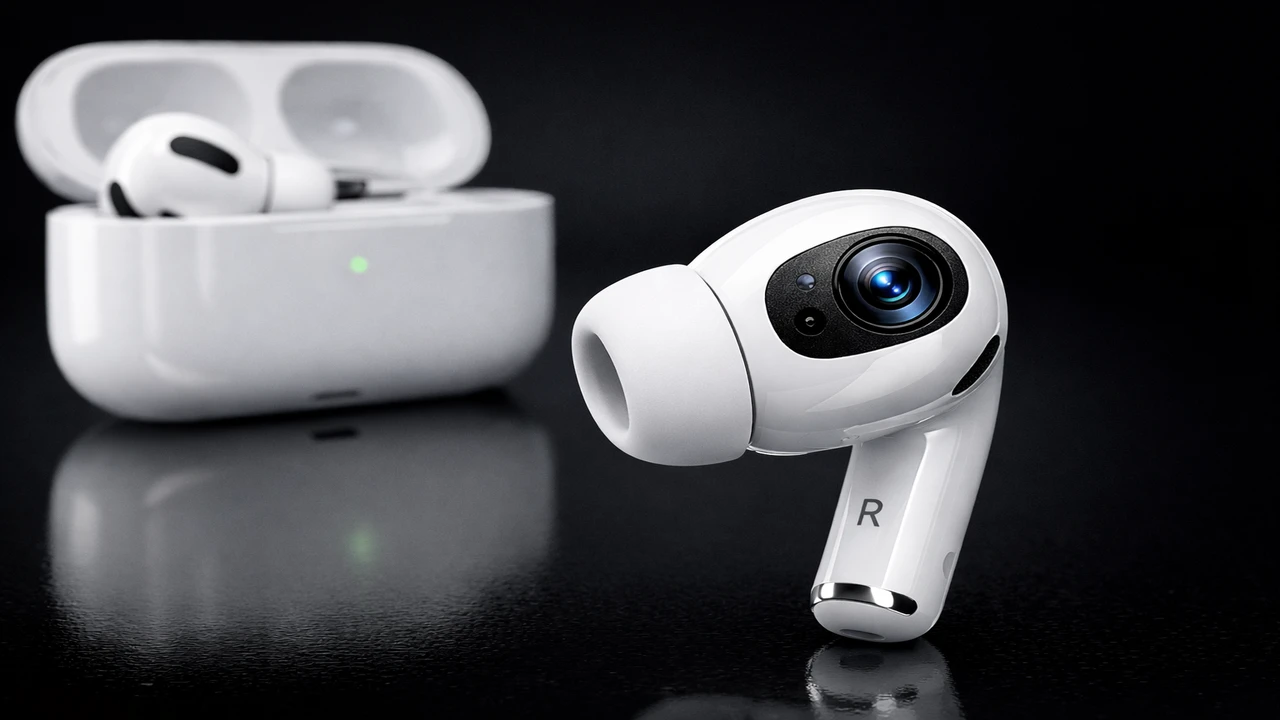
Apple is reportedly working on a new version of its AirPods Pro; it could launch as the AirPods Ultra or Pro 4, integrating cameras designed for environmental sensing and AI-powered contextual awareness. This innovation has the potential to redefine wearable technology by enhancing Siri’s ability to interact intelligently with your surroundings. Positioned as a precursor to lightweight augmented reality (AR) glasses, these AirPods signal Apple’s ambition to lead the next wave of wearable advancements. However, their success will depend on overcoming challenges such as privacy concerns, battery life limitations, and Siri’s current performance gaps. The video below from SaranByte gives us more details on what Apple has planned.

What Sets These AirPods Apart?
The defining feature of the AirPods Pro 4 is the inclusion of cameras, not for traditional photography or video recording, but for environmental sensing. These cameras are designed to capture visual data, allowing Siri to better understand and respond to your surroundings. Imagine walking through a busy city and having Siri identify landmarks, read signs, or provide contextual information without needing to reach for your phone. This functionality could make daily interactions with technology more seamless and intuitive, offering a hands-free experience that integrates naturally into your routine.
The cameras, combined with AI, aim to create a more immersive and responsive user experience. By using this technology, Apple seeks to bridge the gap between current wearables and future AR devices, making these AirPods a pivotal step in the evolution of smart accessories.
Practical Applications of AI and Cameras
The integration of cameras and AI in the AirPods Pro 4 opens up a range of real-world applications that could transform how you interact with technology. These features are designed to reduce reliance on multiple devices while enhancing convenience and functionality. Some potential use cases include:
- Object and text recognition: Identifying items, reading signs, or scanning documents in your environment.
- Real-time language translation: Facilitating effortless communication while traveling or in multilingual settings.
- Enhanced navigation: Providing precise directions in unfamiliar or complex areas, such as airports or large urban centers.
By combining AI with environmental awareness, these AirPods could make technology feel more intuitive and contextually aware, streamlining everyday tasks and interactions.
A Strategic Step Toward Augmented Reality
Apple’s development of camera-enabled AirPods aligns with its broader vision for augmented reality. These AirPods are not just standalone devices; they are part of a larger ecosystem that Apple is building to integrate wearables, smartphones and other products seamlessly. By embedding AI into everyday devices, Apple is laying the groundwork for its long-rumored AR glasses, which could represent the next major leap in consumer technology.
This strategy underscores Apple’s commitment to staying at the forefront of wearable technology innovation. By introducing AR-like features in familiar products like AirPods, Apple can gradually acclimate users to the possibilities of augmented reality, paving the way for more advanced devices in the future.
Challenges to Overcome
Despite their potential, the AirPods Pro 4 face several challenges that could influence their adoption and success. Privacy concerns are among the most significant, as the inclusion of cameras may raise questions about data security and surveillance. Apple will need to implement robust safeguards to reassure users that their privacy is protected.
Another critical challenge is battery life. The added functionality of cameras and AI processing could place a significant strain on the device’s battery, potentially limiting its usability. Additionally, Siri’s current capabilities lag behind competitors like Google Assistant and Amazon Alexa, which could hinder the effectiveness of these new features.
Key challenges include:
- Addressing public concerns about privacy and data security.
- Optimizing battery performance to support advanced features without compromising usability.
- Enhancing Siri’s capabilities to meet user expectations and compete with rival AI assistants.
Overcoming these obstacles will be crucial for Apple to ensure the AirPods Pro 4 deliver on their promise of innovation and practicality.
Using the Apple Ecosystem
Apple’s well-established ecosystem provides a significant advantage in introducing new technologies. By making sure seamless integration with other Apple devices, such as iPhones, iPads and Macs, the company can create a cohesive user experience that encourages adoption among its loyal customer base. This interconnected approach allows users to maximize the potential of the AirPods Pro 4, making them a natural extension of their existing devices.
Additionally, Apple may emphasize the AirPods’ AI-driven features to differentiate them from previous models and competitors’ offerings. By appealing to tech-savvy consumers eager to explore innovative advancements, Apple can position the AirPods Pro 4 as a must-have accessory for those seeking the latest in wearable technology.
Competing in a Dynamic Market
The wearable technology market is becoming increasingly competitive, with major players like Google, Meta and OpenAI developing their own AI-powered devices. Apple’s entry into this space with camera-enabled AirPods highlights its ambition to lead in AI-driven user experiences. However, to maintain its edge, Apple must deliver a product that not only matches but surpasses the capabilities of its competitors.
The success of the AirPods Pro 4 will depend on their ability to offer practical benefits that resonate with consumers. By focusing on usability, innovation and integration within the Apple ecosystem, the company can strengthen its position in the rapidly evolving wearable technology landscape.
Consumer Trends and Adoption
AirPods have become a staple for millions of users, with frequent replacement cycles driving consistent sales. Even if some consumers do not fully use the new features, the appeal of owning the latest Apple product could boost adoption rates. This trend highlights the importance of balancing innovative features with practical usability to cater to a broad audience.
Apple’s ability to market the AirPods Pro 4 as both a functional and aspirational product will play a key role in driving consumer interest. By addressing the needs of early adopters and casual users alike, Apple can ensure the AirPods Pro 4 appeal to a diverse range of customers.
Anticipated Release Timeline
The AirPods Pro 4 are expected to debut alongside the iPhone 18, potentially marking a significant milestone in Apple’s product lineup. However, delays in AI development or hardware optimization could push the release date further. Apple appears committed to making sure the product meets its high standards of functionality and reliability before bringing it to market.
This cautious approach reflects Apple’s focus on delivering a seamless user experience, prioritizing quality over speed. As anticipation builds, the AirPods Pro 4 could become one of the most eagerly awaited releases in the wearable technology sector.
Enhance your knowledge on AirPods Pro 4 by exploring a selection of articles and guides on the subject.
- The Real Reason Apple is Putting Cameras in the AirPods Pro 4
- Galaxy Buds 4 Pro vs AirPods Pro 3: Stop and Read This Before You Tap ‘Buy’
- AirPods Pro 4: The Secret “Vision” Feature Apple Didn’t Want You to Know
- I Didn’t Believe the AirPods Pro 4 Camera Rumors… Until Now
- AirPods Pro 3 Just Leaked: Apple’s Next-Level Audio!
Source & Image Credit: SaranByte
Disclosure: Some of our articles include affiliate links. If you buy something through one of these links, Geeky Gadgets may earn an affiliate commission. Learn about our Disclosure Policy.
