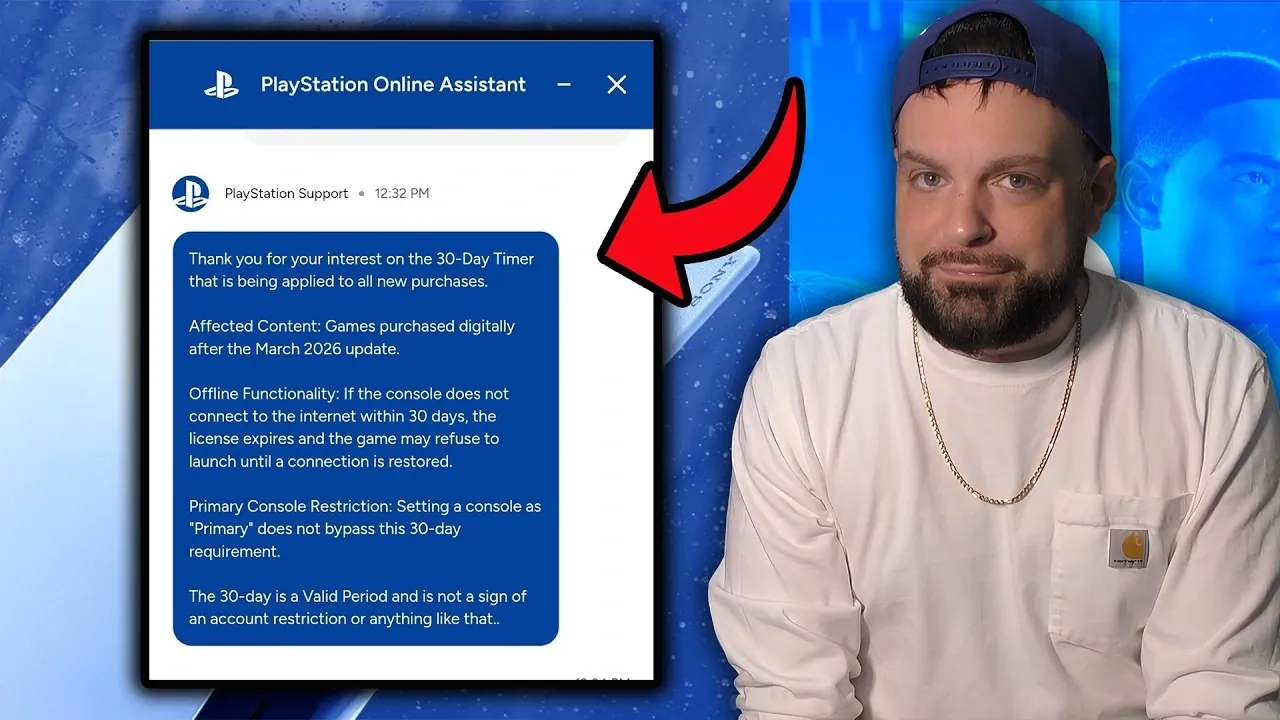
Sony’s recent implementation of Digital Rights Management (DRM) restrictions for PlayStation 5 games has sparked significant debate within the gaming community. As highlighted by RGT 85, this policy requires digital games purchased after March 2026 to connect to the internet at least once every 30 days for license verification. If this condition isn’t met, even fully downloaded games may become inaccessible offline. This change has raised concerns about the implications for digital game ownership, particularly for players with unreliable internet access or those who prefer offline gaming.
Explore how this policy impacts gamers and what it reveals about broader industry trends. You’ll gain insight into the specific limitations tied to the DRM system, including its reliance on hardware like the CMOS battery, and learn how these restrictions differ from those of other platforms. Additionally, this breakdown examines the transparency issues surrounding Sony’s approach and the potential long-term consequences for digital ownership.
What the New DRM Policy Means for You
TL;DR Key Takeaways :
- Sony has introduced new DRM restrictions for digital games on PS4 and PS5, requiring consoles to connect to the internet every 30 days to verify game licenses, potentially making games inaccessible offline if this condition isn’t met.
- The policy applies to digital games purchased after March 2026, while physical games and digital purchases made before this date remain unaffected.
- Testing revealed that the DRM system relies on both the console’s internal clock and periodic online verification, with certain hardware conditions (e.g., CMOS battery removal) causing newer digital games to fail offline.
- Sony’s lack of transparency about the policy has caused confusion and frustration among gamers, raising concerns about trust, consumer rights and the future of digital game ownership.
- The policy highlights broader issues in the gaming industry, such as accessibility challenges for users with unreliable internet and the long-term viability of digital purchases if servers are decommissioned.
If you’ve purchased digital games on PlayStation after March 2026, you may now face new limitations. According to reports, these games require an internet connection at least once every 30 days to validate their licenses. Failing to meet this requirement could prevent you from playing these games offline, even if they are already installed on your console.
Here’s what you need to know about the policy:
- Physical games and digital purchases made before March 2026 are not affected.
- Games downloaded to your console may still require periodic online verification.
- The policy primarily impacts users who rely on offline gaming or have limited internet access.
This shift introduces challenges for gamers in areas with unreliable internet or those who prefer offline play. It raises broader questions about the future of digital game ownership and whether such restrictions align with consumer expectations in an increasingly digital world.
Testing Highlights DRM Limitations
Recent user tests have revealed the extent of these restrictions. For example, removing the CMOS battery—a component that helps maintain system time, from a PS5 Pro caused certain digital games purchased after March 2026 to fail to load offline. This suggests that the DRM system depends on both the console’s internal clock and periodic online license verification to function properly.
In contrast, physical games and digital titles purchased before the policy change continued to function normally. These findings highlight the selective nature of the restrictions and their reliance on specific hardware and software conditions. Gamers who rely on offline play or have older hardware may find themselves at a disadvantage under the new system.

Discover other guides from our vast content that could be of interest on PlayStation.
- How Much Will the PS6 Cost? Clues From the PS5 Price Hike
- More Details on the Sony PS5 Pro Console (Video)
- New Sony PS Vita Teardown
- PlayStation inspired furniture and more
- PlayStation 6 Specs Leak: Everything About the New PS6 Here!
- Sony PlayStation 6 Release Date, Features and Rumors
- PlayStation Move Shooting Accessory
- PS4 Exclusive Bloodborne Story Trailer Released (video)
- Fable Reboot Delayed to 2027: Xbox Exclusivity and PS5 Port Details
- Sony PlayStation 4 Using FreeBSD 9 As Operating System
Transparency Issues: Sony’s Silence
Sony has yet to provide a detailed explanation of the new DRM policy, leaving users to piece together information through independent testing and anecdotal reports. The lack of an official statement has created confusion and frustration among gamers, many of whom feel blindsided by the sudden changes.
Without clear communication, several critical questions remain unanswered:
- What prompted the policy change and why now?
- How will it affect long-term access to purchased games?
- Does the policy align with consumer rights in gaming?
This silence has eroded trust among Sony’s customer base. Gamers are left wondering whether similar changes could be introduced in the future without adequate notice, further complicating their ability to make informed purchasing decisions.
How Sony’s Approach Compares to Other Platforms
Sony’s DRM policy isn’t unique in the gaming industry, but its implementation and communication stand out in stark contrast to competitors. Platforms like Nintendo Switch Online also use DRM mechanisms, such as requiring periodic internet connections to access retro game libraries. However, Nintendo has been upfront about these requirements, making sure that users are aware of the limitations before committing to the service.
In comparison, Sony’s lack of transparency has left many gamers unaware of the new restrictions until they encounter them firsthand. This disparity highlights the importance of clear communication in maintaining consumer trust. By failing to address these changes openly, Sony risks alienating its audience and damaging its reputation in the competitive gaming market.
Consumer Concerns and Broader Implications
For many gamers, the new DRM policy raises significant concerns about accessibility, ownership and the future of digital gaming. These concerns include:
- Gamers in areas with unreliable internet may face severe limitations in accessing their purchased digital games.
- Those in unique circumstances, such as military deployments or extended travel, may struggle to meet the 30-day online verification requirement.
- The policy introduces uncertainty about the long-term viability of digital game ownership. What happens if Sony’s servers are decommissioned in the future?
These issues underscore the broader implications of DRM policies on consumer rights and the gaming industry’s digital future. As more companies adopt similar restrictions, the balance between protecting intellectual property and respecting consumer freedoms becomes increasingly critical.
Calls for Transparency and Accountability
Gamers are urging Sony to address these concerns directly. Clear communication about the DRM policy, its purpose and its impact on digital game ownership is essential to rebuilding trust. Without transparency, Sony risks alienating its customer base and undermining confidence in its digital ecosystem.
As a consumer, you have a role to play in advocating for accountability. By staying informed and voicing your concerns, you can help push for a balance between technological advancements and consumer rights. Companies like Sony must recognize that their success depends on maintaining a positive relationship with their audience, built on trust and mutual understanding.
The Future of Digital Game Ownership
Sony’s introduction of new DRM restrictions for PS5 games has sparked a critical conversation about the balance between protecting intellectual property and respecting consumer rights. While the policy aims to safeguard digital content, its lack of transparency and potential impact on offline gaming have raised valid concerns.
As the gaming industry continues to evolve, staying informed and advocating for clearer communication from companies like Sony will be essential. The future of digital game ownership depends on finding a balance that works for both creators and consumers. By addressing these issues head-on, Sony has an opportunity to demonstrate its commitment to its community and set a positive precedent for the industry as a whole.
Media Credit: RGT 85
Disclosure: Some of our articles include affiliate links. If you buy something through one of these links, Geeky Gadgets may earn an affiliate commission. Learn about our Disclosure Policy.
