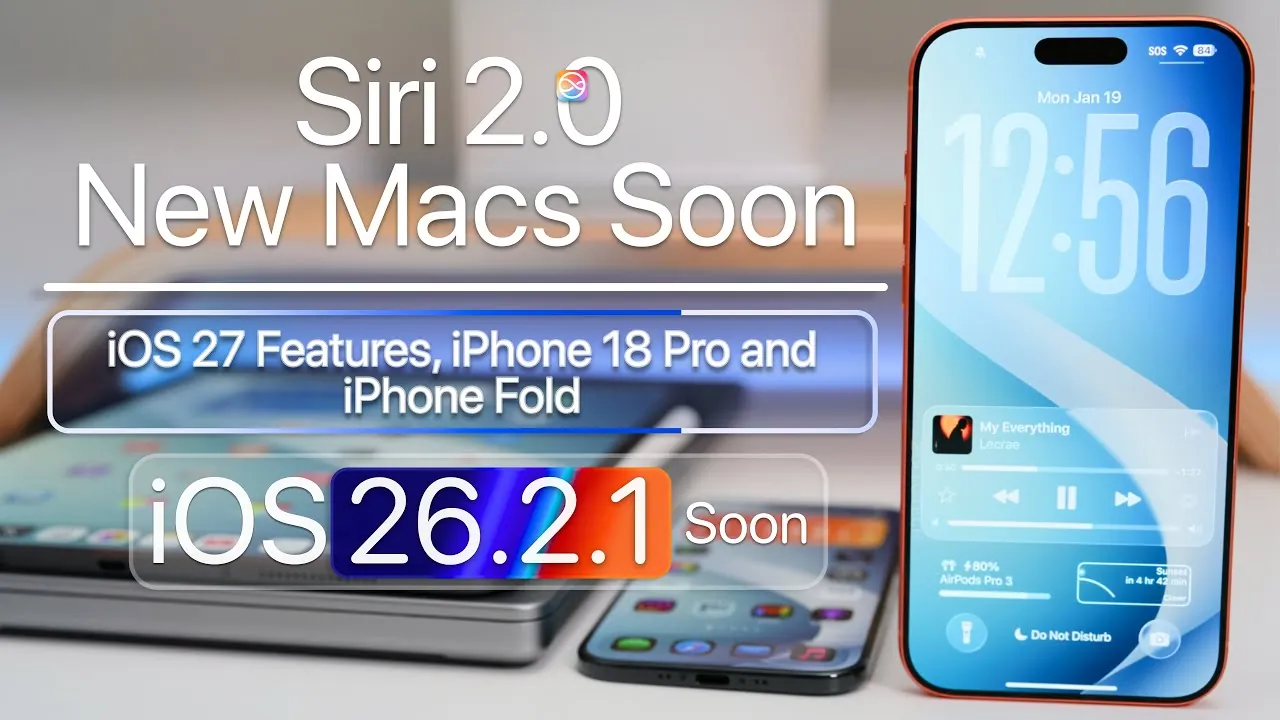
Apple continues to lead the technology industry with its latest advancements in artificial intelligence, hardware, and software. From the introduction of Siri 2.0 to the unveiling of powerful MacBook Pro models and refined iOS updates, the company is redefining user experiences while maintaining its commitment to sustainability. These innovations not only enhance functionality but also reflect Apple’s dedication to pushing the boundaries of what technology can achieve. The video below from Zollotecg gives us more details.

Siri 2.0: Redefining AI Assistance
Siri 2.0 represents a significant evolution in artificial intelligence, focusing on deeper contextual understanding and proactive engagement. This next-generation virtual assistant is designed to handle complex queries with remarkable precision, offering detailed answers and personalized recommendations. For example, Siri 2.0 can analyze live traffic data to suggest optimal travel routes or help plan vacations by considering your preferences and habits.
Key advancements in Siri 2.0 include:
- Enhanced conversational abilities for more natural and fluid interactions.
- Emotional support features, such as storytelling and companionship, to provide a more human-like experience.
- Proactive suggestions tailored to individual user habits and needs, improving daily convenience.
These features are powered by a custom AI model developed in collaboration with Google’s Gemini platform, making sure innovative performance. By integrating these capabilities, Siri 2.0 not only enhances daily tasks but also lays the groundwork for future AI-driven innovations across Apple’s ecosystem, making it a cornerstone of the company’s technological vision.
MacBook Pro: Performance Meets Display Innovation
Apple’s upcoming MacBook Pro lineup is set to redefine performance and display quality with the introduction of the M5 Pro, M5 Max, and M5 Ultra chipsets. These processors are engineered to deliver exceptional speed and energy efficiency, making them ideal for resource-intensive tasks such as video editing, software development, and machine learning.
In addition to the new chipsets, Apple is reportedly integrating OLED displays into its MacBook Pro models. These displays are expected to offer:
- Richer colors and deeper contrast create an immersive viewing experience.
- Improved energy efficiency, which extends battery life for users on the go.
- Sharper visuals, catering to the needs of creative professionals and gamers alike.
Rumors also suggest updates to Apple’s Studio and Pro Display XDR monitors, which may feature 120 Hz ProMotion technology for smoother visuals and enhanced responsiveness. These advancements highlight Apple’s commitment to delivering innovative hardware that meets the demands of both professionals and everyday users.
iOS 27: Stability and Smarter AI
The upcoming iOS 27, expected to debut at WWDC 2026, emphasizes stability and deeper integration of artificial intelligence. This update aims to enhance user experience through a combination of refined features and smarter functionality. Key highlights include:
- A redesigned Siri interface makes interactions more intuitive and user-friendly.
- AI-driven calendar integration to streamline scheduling and improve productivity.
- Enhanced 5G satellite connectivity, making sure reliable Maps and Messages functionality even in remote areas.
In the meantime, incremental updates like iOS 26.2.1 and iOS 26.3 will address minor bugs and introduce subtle refinements, making sure a seamless and reliable user experience. Together, these updates reflect Apple’s dedication to delivering software that is both innovative and dependable.
iPhone Innovations: Foldable Displays and Under-Display Face ID
Apple’s iPhone lineup is poised for significant advancements with the introduction of the iPhone 18 series and the highly anticipated iPhone Fold. The iPhone 18 will feature under-display Face ID technology, offering a cleaner design and enhanced security. Additionally, refinements to the Dynamic Island feature will improve usability and functionality.
The iPhone Fold marks Apple’s entry into the foldable smartphone market, showcasing its ability to innovate in new product categories. Key features of the iPhone Fold include:
- A crease-free foldable display, delivering a seamless and premium user experience.
- Advanced materials designed for durability and long-term reliability.
- The powerful A20 Pro chipset ensures top-tier performance for demanding applications.
For users seeking a more affordable option, the iPhone 17e will incorporate Dynamic Island while retaining 60 Hz displays, offering a balance between innovation and cost-effectiveness. These developments demonstrate Apple’s ability to cater to a wide range of consumer needs while maintaining its reputation for quality and innovation.
AI and Hardware Collaboration
Apple’s collaboration with Google on a Gemini-based AI model underscores its focus on advancing artificial intelligence. This partnership enhances Siri’s capabilities, allowing more intuitive and personalized interactions across Apple’s ecosystem. Additionally, reports suggest that OpenAI and former Apple designer Jony Ive are working on a new AI-driven hardware device, potentially launching in late 2026. This device could represent a significant step forward in integrating AI into everyday consumer technology, further solidifying Apple’s position as a leader in innovation.
Environmental Sustainability Amid Supply Chain Challenges
Apple remains committed to environmental sustainability, even as it navigates supply chain challenges driven by the growing demand for AI chips. The company continues to prioritize eco-friendly practices, including:
- Reducing carbon emissions across its operations and supply chain.
- Incorporating recycled materials into its products to minimize waste.
- Promoting renewable energy initiatives to power its facilities and manufacturing processes.
The recent retirement of Lisa Jackson, Apple’s longtime environmental chief, marks a leadership transition. However, the company’s sustainability efforts are expected to remain a core focus under new management, making sure that Apple continues to lead by example in addressing environmental concerns.
What’s Next for Apple?
Looking ahead, Apple is rumored to be working on advancements for the Apple Vision Pro, iPads, and Mac Studio. These developments, combined with ongoing improvements in display technology and chipset performance, highlight Apple’s relentless pursuit of innovation. As the company addresses supply chain complexities and explores new applications for artificial intelligence, it continues to shape the future of consumer electronics, solidifying its position at the forefront of technological progress.
Take a look at other insightful guides from our broad collection that might capture your interest in Siri 2.0 Features.
- Siri 2.0 Release Date, Features, and What to Expect
- iOS 26.3 Beta 2 Features: Siri 2.0 and AI Update
- iOS 26 Public Beta 3: Everything You Need to Know About Siri 2.0
- Siri 2.0 for iPhone: A Deep Dive into Features and Functionality
- Apple’s Siri 2.0: Release Date, Features, and Compatibility
Source & Image Credit: zollotech
Disclosure: Some of our articles include affiliate links. If you buy something through one of these links, Geeky Gadgets may earn an affiliate commission. Learn about our Disclosure Policy.
