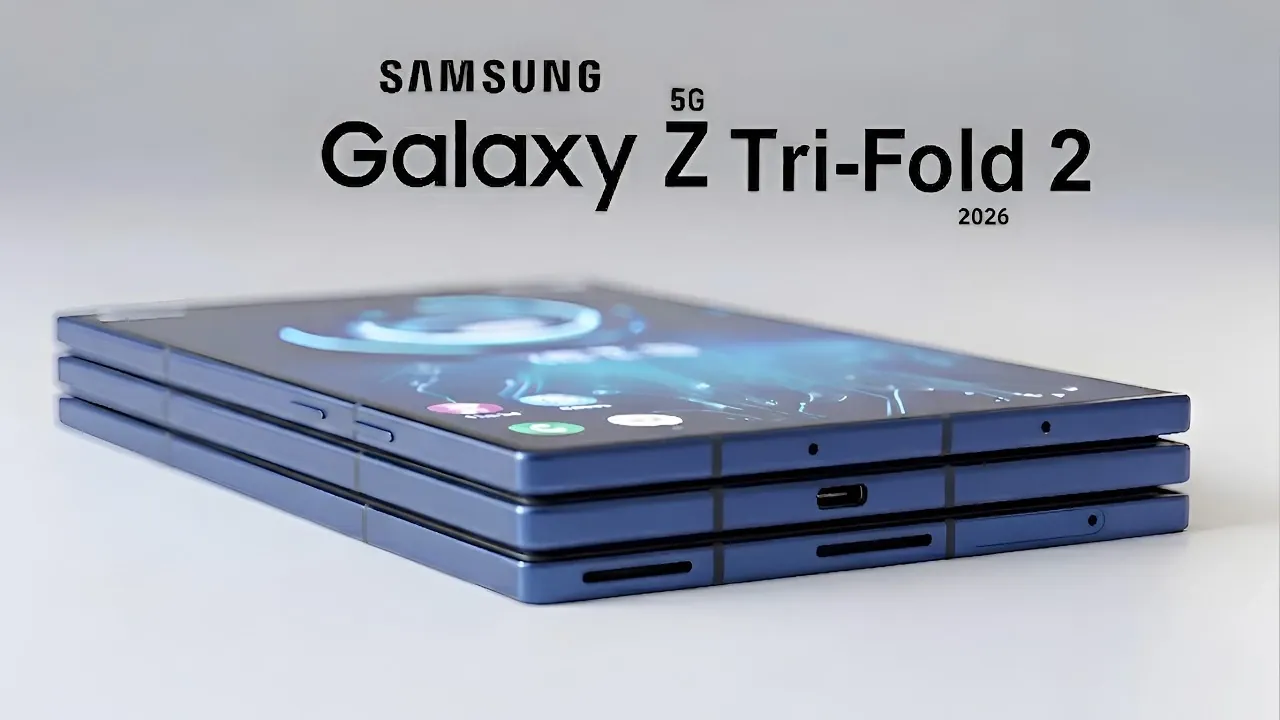
Samsung is poised to elevate the foldable smartphone market with the highly anticipated Galaxy Z TriFold 2. Building on the innovative tri-fold design of its predecessor, this next-generation device introduces a significant enhancement: S Pen integration. By incorporating the stylus, Samsung aims to expand the device’s functionality, catering to professionals and creatives alike. However, challenges in production complexity and pricing could shape its market trajectory.

What Sets the Tri-Fold Design Apart?
The Galaxy Z TriFold 2 distinguishes itself with its unique tri-fold design, featuring three folding sections that allow the device to transition seamlessly between a compact smartphone and a full-sized tablet. When fully unfolded, the expansive display offers a tablet-like experience, ideal for multitasking, media consumption and productivity. This design not only enhances usability but also redefines the concept of versatility in mobile technology.
The device also includes a cover screen for quick access to essential functions, eliminating the need to unfold the device for basic tasks. This dual-purpose approach reflects Samsung’s commitment to creating devices that adapt to the diverse needs of modern users. The tri-fold design is not just a novelty; it represents a practical solution for those seeking both portability and functionality in a single device.
S Pen Integration: Enhancing Productivity and Creativity
A standout feature of the Galaxy Z TriFold 2 is the integration of the S Pen, a tool that has long been a hallmark of Samsung’s premium devices. The company has patented a built-in slot for the stylus, secured with a magnetic storage mechanism. This ensures that the S Pen is always accessible and ready for use, enhancing the overall user experience.
The stylus is automatically released when the device is unfolded, streamlining its functionality. For professionals, the S Pen offers precise input for tasks such as note-taking, sketching and document editing, making the device a powerful tool for productivity. Creative users will also benefit from its ability to support detailed illustrations and design work. By incorporating the S Pen, Samsung is addressing the needs of users who demand advanced tools for both work and personal use.
Consumer Appeal of the Tri-Fold Series
The original tri-fold model demonstrated strong consumer interest, selling out quickly despite its premium price. This response highlights the growing demand for devices that combine innovative technology with innovative form factors. The Galaxy Z TriFold 2 builds on this momentum by adding S Pen support, which broadens its appeal to a wider audience, particularly professionals and creatives who value precision and versatility.
The tri-fold series also appeals to tech enthusiasts who are drawn to its futuristic design and functionality. By offering a device that transitions effortlessly between smartphone and tablet modes, Samsung is catering to users who prioritize adaptability and performance in their mobile devices.
Production Challenges and Pricing Considerations
Despite its innovative design, the Galaxy Z TriFold 2 faces significant challenges in production. The complexity of manufacturing a tri-fold device is far greater than that of traditional smartphones or even standard foldables. This complexity drives up production costs, which are expected to be reflected in the device’s retail price. Industry analysts predict that the Galaxy Z TriFold 2 could exceed $3,000, placing it firmly in the luxury smartphone category.
Such a high price point may limit its accessibility, positioning it as a niche product aimed at tech enthusiasts, early adopters and power users. For Samsung, achieving a balance between innovation and affordability will be crucial for the device’s long-term success. The company must also navigate potential supply chain challenges to ensure the device meets quality standards while maintaining production efficiency.
Strategic Market Positioning and Future Implications
The Galaxy Z TriFold 2 is expected to target a specific segment of the market, focusing on consumers who value exclusivity and innovative technology. Samsung may opt for a limited release strategy, emphasizing the device’s premium nature to attract tech-savvy buyers. This approach could enhance its appeal as a status symbol while allowing Samsung to refine its production processes for future iterations.
If the Galaxy Z TriFold 2 succeeds, it could set a new benchmark for foldable smartphones, influencing the broader direction of mobile technology. Its success would not only validate the tri-fold design but also encourage further innovation in the foldable category. However, the transition from concept to commercial success is not guaranteed, as many patented designs face hurdles in mass production and market adoption.
The Galaxy Z TriFold 2 represents a bold step forward in smartphone design, combining a innovative form factor with advanced functionality. Whether it becomes a mainstream success or remains a niche product, it underscores Samsung’s commitment to pushing the boundaries of what smartphones can achieve.
Browse through more resources below from our in-depth content covering more areas on Samsung Galaxy Z TriFold.
- Galaxy Z TriFold 2: Samsung’s Radical Plan to Kill the USB-C Port
- New Samsung Galaxy Z TriFold 2 Leak Reveals Wider Design
- Samsung Galaxy Z TriFold 2 Specs Leak: Snapdragon 8 Elite Gen 2 and a 10-Inch OLED Beast
- Samsung’s Galaxy Z TriFold 2 Design Leaked: Thinner, Stronger and Ready for a Comeback
- Samsung Galaxy Z Tri-Fold: Everything You Need to Know (Price, Release, Specs, & More!)
Source & Image Credit: Demon’s Tech
Disclosure: Some of our articles include affiliate links. If you buy something through one of these links, Geeky Gadgets may earn an affiliate commission. Learn about our Disclosure Policy.
