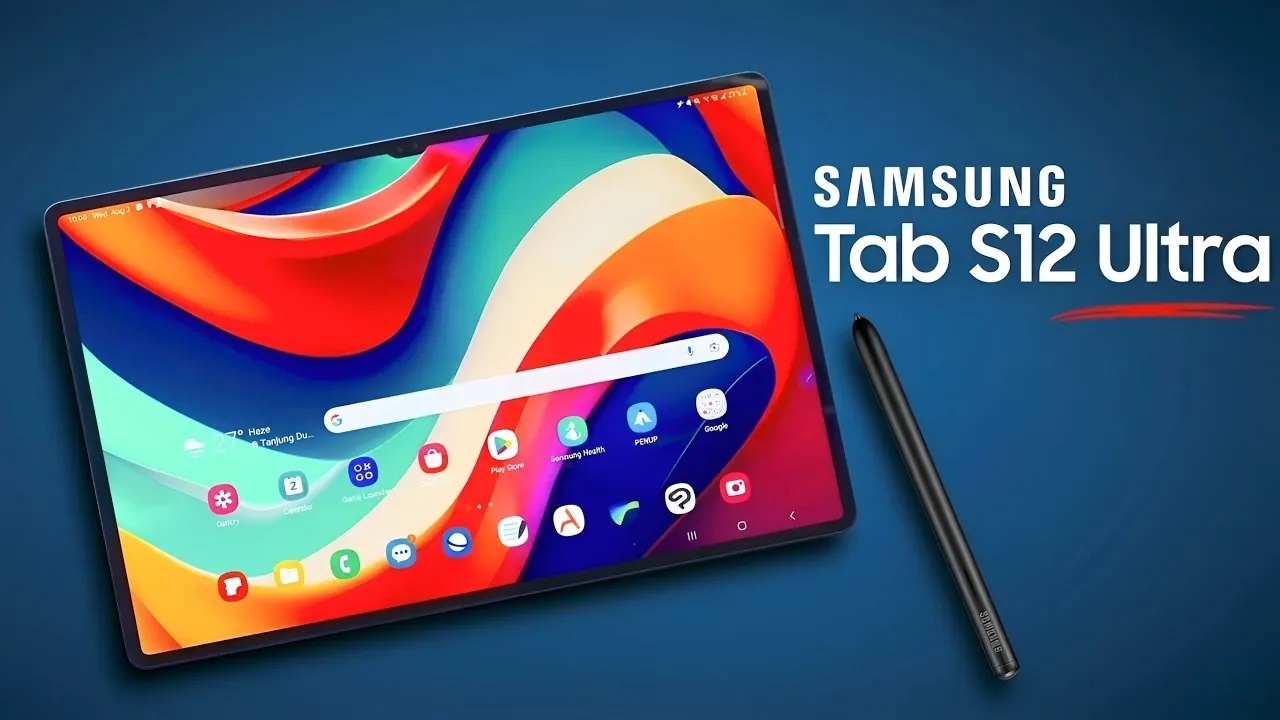
Samsung is poised to redefine its premium tablet lineup with the Galaxy Tab S12 Plus and Galaxy Tab S12 Ultra, expected to launch in late 2026. In a strategic shift, the company has decided to forgo the standard Galaxy Tab S12, focusing solely on its high-end models. This decision reflects Samsung’s intent to streamline its flagship offerings, a move reminiscent of the Tab S10 series. However, with only incremental upgrades and rising price points, the critical question remains: can these tablets maintain their relevance in an increasingly competitive market?

Refined Design and Display Excellence
Samsung continues to uphold its reputation for delivering premium design and innovative displays. The Galaxy Tab S12 Plus and Ultra are anticipated to feature AMOLED screens, renowned for their vibrant colors, deep contrasts and superior brightness levels. These displays are tailored for a variety of tasks, including media consumption, creative projects and professional workflows. To complement the visual experience, both models are expected to include a quad-speaker system, promising immersive and high-quality audio output.
While these enhancements are undeniably appealing, they represent refinements rather than fantastic innovations. For users already invested in Samsung’s ecosystem, the incremental nature of these upgrades may not provide a compelling incentive to upgrade. However, for new buyers or those seeking a premium tablet experience, the design and display quality remain standout features.
Performance Powered by MediaTek
A significant change under the hood is Samsung’s decision to adopt MediaTek’s flagship Dimensity 9500 processor or a customized variant, marking a departure from Qualcomm’s Snapdragon chips. This move aligns with the broader industry trend of diversifying chipset suppliers, potentially offering Samsung greater flexibility in production and pricing. The Dimensity 9500 is expected to deliver robust performance, excelling in multitasking, gaming and energy efficiency.
Despite its promising specifications, this shift may raise concerns among users accustomed to Snapdragon’s established reputation for reliability and performance in flagship devices. For those who prioritize familiarity and proven benchmarks, the transition to MediaTek could introduce a degree of uncertainty. However, if MediaTek’s chipset lives up to expectations, it could pave the way for a new standard in Samsung’s flagship tablets.
Battery Efficiency Over Capacity
Samsung appears to be prioritizing battery efficiency over sheer capacity in the Galaxy Tab S12 series. The Galaxy Tab S12 Plus is rumored to feature a 10,500mAh battery, a modest improvement over its predecessor. However, the real focus lies in optimizing power efficiency through advanced hardware-software integration.
This approach aims to deliver longer real-world usage without significantly increasing the device’s size or weight. For users who value portability and practicality, this emphasis on efficiency could be a welcome improvement. However, it also highlights Samsung’s strategy of incremental enhancements rather than bold leaps in battery technology.
Software Support and Longevity
Samsung’s commitment to long-term software support remains a cornerstone of its flagship tablet strategy. The Galaxy Tab S12 lineup is expected to launch with the latest version of One UI, built on Android and receive extended software updates for several years. This ensures that users will benefit from new features, security patches and performance optimizations over time.
For professionals and power users, this long-term support adds substantial value, particularly in a market where device longevity is increasingly important. By offering extended updates, Samsung positions its tablets as reliable, future-proof investments, appealing to those who prioritize durability and consistent performance.
Pricing and Market Position
The Galaxy Tab S12 Plus and Ultra are firmly positioned in the premium segment, with the S12 Plus expected to start between $1,100 and $1,200. This pricing strategy aligns with Samsung’s efforts to position its tablets as viable alternatives to high-end laptops and Apple’s iPad Pro lineup. The inclusion of advanced features and premium materials justifies the price for some, but it also raises concerns about accessibility.
The absence of a more affordable standard model could limit the appeal of the S12 series, particularly for casual users or those on a budget. Additionally, the rising costs may prompt some buyers to explore older models or competing brands that offer similar features at a lower price point. Samsung’s ability to balance premium pricing with consumer expectations will be critical to the success of the S12 lineup.
Balancing Innovation and Consumer Expectations
The Galaxy Tab S12 Plus and Ultra represent Samsung’s ongoing efforts to refine its flagship tablet offerings. With a focus on display quality, performance, and efficiency, these devices cater to professionals and enthusiasts seeking a premium experience. However, the lack of new innovations and the elimination of a standard model may narrow their appeal to a more niche audience.
For users who don’t require the latest features or are hesitant about the rising costs, Samsung’s existing Galaxy Tab lineup remains a strong alternative. Ultimately, the success of the Tab S12 series will hinge on how effectively Samsung can balance innovation, pricing and consumer expectations in a highly competitive market.
Become an expert in Samsung Galaxy Tab S12 Ultra with the help of our in-depth articles and helpful guides.
- Samsung Galaxy Tab S11 Ultra Features, Specs and Release Date
- Samsung Galaxy Tab S11 Ultra: Specs and Release Date
Source & Image Credit: Demon’s Tech
Disclosure: Some of our articles include affiliate links. If you buy something through one of these links, Geeky Gadgets may earn an affiliate commission. Learn about our Disclosure Policy.
