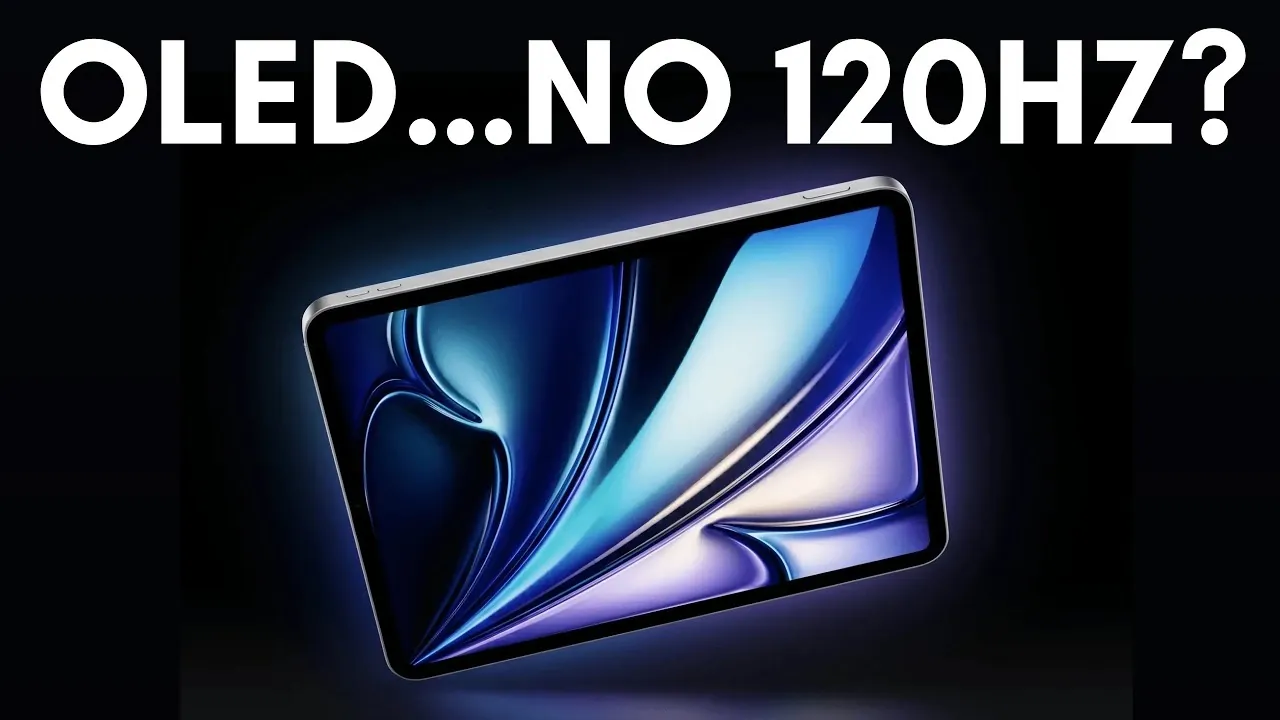
Apple is preparing to introduce OLED displays to its iPad Air lineup in early 2027, marking a significant enhancement in display quality. This move, however, comes with a deliberate compromise: the iPad Air will feature a less advanced OLED technology compared to the iPad Pro. This distinction highlights Apple’s strategy of balancing innovation with product differentiation, making sure a clear hierarchy within its device lineup while gradually expanding OLED technology across its offerings. The video below from SaranByte gives us more details on the OLED iPad Air.

When to Expect the OLED iPad Air
The OLED iPad Air is anticipated to launch in early 2027, with Samsung scheduled to begin mass production of the required OLED panels in late 2026. This timeline reflects Apple’s calculated and methodical approach to integrating OLED technology into its mid-range products. While the iPad Pro has already embraced advanced OLED displays, the iPad Air’s adoption of this technology signals Apple’s intent to make OLED displays more accessible to a broader audience without disrupting its product hierarchy.
Apple’s decision to stagger the rollout of OLED technology across its devices ensures that each product tier retains its unique appeal. By introducing OLED to the iPad Air, Apple is catering to users who value improved display quality but do not require the advanced features of the Pro lineup.
What Sets the OLED iPad Air Apart?
The iPad Air will use single-stack LTPS OLED technology, which offers notable improvements over traditional LCD displays in terms of color accuracy, contrast, and overall image quality. However, it will not feature the more advanced two-stack LTPO OLED technology found in the iPad Pro.
Here’s a comparison of the two technologies:
- Single-stack LTPS OLED (iPad Air): Provides enhanced color reproduction and contrast but has limitations in brightness and energy efficiency.
- Two-stack LTPO OLED (iPad Pro): Delivers higher brightness, superior energy efficiency and supports ProMotion for a smoother 120Hz refresh rate.
This differentiation ensures that the iPad Pro remains the go-to choice for professionals and power users, while the iPad Air appeals to those seeking a balance between performance and affordability.
Why Apple is Segmenting Its Product Lines
Apple’s decision to equip the iPad Air with single-stack OLED panels reflects its broader strategy of maintaining distinct product categories. Each iPad model is designed to cater to a specific audience, making sure that users can choose a device that best suits their needs and budget.
- iPad Pro: Tailored for professionals and power users, offering innovative display technology, advanced features and superior performance.
- iPad Air: Positioned as a mid-tier option, now with improved display quality, appealing to users who seek a balance between cost and performance.
- Base iPad: Retains its LCD display, targeting budget-conscious consumers who prioritize affordability over advanced features.
This segmentation not only preserves the premium appeal of the Pro lineup but also ensures that each model delivers value to its intended audience.
What This Means for Consumers
For most users, the current M4 iPad Air remains a compelling option, offering excellent performance with its LCD display. However, the introduction of OLED technology in 2027 is expected to bring a price increase, which may be offset by upgrades such as increased base storage.
Here’s how the OLED iPad Air might cater to different user needs:
- Display Enthusiasts: If you prioritize vibrant colors and improved contrast but do not require ProMotion, the OLED iPad Air could be an ideal choice.
- Power Users: Those who value advanced features like a 120Hz refresh rate may find a refurbished iPad Pro with LTPO OLED technology more suitable.
- Budget Buyers: The current iPad Air or base iPad models remain excellent options for users who prioritize affordability and solid performance.
Understanding these distinctions can help consumers make informed decisions based on their specific needs and preferences.
Apple’s Broader OLED Strategy
Apple’s gradual adoption of OLED technology began with the iPhone and Apple Watch and has since expanded to the iPad Pro. The introduction of OLED displays to the iPad Air represents the next phase in this transition, with Macs expected to follow in the near future.
This phased approach allows Apple to:
- Introduce OLED displays to a wider audience while managing production costs effectively.
- Maintain a clear distinction between mid-tier and premium devices, preserving the exclusivity of the Pro lineup.
- Ensure a smooth transition for consumers as OLED technology becomes the standard across its product range.
By extending OLED technology to the iPad Air, Apple is making high-quality displays more accessible while reinforcing the premium status of its Pro models. This strategy aligns with Apple’s long-term vision of enhancing user experiences across its entire product ecosystem.
Should You Wait for the OLED iPad Air?
Deciding whether to wait for the OLED iPad Air depends on your priorities and timeline.
- Display Quality: If superior color accuracy and contrast are essential to you and you can wait until 2027, the OLED iPad Air may be worth considering.
- Immediate Needs: If you require an upgrade sooner or value features like ProMotion, a refurbished iPad Pro could be a better fit.
- Affordability: For those on a budget, the current iPad Air or base iPad models remain excellent choices, offering solid performance at a lower price point.
By carefully evaluating your needs and preferences, you can determine whether the OLED iPad Air aligns with your expectations or if an alternative option better suits your requirements.
Here are more guides from our previous articles and guides related to OLED iPad Air that you may find helpful.
- M4 iPad Air Release Date, Features and Pricing Explained
- Apple’s OLED Display Technology: What It Means for 2026 Devices
- Apple iPad Air M4: Features, Pricing and Release Date Explained
Source & Image Credit: SaranByte
Disclosure: Some of our articles include affiliate links. If you buy something through one of these links, Geeky Gadgets may earn an affiliate commission. Learn about our Disclosure Policy.
