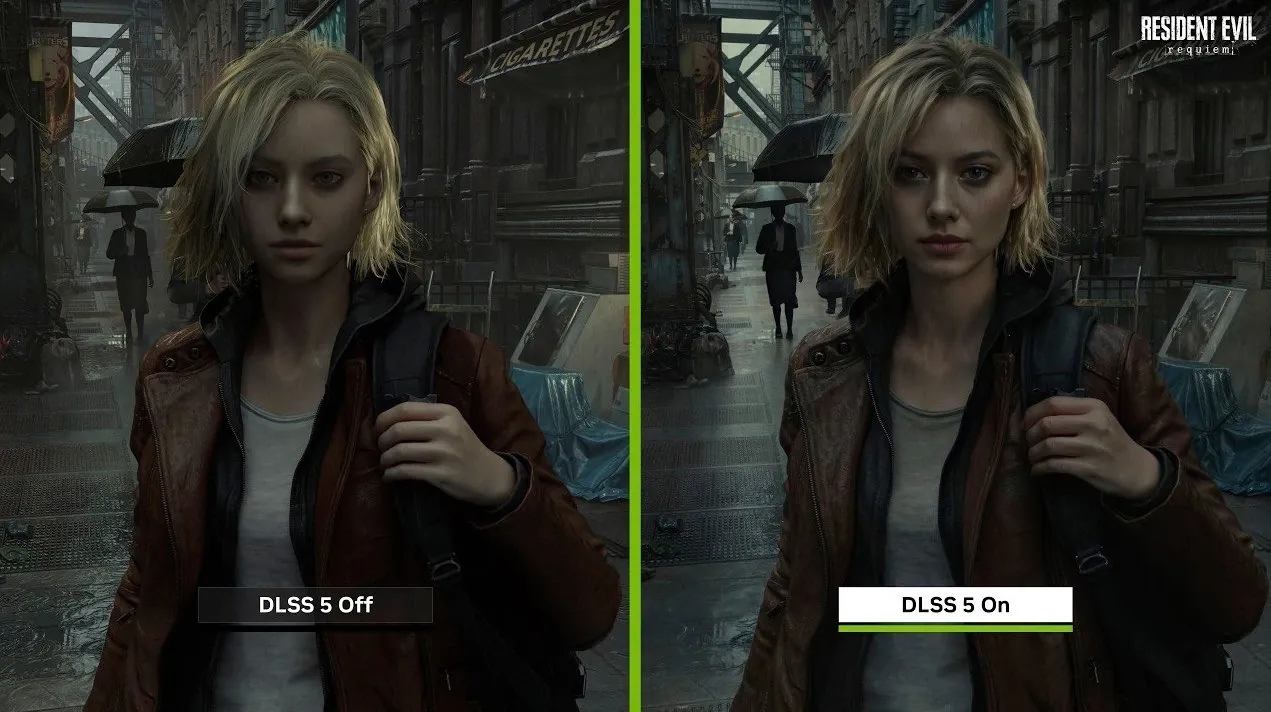
Nvidia’s DLSS 5 represents a significant advancement in gaming graphics, combining real-time neural rendering with artificial intelligence to enhance visual quality. According to Daniel Owen, the system processes motion vectors and color data to generate realistic textures, dynamic lighting and lifelike materials. However, these improvements come with challenges, such as high hardware requirements and concerns over AI-driven enhancements potentially overshadowing artistic intent. Owen notes that developers can address some of these issues through features like adjustable intensity settings and masking options, though these solutions may disproportionately benefit larger studios with more resources.
Explore how DLSS 5 balances realism with artistic stylization, including its implications for creative control in game design. Gain insight into the widening divide between AAA and indie developers as a result of resource-intensive technologies. Additionally, understand the technical challenges posed by latency and hardware demands and how these factors influence both development workflows and player experiences.
NVIDIA DLSS 5 Key Features
TL;DR Key Takeaways :
- DLSS 5 introduces real-time neural rendering, using AI to achieve near-photorealistic visuals with lifelike lighting, textures and effects, setting a new standard for gaming graphics.
- The technology offers tools for developers to customize AI enhancements, but concerns remain about its impact on artistic control and the potential challenges for smaller studios with limited resources.
- High hardware demands, such as requiring dual RTX 5090 GPUs, limit accessibility, though Nvidia plans to optimize the technology for lower-end systems in the future.
- Challenges include latency issues affecting gameplay responsiveness and the “uncanny valley” effect in hyper-realistic character rendering, which could impact player immersion.
- DLSS 5 adoption is growing, with support from major games like Starfield and Hogwarts Legacy, but its broader implications for accessibility, artistic integrity and industry innovation remain under scrutiny.
DLSS 5 builds on the foundation of its predecessors, shifting its focus from performance optimization to a comprehensive enhancement of visual quality. At its core, the technology uses AI to process motion vectors and color data from a game, allowing the creation of highly realistic textures, lighting and materials in real time.
This neural rendering approach allows the AI to interpret and recreate intricate scene elements, such as:
- Detailed character features, including hair, skin and fabric movement
- Dynamic environmental lighting that reacts to in-game changes
- Authentic reflections, shadows and surface textures
The result is a gaming experience that blurs the line between pre-rendered cinematics and real-time gameplay. Nvidia’s AI model is trained to adapt to complex scene dynamics, making sure that visual elements respond seamlessly to player actions and environmental changes. This level of detail mirrors the quality of visual effects seen in Hollywood productions, setting a new benchmark for gaming graphics.
Balancing Artistic Vision and AI-Driven Enhancements
One of the most debated aspects of DLSS 5 is its potential influence on artistic intent. Critics have expressed concerns that the technology might homogenize game visuals, applying a universal “filter” that could override a developer’s creative vision. Nvidia has addressed these concerns by offering developers tools to customize the AI-generated output, including:
- Adjustable intensity settings to control the level of AI enhancement
- Color grading options for maintaining stylistic consistency
- Masking features to selectively apply AI effects to specific areas
These tools provide flexibility, allowing developers to retain control over their artistic direction. However, they also present challenges, particularly for smaller studios with limited resources. Fine-tuning these settings requires time and expertise, which may not be feasible for all developers. This raises questions about whether DLSS 5 will primarily benefit larger studios with greater technical capabilities, potentially widening the gap between AAA developers and indie creators.

Explore further guides and articles from our vast library that you may find relevant to your interests in NVIDIA.
- NVIDIA Buys Groq : Licensing Targets Cheaper Inference
- NVIDIA Releases Open Source Nitrogen, Aimed Beyond Games
- Running NVIDIA’s Nemotron 30B AI Locally : 1 Million Context Window
- NVIDIA Risk : Datacenter Spend vs Device-Side AI Momentum
- NVIDIA Groq Licensing Explained, $20B Deal Reshapes AI Chips
- NVIDIA PersonaPlex Voice AI : Full-Duplex Chat with Low Latency
- AI News, NVIDIA Vera Rubin Aims at 10M Token Context Windows
- How NVIDIA’s Plan Moves AI from Chips to Factory-Scale Systems
- Vera Rubin GPU at CES 2026 : 35 PF Training, 50 PF Inference
- NVIDIA Rubin vs Blackwell : 4x Fewer GPUs and 90 Percent Lower Cost
Hardware Demands: A Barrier to Accessibility?
The advanced capabilities of DLSS 5 come with significant hardware requirements, which could limit its accessibility to a broader audience. Early demonstrations have showcased the technology running on high-end setups, such as dual RTX 5090 GPUs, far exceeding the capabilities of most consumer gaming systems. This has sparked concerns about whether DLSS 5 will remain a luxury feature for those with top-tier gaming rigs.
Nvidia has acknowledged these concerns and stated that future updates aim to optimize the technology for lower-end hardware. However, the timeline for these optimizations remains uncertain. Until then, the steep hardware demands may restrict DLSS 5 to a niche audience, potentially slowing its adoption across the gaming industry.
Challenges: Latency and the Uncanny Valley
Despite its impressive advancements, DLSS 5 is not without its challenges. The additional AI processing required for neural rendering introduces latency, which could impact gameplay responsiveness. This is a critical concern, particularly for competitive gaming, where even minor delays can affect performance. Nvidia is reportedly working on latency reduction techniques, but achieving seamless performance remains a significant hurdle.
Another challenge lies in the “uncanny valley” effect, especially in character rendering. While hyper-realistic visuals are visually stunning, they can sometimes feel unnatural, creating a sense of disconnection for players. Striking the right balance between realism and artistic stylization will be essential to maintaining player immersion and making sure that the visuals enhance, rather than detract from, the gaming experience.
Industry Adoption and Broader Implications
Several high-profile games, including Starfield, Hogwarts Legacy, and Assassin’s Creed Shadows, have already announced support for DLSS 5. These early integrations demonstrate the growing interest in AI-enhanced graphics across the gaming industry. However, the extent to which developers embrace DLSS 5 will depend on several factors, including the costs associated with implementation and the availability of resources to optimize its use.
Beyond individual games, DLSS 5 represents a broader shift toward neural rendering in gaming. Competitors such as Sony and Microsoft are likely to explore similar technologies, further driving innovation in the field. However, this shift also invites skepticism. Some industry observers question whether the long-term benefits of AI-driven graphics outweigh the challenges they introduce, particularly in terms of accessibility and artistic integrity.
DLSS 5 is undeniably a bold step forward in gaming graphics, showcasing the potential of real-time neural rendering to deliver photorealistic visuals. Its ability to transform lighting, textures and materials in real time underscores Nvidia’s advancements in AI and graphics processing. However, the technology also presents significant challenges, from steep hardware requirements to concerns about artistic integrity and latency.
As the gaming industry continues to evolve, the adoption and reception of DLSS 5 will depend on how effectively these challenges are addressed. For developers and players alike, the promise of Hollywood-level visuals in real-time gaming is both exciting and complex, marking a pivotal moment in the future of interactive entertainment.
Media Credit: Daniel Owen
Disclosure: Some of our articles include affiliate links. If you buy something through one of these links, Geeky Gadgets may earn an affiliate commission. Learn about our Disclosure Policy.
