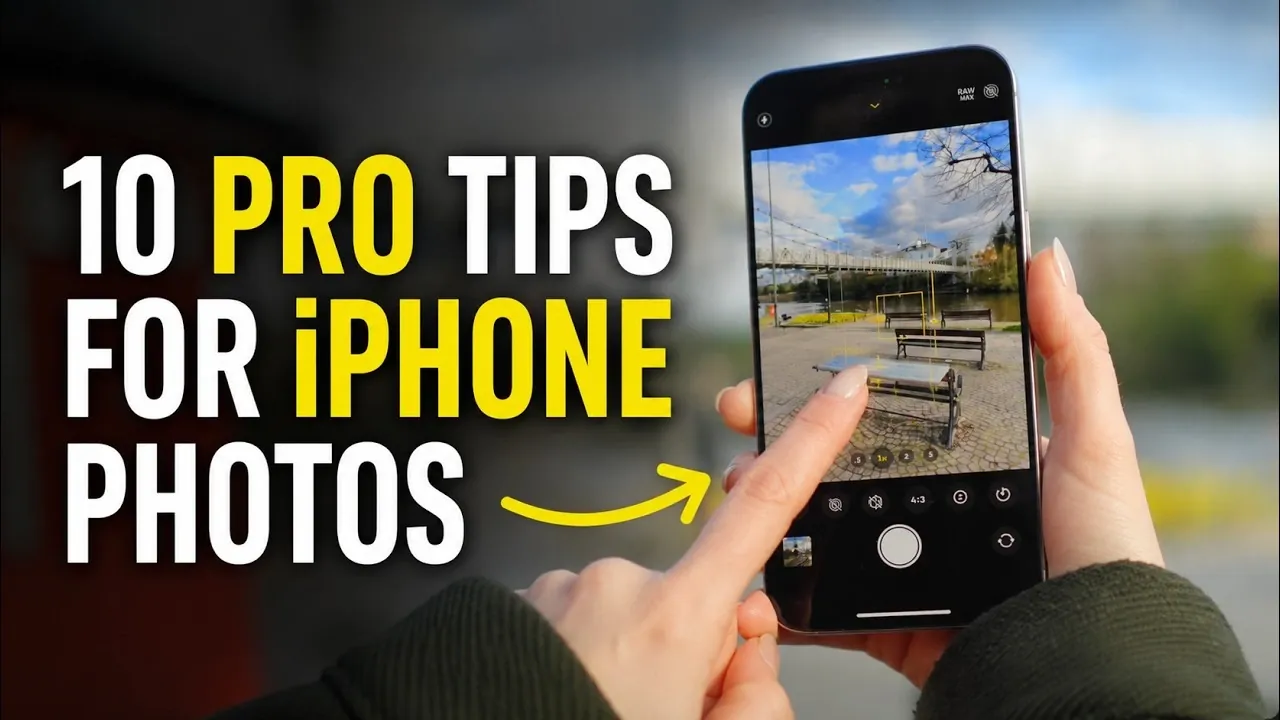
Capturing professional-quality photos with your iPhone is more achievable than ever. With the right techniques, tools, and foundational knowledge, you can elevate your photography skills and create striking images. Whether you’re just starting out or already experienced, these tips will help you unlock the full potential of your iPhone camera and take your photography to the next level. The video below from iPhone Photography School gives us more details.

Take Control with Manual Settings
To achieve greater precision and creativity in your photos, explore manual controls such as ISO, shutter speed, focus and white balance. While the default camera app offers limited options, third-party apps like Halide or ProCamera provide advanced features that allow you to fine-tune these settings.
– ISO: A lower ISO reduces noise in bright conditions, while a higher ISO is useful in low light but may introduce grain. Adjusting ISO helps you balance clarity and brightness.
– Shutter Speed: Use faster shutter speeds to freeze motion, such as capturing a bird in flight, or slower speeds for long exposures, like creating light trails or silky water effects.
Experimenting with these controls gives you greater flexibility and helps you capture images exactly as you envision them. Mastering manual settings is a key step in transitioning from casual snapshots to professional-quality photography.
Master Photography Basics
Understanding the fundamentals of photography is essential for creating compelling images, regardless of the device you use. Focus on these core principles to improve your skills:
– Composition: Apply the rule of thirds to frame your subject effectively or use leading lines to guide the viewer’s eye through the image. Symmetry and patterns can also add visual interest.
– Lighting: Soft, natural light, such as during golden hour, enhances your photos by creating warm tones and gentle shadows. Avoid harsh midday light, which can create unflattering contrasts.
– Exposure: Balance highlights and shadows to ensure your subject is well-lit without losing important details. Adjust exposure manually to achieve the desired effect.
By mastering these basics, you’ll create images that are both visually appealing and technically sound. These principles form the foundation of all great photography.
Expand Your Creativity with Third-Party Apps
Third-party apps can significantly enhance your iPhone’s capabilities, allowing you to explore advanced techniques and creative possibilities. These tools go beyond the default camera app and open up new opportunities for experimentation:
– Slow Shutter Cam: Ideal for capturing long exposures, such as motion blur, light trails, or smooth water effects. This app is perfect for adding an artistic touch to your photos.
– Lapse It Pro: A powerful tool for creating time-lapse videos that showcase movement over time, such as clouds drifting across the sky or bustling city streets.
These apps allow you to push the boundaries of what your iPhone camera can achieve. By incorporating them into your workflow, you can expand your creative horizons and produce unique, eye-catching images.
Boost Your Setup with Accessories
Enhancing your photography setup with a few well-chosen accessories can make a significant difference in the quality of your photos. These tools are designed to complement your iPhone and help you achieve professional results:
– Mini Tripod: Provides stability for long exposures, time-lapses, or low-light shots. Look for flexible models that can adapt to uneven surfaces or unconventional angles.
– Clip-On Lenses: Expand your camera’s capabilities with wide-angle, macro, or telephoto lenses. These lenses allow you to capture a variety of perspectives and details.
– Reflectors and Diffusers: Reflectors bounce light onto your subject, brightening shadows, while diffusers soften harsh light for a more balanced and natural look.
These lightweight and portable tools are invaluable for photographers on the go. Investing in the right accessories can elevate your photography and help you achieve your creative vision.
Plan Around Lighting and Weather
Lighting is one of the most critical factors in photography. Planning your shoots around the available light and weather conditions can dramatically improve your results. Use apps like Sun Surveyor or PhotoPills to track the sun’s position and plan accordingly. Here’s how to make the most of different lighting conditions:
– Overcast Days: Provide soft, even lighting that minimizes harsh shadows and creates a neutral tone, ideal for portraits or macro photography.
– Golden Hour: Offers warm, diffused light that enhances colors, textures and depth. This is often considered the best time for outdoor photography.
– Reflections: Use reflective surfaces like water, glass, or polished floors to add depth and interest to your shots. Reflections can create symmetry and unique compositions.
By understanding and adapting to the available light, you can capture photos that stand out and convey the mood or atmosphere you’re aiming for.
Enhance Your Photos with Editing
Post-processing is a crucial step in creating polished, professional-quality images. Editing allows you to refine your photos, correct imperfections and enhance their overall impact. Apps like Adobe Lightroom, Snapseed and Photoshop offer powerful tools for this purpose:
– Tone Curves: Adjust contrast and brightness to create a balanced look that highlights your subject.
– HSL Adjustments: Fine-tune individual colors to match your creative vision or correct color imbalances.
– Selective Editing: Use masking tools to enhance specific areas of your photo without affecting the entire image.
Aim for subtle adjustments that enhance your photo without making it look over-processed. A natural finish often yields the most professional results and ensures your images remain timeless.
Focus on Skill Over Gear
While technology can enhance your photography, your creativity and skills are the most important factors in creating stunning images. Avoid relying solely on the latest iPhone model or advanced apps. Instead, prioritize:
– Practicing regularly to refine your techniques and develop your eye for detail.
– Learning new methods and experimenting with different styles to expand your creative repertoire.
– Revisiting locations under varying conditions to discover new perspectives and opportunities.
With dedication and effort, you can create incredible photos, regardless of your equipment. Your vision, creativity and persistence are what truly set your work apart.
Advance your skills in iPhone photography tips by reading more of our detailed content.
Source & Image Credit: iPhone Photography School
Disclosure: Some of our articles include affiliate links. If you buy something through one of these links, Geeky Gadgets may earn an affiliate commission. Learn about our Disclosure Policy.
