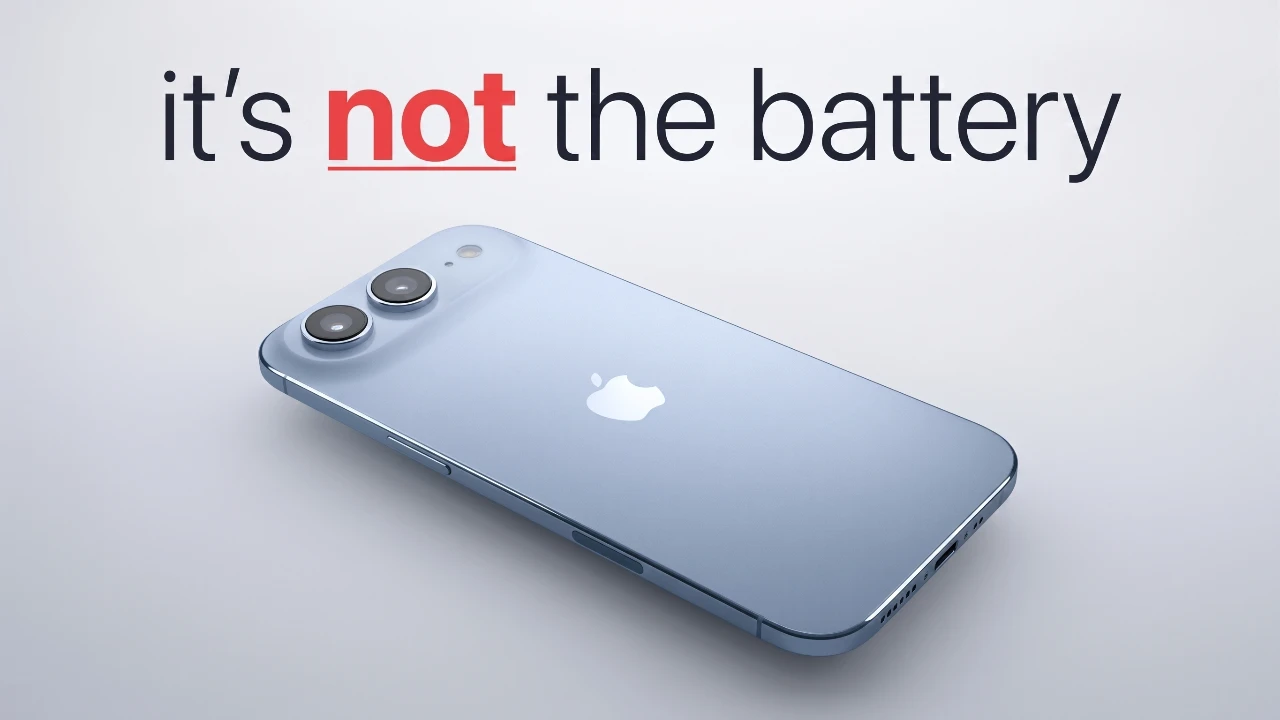
The iPhone Air 2 is shaping up to be a significant advancement in Apple’s ultra-thin smartphone lineup. Leaks and rumors suggest that this device will introduce a dual-camera system, an innovative 2nm chip, and enhanced battery efficiency. These upgrades aim to address shortcomings of its predecessor while delivering a more versatile and premium experience. Apple seems to be focusing on a balance between design, performance, and functionality, positioning the iPhone Air 2 as a strong contender in the highly competitive smartphone market.

Dual-Camera System: A New Era for Photography
One of the most anticipated features of the iPhone Air 2 is its rumored dual-camera setup, marking a significant leap from the single-camera design of the original iPhone Air. This new system is expected to include:
- A 48MP main camera designed to capture sharp, detailed images with remarkable clarity.
- A 48MP ultra-wide lens for expansive shots, offering users creative flexibility for landscapes, group photos, and more.
This upgrade is tailored to meet the needs of users who prioritize high-quality photography in a variety of scenarios. Whether capturing close-up details or wide-angle landscapes, the dual-camera system is engineered to deliver professional-grade results, making it a compelling choice for photography enthusiasts and casual users alike.
Next-Gen Performance: The Power of a 2nm Chip
At the heart of the iPhone Air 2 lies Apple’s next-generation A20 or A20 Pro chip, built on an advanced 2nm process. This technological leap is expected to deliver:
- Faster processing speeds, allowing seamless multitasking, smoother gaming experiences, and quicker app launches.
- Improved energy efficiency, which extends battery life without compromising performance.
The 2nm architecture represents a significant step forward in chip design, allowing for optimized power consumption even during demanding tasks. This ensures that the iPhone Air 2 not only performs at a high level but also remains efficient and reliable for users who require both speed and longevity in their devices.
Design Evolution: Ultra-Thin Meets Functionality
Apple has retained the signature ultra-thin design of the Air series while incorporating key enhancements to accommodate new features. The addition of a second camera necessitated internal redesigns, including adjustments to the Face ID system. Despite these changes, the iPhone Air 2 maintains its sleek and lightweight profile, continuing to be one of the thinnest smartphones on the market.
The device’s titanium construction, first introduced in the original Air, remains a cornerstone of its design, offering:
- A premium, lightweight feel that enhances portability.
- Enhanced durability, making sure the phone can withstand everyday use while maintaining its elegant appearance.
This combination of form and function ensures that the iPhone Air 2 is not only visually appealing but also practical for daily use, making it a standout option for users who value both style and substance.
Battery Efficiency: Longer Life, Same Slim Design
Battery life has often been a challenge for ultra-thin smartphones, but the iPhone Air 2 is expected to address this issue effectively. By using the energy efficiency of the A20 chip and the advanced 2nm process, Apple has reportedly optimized the device for extended usage.
This improvement means users can rely on the iPhone Air 2 for longer periods without sacrificing its slim and lightweight design. Whether for work, entertainment, or travel, the enhanced battery life ensures the device remains a dependable companion throughout the day.
Pricing and Launch: What to Expect
The iPhone Air 2 is rumored to debut in spring 2027, launching alongside the iPhone 18 and iPhone 18e. While leaks suggest a modest $50 price increase over its predecessor, this adjustment is relatively restrained compared to industry trends.
Apple’s pricing strategy reflects an effort to position the iPhone Air 2 as a competitive option in the premium smartphone market. By offering advanced features without a dramatic cost hike, the company aims to attract a broad range of users seeking a high-performance device at a reasonable price point.
Market Positioning: Addressing Past Criticisms
The iPhone Air 2 appears to be Apple’s response to feedback on the original Air. By introducing a dual-camera system, enhancing performance with a 2nm chip, and improving battery efficiency, the company has created a device that balances portability with premium features.
This approach positions the iPhone Air 2 as an attractive option for users who want a high-performance smartphone that doesn’t compromise on style or functionality. Apple’s focus on addressing past criticisms demonstrates its commitment to refining the Air series and meeting the evolving needs of its customers.
A Promising Evolution for Ultra-Thin Smartphones
The iPhone Air 2 represents a thoughtful evolution of Apple’s Air series, combining innovative technology with a sleek, ultra-thin design. From its advanced dual-camera system to the powerful 2nm chip, the device is engineered to deliver a superior user experience.
As the spring 2027 launch approaches, the iPhone Air 2 is poised to make a strong impression in the smartphone market. By addressing past criticisms and introducing meaningful upgrades, Apple has created a device that sets new standards for ultra-thin smartphones, appealing to users who demand both performance and elegance.
Enhance your knowledge on iPhone Air 2 by exploring a selection of articles and guides on the subject.
- Forget Slim, Think Efficient: iPhone Air 2 Leaks Reveal a New Era of Battery Tech
- The iPhone Air 2 Might Actually Be Apple’s Most Perfect Design Yet
- The iPhone Air 2 Leak: Is it Finally Worth the Price Tag?
- The iPhone Air 2 Just Leaked and Apple Is Fixing the Original’s Biggest Flaw
- New iPhone Air 2 Leaks Reveal Why Apple’s Strategy Finally Makes Sense
Source & Image Credit: Demon’s Tech
Disclosure: Some of our articles include affiliate links. If you buy something through one of these links, Geeky Gadgets may earn an affiliate commission. Learn about our Disclosure Policy.
