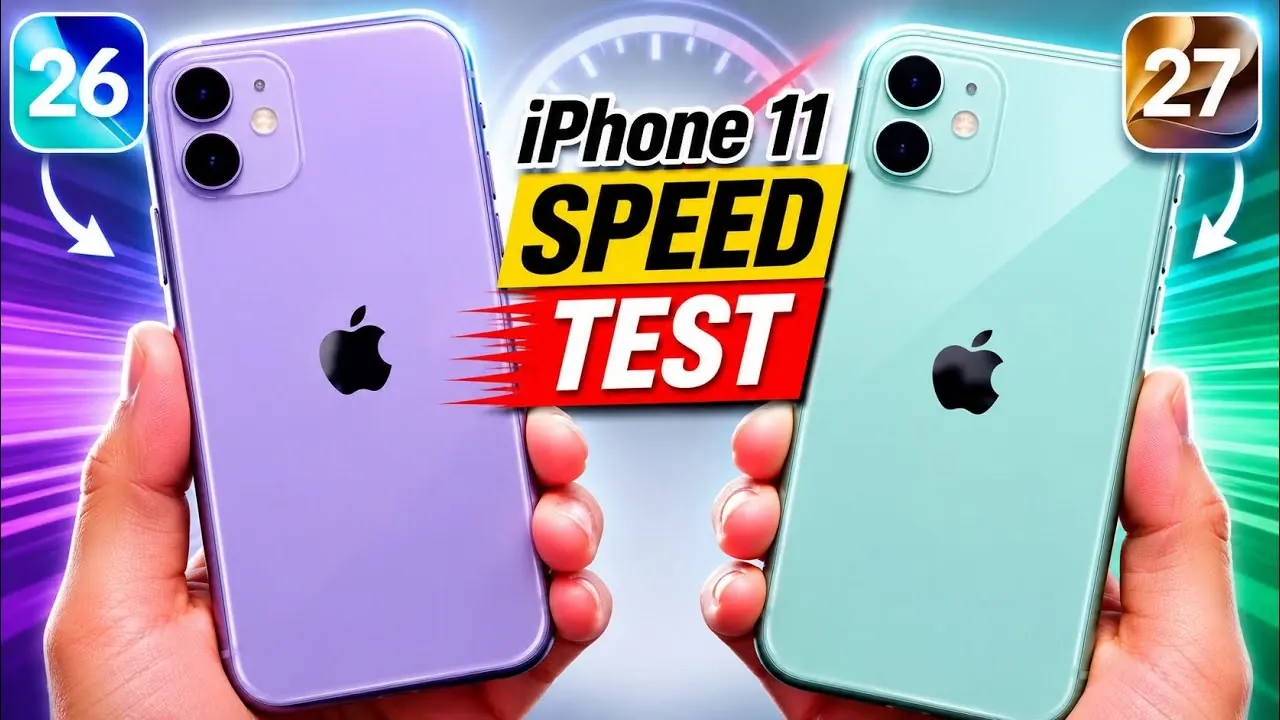
Apple’s iOS 27, currently in beta as of June 2026, introduces a series of performance-focused updates aimed at enhancing the functionality of older devices like the iPhone 11 and iPhone SE (2nd generation). With promises of faster app launches, quicker photo loading, and significantly improved AirDrop speeds, this update seeks to extend the usability of devices that are up to seven years old. However, a detailed comparison with its predecessor, iOS 26, reveals both the potential benefits and some areas where expectations may need to be tempered. The video below from iDeviceHelp gives us a look at iOS 26 and 27 on the iPhone 11.

Device Compatibility: Extending the Lifespan of Older Hardware
Apple continues to prioritize backward compatibility with iOS 27, making sure that older devices remain relevant and functional. This strategy is particularly beneficial for users who rely on aging hardware but still demand a responsive and dependable operating system. By optimizing performance for models like the iPhone 11, Apple reinforces its commitment to providing a seamless user experience across its ecosystem, even for devices nearing the end of their lifecycle.
For users of older devices, this compatibility means they can access the latest features and security updates without needing to upgrade their hardware. This approach not only supports sustainability but also ensures that users can maximize the value of their devices over time.
Performance Enhancements: Promises and Practical Outcomes
Apple has made bold claims about the performance improvements in iOS 27, including up to 30% faster app launches, 70% quicker photo loading and an 80% increase in AirDrop transfer speeds. While these figures are impressive on paper, real-world testing provides a more nuanced perspective on how these enhancements translate into everyday use. Key areas of performance include:
- App Launch Speed: iOS 27 delivers consistent improvements in app launch times compared to iOS 26. While the gains are not dramatic, they contribute to a smoother and more fluid user experience, particularly for frequently used apps.
- Photo Loading Speed: The Photos app benefits from slightly faster loading times, which is particularly noticeable for users with extensive photo libraries. This improvement, though incremental, enhances the overall usability of the app during daily interactions.
- AirDrop Transfer Speed: AirDrop sees the most significant improvement, with large file transfers completing noticeably faster. This is a valuable enhancement for users who regularly share media or documents between devices, streamlining workflows and saving time.
While these enhancements are meaningful, they are not fantastic. Instead, they represent incremental steps toward improving the overall user experience, particularly for those who rely on older devices.
Low Power Mode and Boot-Up Performance
Low power mode, a critical feature for users managing battery life on aging devices, receives notable attention in iOS 27. The update reduces lag and ensures smoother operation when battery-saving features are enabled. This improvement is particularly useful for users who need to extend their device’s usability during periods of low charge, making it easier to perform essential tasks without significant performance sacrifices.
However, boot-up performance tells a slightly different story. In its current beta state, iOS 27 exhibits a minor lag in boot times compared to iOS 26. While the difference is small and unlikely to impact daily use significantly, it highlights an area where further optimization may be needed before the final release. This discrepancy underscores the importance of continued refinement during the beta testing phase to ensure a polished final product.
Benchmark Insights: Evaluating Single-Core and Multi-Core Performance
Benchmark tests provide valuable insights into the performance dynamics of iOS 27. Single-core performance shows a slight improvement over iOS 26, reflecting Apple’s focus on optimizing individual tasks and processes. This improvement is particularly relevant for everyday activities such as browsing, messaging and app usage, where single-core efficiency plays a significant role.
In contrast, multi-core performance remains largely unchanged. This suggests that iOS 27 prioritizes incremental gains in routine tasks rather than introducing major architectural changes. While this approach may not deliver new results, it ensures stability and reliability, which are critical for users of older devices.
Refining the Experience for Legacy Devices
iOS 27 represents a meaningful step forward for older devices like the iPhone 11, delivering tangible improvements in key areas such as app launch speed, photo loading and AirDrop transfers. These enhancements, while not innovative, contribute to a smoother and more responsive user experience, particularly for those who rely on aging hardware.
However, certain aspects, such as boot-up speed and multi-core performance, remain relatively unchanged, highlighting areas where further refinement could enhance the overall experience. As iOS 27 progresses beyond its beta phase, additional updates and optimizations are likely to address these limitations, solidifying its value as an upgrade for users seeking to extend the life of their legacy devices. For those who prioritize stability, usability and incremental improvements, iOS 27 offers a compelling reason to stay within the Apple ecosystem.
Browse through more resources below from our in-depth content covering more areas on ios 27.
- iOS 27 Leaks Reveal the End of an Era: Apple’s New Priorities Confirmed
- iOS 27 Could Be Apple’s ‘Snow Leopard’ Moment—Focusing on One Huge Change
- Siri 2.0 vs. Old Siri: Is It Worth Upgrading Your iPhone for iOS 27?
- The iOS 27 Compatibility Shock: Every iPhone That Will (and Won’t) Get the 2026 Update
- Apple Just Gave Us Our First Look at iOS 27—and It Changes Siri Forever
- First Look at the iOS 27 Siri Redesign Before WWDC 2026
Source & Image Credit: iDeviceHelp
Disclosure: Some of our articles include affiliate links. If you buy something through one of these links, Geeky Gadgets may earn an affiliate commission. Learn about our Disclosure Policy.
