At its San Francisco launch, Dreame showed how far it’s willing to stretch the definition of a consumer tech company.
At the opening day of its DREAME NEXT event in San Francisco, the tech company introduced the Nebula NEXT 01 JET Edition, a rocket-powered electric vehicle that claims a 0-to-100 km/h time of just 0.9 seconds. That number alone puts it in a category that doesn’t really exist yet.
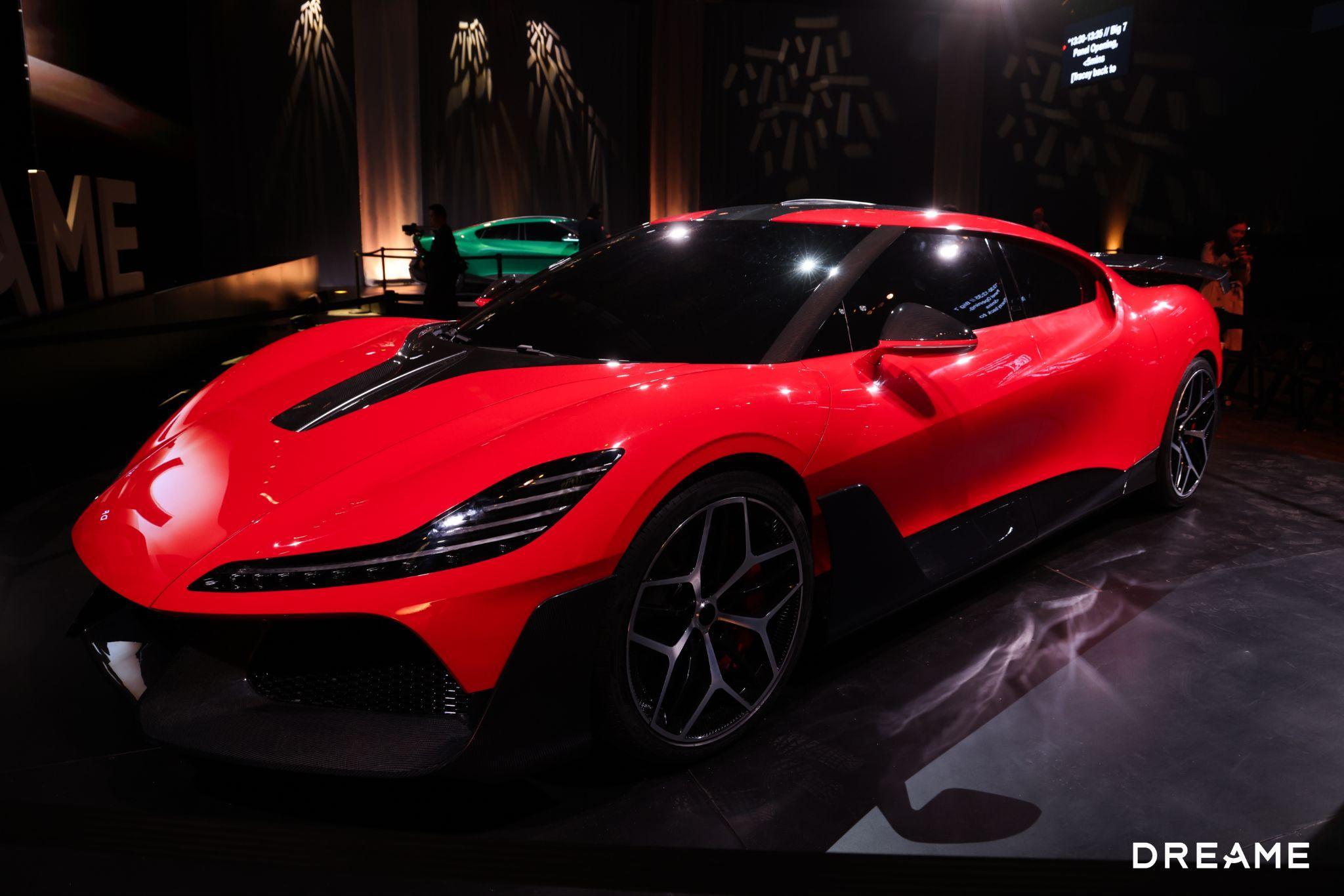
The more interesting part of the announcement isn’t just the impressive speed, but what the car represents. Because if you’ve been following Dreame, you’ll know this probably isn’t just about building a car. It’s applying the same engineering logic the company used to dominate home appliances, and scaling it into new industries.
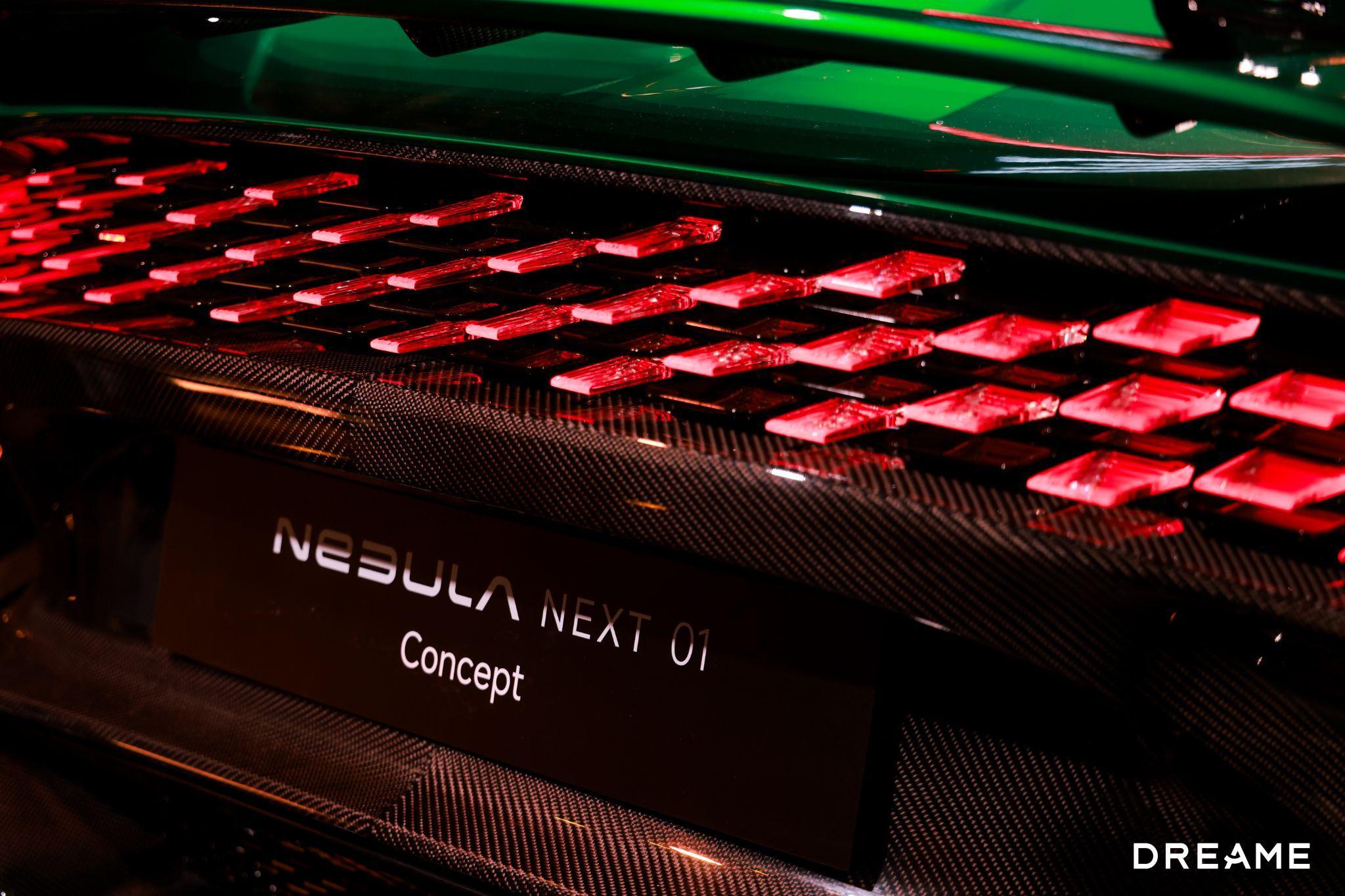
The Nebula NEXT 01 JET Edition is exactly what it sounds like: an electric vehicle augmented with a dual solid-fuel rocket booster system that can achieve 1,903 horsepower. According to Dreame, the system responds in 150 milliseconds, delivers 100 kN of peak thrust, and works alongside a dual electric powertrain to create a hybrid propulsion model that’s pushing the limits of acceleration.
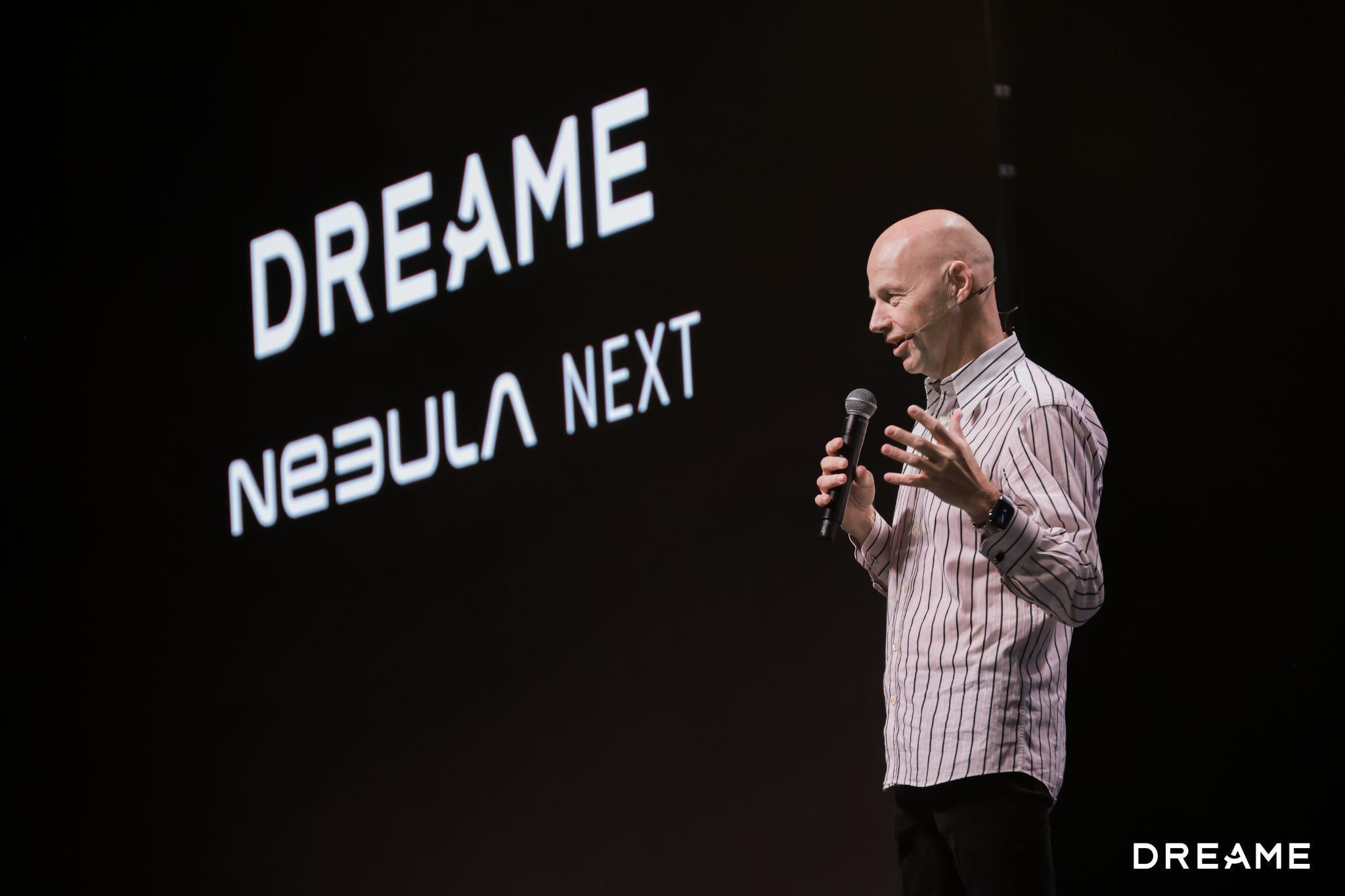
That’s not something you’ll see in your next commuter car, but it does signal how Dreame is approaching mobility. Even Sebastian Thrun, widely regarded as the “father of autonomous driving,” seemed caught off guard, as he expressed excitement during his keynote speech. That kind of reaction says a lot coming from someone who helped define the modern autonomous vehicle landscape.
As flashy as the rocket boosters are, the more important reveal might be Dreame’s new LiDAR system. Called the DHX1, it’s designed to move beyond traditional point-cloud perception, the standard way most autonomous systems “see” the world, and into something closer to image-level sensing. In practical terms, that means detecting smaller objects at greater distances, interpreting road-surface conditions such as potholes and debris, and tracking subtle movements of pedestrians or cyclists. It’s a step toward making autonomous driving more like real-time understanding, which could prove to be very important for future perception adoption.
And it pairs with Dreame’s broader autonomous driving stack, which includes a new VLA (Vision-Language-Action)- based architecture and world models that aim to integrate perception and decision-making more fluidly. In other words, Dreame is building a system that tries to connect sensing, reasoning, and motion into a single loop.
Dreame is still best known globally for its consumer tech products. But internally, the company frames itself very differently: a technology platform built on motors, algorithms, and robotics. The same engineering that enables Dreame’s high-speed digital motors, which can push up to 200,000 RPM in consumer devices, is now being applied to automotive systems.
And according to the company, this isn’t a sudden pivot.
The Nebula program dates back to early research conducted by founder Yu Hao at Tsinghua University, where autonomous systems were already a focus of the team’s work. The car you see now is the result of a long-delayed direction.
Because Dreame’s argument is simple: If you control the core technologies, you can apply them anywhere.
The Nebula NEXT 01 JET Edition is only one part of DREAME NEXT, which runs through April 30. Across the rest of the event, Dreame is showcasing everything from smart home appliances to personal devices and AI-driven ecosystems. The idea is to present a connected technology ecosystem spanning multiple aspects of daily life.
So, will you ever drive this? Probably not anytime soon. Like many concept vehicles, the Nebula NEXT 01 JET Edition is as much a statement as it is a product. It’s designed to show what’s possible and the amazing tech underneath, not necessarily what’s next for mass production.
But that doesn’t make it irrelevant. If anything, it reveals how Dreame is thinking. It made a case that the boundaries between industries, home, mobility, and AI are starting to blur, and that companies willing to move across them might define what comes next.
Disclosure: Some of our articles include affiliate links. If you buy something through one of these links, Geeky Gadgets may earn an affiliate commission. Learn about our Disclosure Policy.
