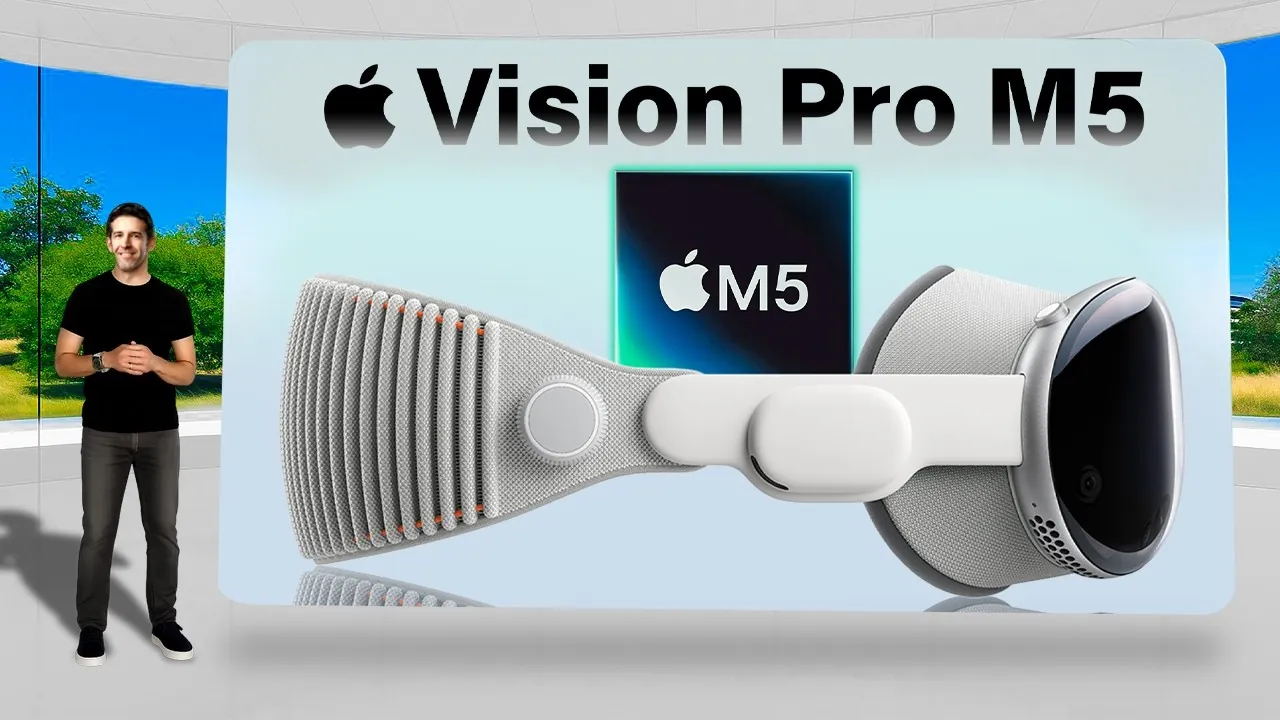
Apple’s Vision Pro 2, the highly anticipated successor to its first mixed-reality headset, is rumored to debut in late 2025. While the external design and premium price tag are expected to remain consistent with the original model, significant internal upgrades could redefine the way you experience augmented and virtual reality (AR/VR). These enhancements are projected to improve performance, efficiency, and functionality, potentially setting new standards in the AR/VR industry. The video below from Matt Talks Tech gives us more details about the rumored Apple Vision Pro 2.

Vision Pro: A Bold Beginning with Challenges
The original Vision Pro, unveiled at WWDC 2023, marked Apple’s ambitious entry into the AR/VR market. Packed with advanced features such as the M2 and R1 chips, precise eye-tracking, motion control, and an ultra-high-resolution display, it promised an immersive mixed-reality experience. However, its steep $3,500 price tag created a barrier, limiting its accessibility to a niche audience of tech enthusiasts, developers, and professionals. Despite this, Apple began a gradual global rollout in early 2024, signaling its commitment to establishing a foothold in this emerging technology sector.
While the Vision Pro showcased Apple’s technological prowess, it also highlighted key limitations, including its high cost and relatively short battery life. These challenges underscored the need for further innovation to make the device more practical and appealing to a broader audience.
What’s New in Vision Pro 2?
The Vision Pro 2 is expected to build on the foundation of its predecessor with a range of internal upgrades aimed at enhancing the overall user experience. Rumored improvements include:
- Next-Generation Chips: The inclusion of the M5 chip is anticipated to deliver faster processing speeds, improved energy efficiency, and enhanced performance. Additionally, an upgraded R2 chip could refine eye-tracking and motion control, allowing smoother and more intuitive interactions.
- Enhanced Memory and Processing Power: Configurations featuring 16GB and 24GB of RAM, coupled with upgraded CPU and GPU cores, are expected to support more demanding applications, ensuring a seamless and responsive user experience.
- Improved Battery Life: Optimizations in power management could extend usage time, addressing one of the most significant limitations of the first-generation model.
- Refined Display Technology: Rumors suggest advancements in display resolution and refresh rates, which could further enhance visual clarity and reduce motion sickness for users.
These upgrades aim to position the Vision Pro 2 as a more versatile tool for work, entertainment, and creative projects. By addressing some of the shortcomings of the original model, Apple seeks to broaden the device’s appeal to both professionals and tech-savvy consumers.
Release Timeline and Market Challenges
Industry insiders predict a late 2025 launch for the Vision Pro 2, potentially in October, aligning with Apple’s typical product release schedule. However, delays into 2026 remain a possibility due to the complexity of the technology and ongoing supply chain challenges. The global semiconductor shortage and the intricate manufacturing processes required for AR/VR components could impact the timeline.
Despite the anticipated technical advancements, the Vision Pro 2 is expected to retain its predecessor’s premium price point. This could limit its adoption among mainstream consumers, especially as competitors continue to introduce more affordable AR/VR alternatives. Apple’s pricing strategy positions the Vision Pro as a luxury product, but it also restricts its market reach, leaving room for competitors to capture a larger share of the growing AR/VR market.
Expanding Apple’s AR/VR Ecosystem
To address the challenges of high pricing and limited adoption, Apple is reportedly exploring the development of a more affordable variant of the Vision Pro. Such a device could make mixed-reality technology accessible to a wider audience, potentially accelerating the adoption of AR/VR in everyday life. By offering a range of products at different price points, Apple could strengthen its position in the competitive AR/VR landscape.
Additionally, advancements in neural cores, similar to those found in Apple’s A19 Pro chip, could further enhance the performance of future models. These improvements, combined with Apple’s robust ecosystem of devices and services, could create a seamless and integrated user experience. Features such as cross-device compatibility with iPhones, iPads, and Macs could make the Vision Pro 2 an indispensable tool for productivity and entertainment.
The Future of Mixed-Reality Technology
The Vision Pro 2 represents a significant step forward in Apple’s AR/VR ambitions. With rumored upgrades in processing power, memory, and user interaction, it promises to deliver a more refined and efficient mixed-reality experience. However, its high price and the challenges of market adoption remain critical hurdles that Apple must address to achieve widespread success.
As the AR/VR market continues to evolve, the Vision Pro 2 could play a pivotal role in shaping the future of immersive technology. Whether it meets its late 2025 release window or faces delays, its impact on the industry is likely to be substantial. By pushing the boundaries of what mixed-reality devices can achieve, Apple is positioning itself as a leader in this rapidly growing field. For now, the Vision Pro 2 remains a product to watch, offering a glimpse into the exciting possibilities of immersive technology.
Take a look at other insightful guides from our broad collection that might capture your interest in Vision Pro 2.
- Apple Vision Pro 2: Features, Release Date, and Price
- Apple Vision Pro 2: The Journey Begins – Initial Details Revealed
- Is Apple REALLY Launching a $1999 Vision Pro 2?
- Apple Vision Pro 2 and Vision Air: Features, Release and Pricing
- Apple Vision Pro 2 Price DROP? Apple’s Secret Plan Revealed
Source & Image Credit: Matt Talks Tech
Disclosure: Some of our articles include affiliate links. If you buy something through one of these links, Geeky Gadgets may earn an affiliate commission. Learn about our Disclosure Policy.
