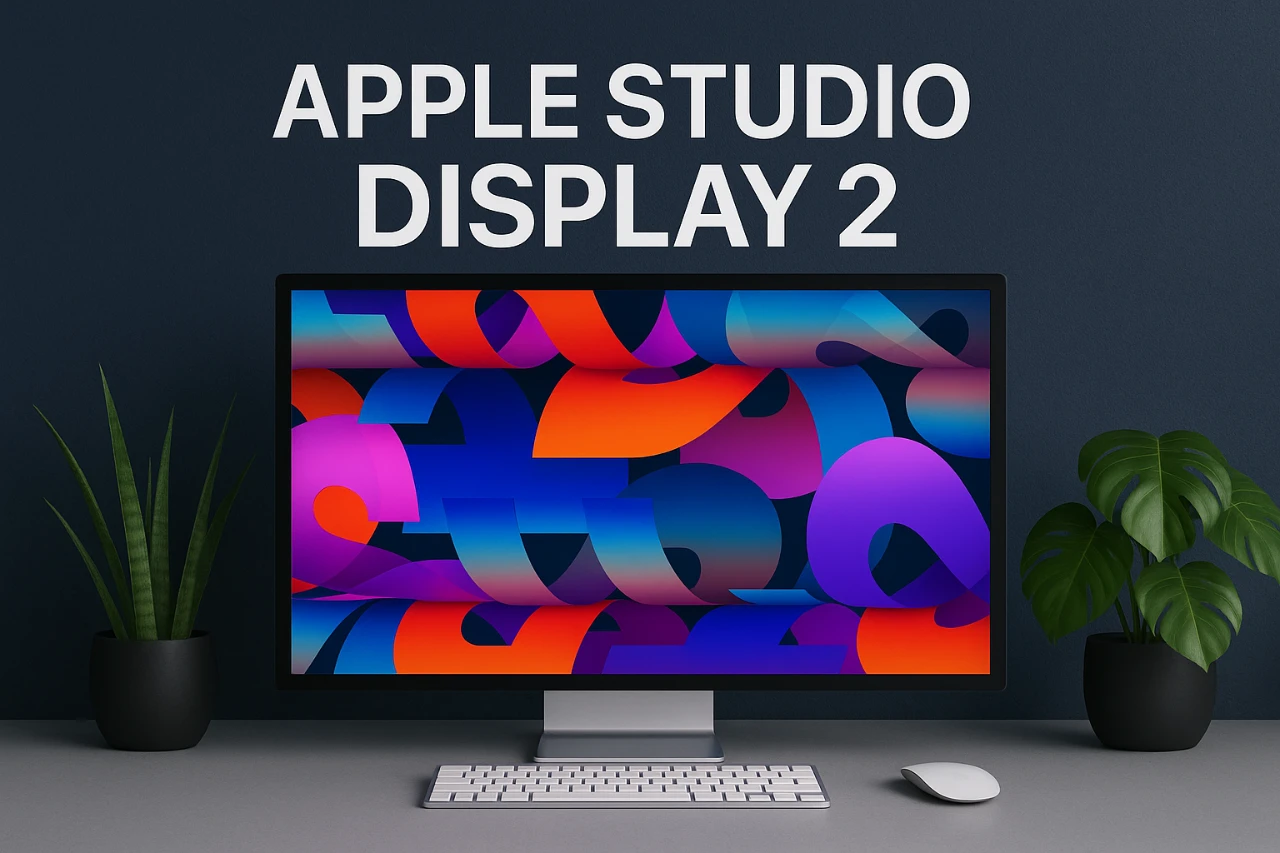
Apple is reportedly gearing up to release the Studio Display 2, a highly anticipated successor to its 2022 Studio Display, by late 2025 or early 2026. This new iteration is expected to address the shortcomings of its predecessor while introducing advanced features designed to cater to both creative professionals and everyday Mac users. With improvements in display technology, refresh rates, and ergonomic design, the Studio Display 2 has the potential to solidify Apple’s position in the competitive monitor market. The video below from SaranByte gives us more details on the rumored Apple Studio Display 2.

Mini-LED Technology: Enhancing Visual Performance
One of the standout upgrades in the Studio Display 2 is the rumored inclusion of Mini-LED technology, a significant leap from the LCD panel used in the original model. This advanced display technology is expected to deliver superior contrast ratios, deeper blacks, and enhanced HDR performance. These improvements are particularly beneficial for tasks requiring precise color accuracy, such as video editing, graphic design, and photography.
Mini-LED technology also supports higher brightness levels, ensuring excellent visibility in various lighting conditions. Whether you’re working on intricate designs or enjoying high-resolution media, this upgrade promises a more immersive and visually striking experience. For professionals and casual users alike, the enhanced visual precision could redefine expectations for display quality.
Higher Refresh Rates: Smoother Visuals and Improved Workflow
The Studio Display 2 is rumored to feature a refresh rate of up to 90 Hz, a notable improvement over the 60 Hz refresh rate of its predecessor. This enhancement would result in smoother animations, reduced motion blur, and a more fluid overall user experience. For professionals in fields like video editing, animation, or gaming, the higher refresh rate could significantly improve precision and workflow efficiency.
Additionally, the increased refresh rate may help reduce eye strain during prolonged use, making the display more comfortable for extended work sessions. Whether you’re editing videos, creating animations, or simply navigating through your daily tasks, a smoother performance could enhance both productivity and user satisfaction.
Screen Size and Resolution: Expanding Workspace and Clarity
Apple is expected to offer the Studio Display 2 in two size options: a 27-inch standard model and a larger 32-inch version with 6K resolution. These options cater to a wide range of users, from those who prefer a compact setup to professionals who require more screen real estate for multitasking or detailed creative projects.
The 6K resolution ensures sharper, more lifelike visuals, allowing users to view their work with exceptional clarity. This level of detail is particularly valuable for tasks like photo editing, 3D modeling, and video production. Whether you’re managing multiple windows or fine-tuning intricate designs, the expanded screen size and resolution could enhance both productivity and comfort.
Ergonomic Design: Prioritizing User Comfort
Ergonomics is another area where the Studio Display 2 is expected to see significant improvements. Apple may include a fully adjustable stand as part of the base package, addressing criticisms of the original model, which required users to purchase an expensive stand separately for adjustability. Alternatively, Apple might offer modular stand options to accommodate different user preferences.
A more ergonomic design would allow users to customize the monitor’s height, tilt, and rotation, reducing physical strain during long work sessions. This focus on comfort and adaptability makes the Studio Display 2 a more practical choice for professionals who spend extended hours at their desks.
Integrated Features: Smarter Functionality for Modern Needs
The Studio Display 2 is likely to include several integrated upgrades, making it a more versatile tool for both professional and personal use. Enhancements to the built-in webcam and speakers could improve video conferencing and multimedia experiences, ensuring high-quality audio and video performance.
Additionally, Apple may incorporate an A15 or A16 chipset, allowing advanced processing capabilities for features like image enhancement, spatial audio, and real-time adjustments. These improvements would allow the display to seamlessly integrate with the Mac ecosystem, offering a more cohesive and efficient user experience. Whether you’re collaborating on projects or enjoying entertainment, the upgraded features could add significant value.
Pricing Strategy: Balancing Premium Features with Value
Pricing will play a critical role in the Studio Display 2’s market reception. The original model faced criticism for its high cost relative to its features, but Apple appears to be addressing this feedback with the new release. By introducing meaningful upgrades such as Mini-LED technology, higher refresh rates, and improved ergonomics, Apple aims to justify the premium price tag of the Studio Display 2.
The company’s strategy likely involves positioning the monitor as a compelling choice in a market filled with third-party alternatives. By offering a balance of innovation and value, Apple seeks to attract both professionals and general users who prioritize quality and performance in their displays.
A Display Designed to Meet Modern Demands
The Apple Studio Display 2 represents a significant step forward in monitor technology, combining advanced features with a user-focused design. From Mini-LED technology and higher refresh rates to improved ergonomics and integrated capabilities, this display is tailored to meet the needs of creative professionals and general users alike. By addressing past criticisms and delivering substantial upgrades, Apple is positioning the Studio Display 2 as a strong contender in the premium monitor market.
Whether you’re a video editor, graphic designer, or someone who values exceptional display quality, the Studio Display 2 offers a compelling option. With its anticipated release on the horizon, this monitor could redefine what users expect from a high-performance display.
Uncover more insights about Mini-LED Display Technology in the previous articles we have written.
- 2025 MacBook Pro with M5 Chip: Features, Specs, and Pricing
- Everything We Know About the Apple Vision Air
- New 2024 Apple iPad Mini 7 Details Revealed
- Apple M4 iPad Pro vs M2 iPad Air: Specs Compared
- Apple’s WWDC 2025: 5 Innovative Products You Can’t Miss
Source & Image Credit: SaranByte
Disclosure: Some of our articles include affiliate links. If you buy something through one of these links, Geeky Gadgets may earn an affiliate commission. Learn about our Disclosure Policy.
