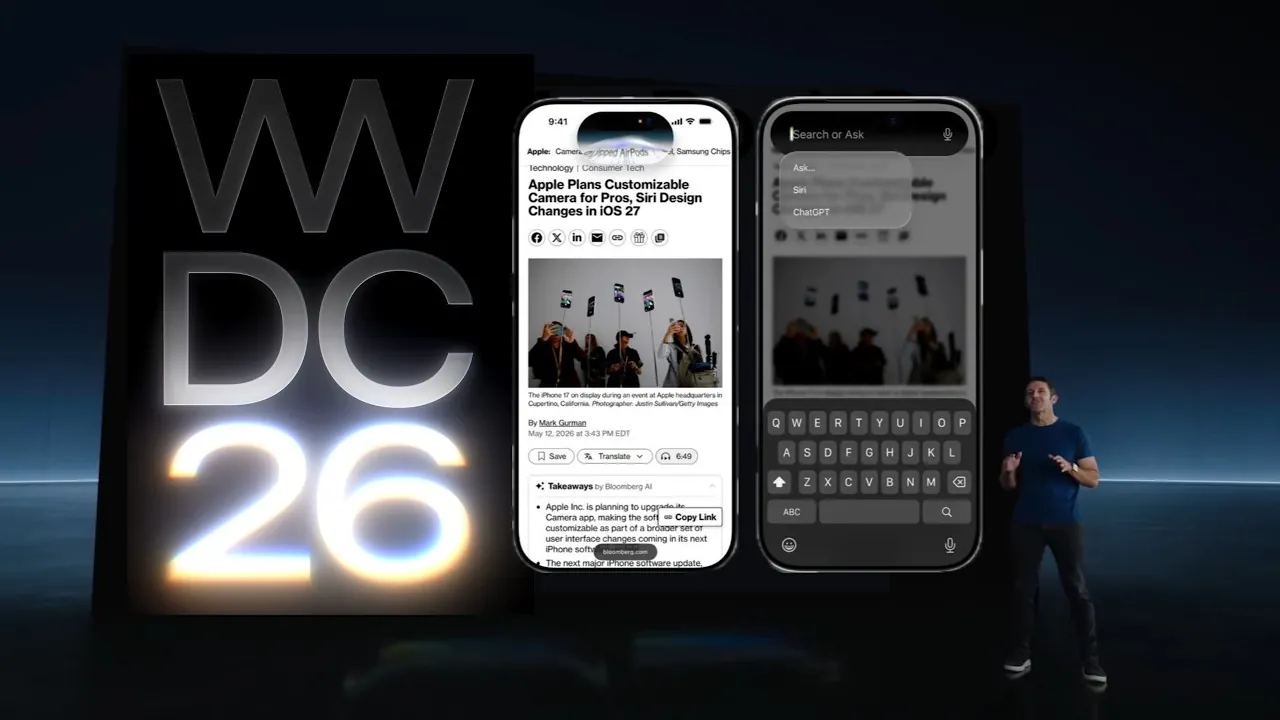
Apple is preparing to unveil a significant redesign of Siri, its voice assistant, at WWDC 2026. This update, expected to debut with iOS 27, represents a bold step forward in addressing long-standing criticisms of Siri’s capabilities. By incorporating advanced artificial intelligence (AI), enhanced contextual understanding and deeper integration with the Apple ecosystem, the new Siri aims to compete directly with conversational AI platforms like ChatGPT and Google Gemini. Positioned as a cornerstone of Apple’s announcements, this redesign reflects the company’s strategic focus on innovation and user-centric design. The video below from SaranByte gives us more details on Apple’s plans for WWDC 2026.
A Modern Chatbot-Style Interface
The upcoming Siri redesign introduces a chatbot-inspired interface that emphasizes intuitive and conversational interactions. This new design is tailored to enhance usability while maintaining a sleek, modern aesthetic. Key features of the interface include:
- A dark-themed design for a visually appealing and contemporary look.
- Text input options alongside traditional voice commands offer greater flexibility.
- Conversation history to ensure seamless continuity in interactions.
- Buttons for attachments and quick actions, streamlining common tasks.
Dynamic Island, a feature introduced in earlier iPhone models, will play a central role in Siri’s functionality. By integrating Siri into Dynamic Island, Apple aims to provide users with a non-intrusive, efficient way to perform tasks such as setting reminders, sending messages, or retrieving information. This approach highlights Apple’s commitment to blending AI capabilities seamlessly into its hardware and software ecosystem, making sure that Siri becomes a more integral part of daily workflows.
Smarter AI Features for Personalized Assistance
The redesigned Siri will use advanced AI technologies to deliver smarter, more personalized assistance. By analyzing user data such as calendars, locations and messages, Siri will offer tailored recommendations and execute tasks with improved accuracy. For example, when scheduling a meeting, Siri could suggest optimal times based on your availability and proximity to the meeting location.
Notable advancements include:
- Enhanced natural language processing, allowing Siri to understand and respond to more complex commands intuitively.
- Improved automations within the Shortcuts app, allowing users to create intricate workflows through conversational input rather than manual configuration.
- Conversational photo editing, where users can describe desired changes, such as removing objects or adjusting colors, and Siri will execute them accordingly.
These features aim to transform Siri from a basic voice assistant into a versatile tool capable of managing both routine tasks and creative projects. By focusing on context-aware interactions, Apple seeks to make Siri an indispensable part of its ecosystem.
AI-Driven Camera Enhancements
The camera app will also benefit from Siri’s AI-driven capabilities, introducing a dedicated Siri mode designed for advanced functionality. This mode will include:
- Real-time object recognition allows Siri to identify items and provide relevant information instantly.
- Reverse image searches to help users find similar products or related content online.
- Natural language queries allow users to ask Siri to analyze objects or suggest related resources effortlessly.
Additionally, the redesigned Siri will offer customizable controls for its camera features, catering to advanced users who seek greater flexibility. These widget-like options will allow users to tailor Siri’s camera functionalities to their specific needs, enhancing both convenience and creativity. By integrating AI into the camera app, Apple aims to provide a more interactive and intelligent photography experience.
Challenges on the Horizon
Despite the promise of significant improvements, the redesigned Siri faces potential challenges that could impact its reception. Apple is reportedly exploring paid subscription tiers for advanced AI features, which may limit access for some users. This monetization strategy could alienate customers who expect premium capabilities to be included as part of the Apple ecosystem.
Apple’s track record with AI features has also been inconsistent. Previous tools, such as notification summaries and cleanup features, have faced criticism for failing to meet user expectations. To succeed, Apple must ensure that the new Siri delivers on its promises and avoids repeating past missteps. The introduction of paid tiers, in particular, will require careful communication to avoid backlash and maintain user trust.
Apple’s Strategic Vision
The redesigned Siri represents a strategic move by Apple to strengthen its position in the competitive AI landscape. By integrating Siri more deeply into its ecosystem, Apple aims to create a seamless user experience that differentiates its products from those of competitors. To compete effectively with established platforms like ChatGPT and Google Gemini, Apple must deliver an AI assistant that is not only robust and reliable but also intuitive and user-friendly.
This update also reflects Apple’s commitment to addressing user feedback and rebuilding trust. With promises from previous WWDC events still fresh in users’ minds, the success of the new Siri will depend on Apple’s ability to meet expectations without delays or controversies. By focusing on practical applications and user-centric design, Apple seeks to redefine how users interact with AI within its ecosystem.
The Road Ahead
Apple’s redesigned Siri has the potential to transform the way users engage with AI across the Apple ecosystem. By emphasizing contextual understanding, natural language processing, and seamless integration, Apple aims to deliver a smarter, more intuitive assistant that enhances productivity and creativity. However, challenges such as the introduction of paid tiers and Apple’s inconsistent history with AI features could pose obstacles to widespread adoption.
As WWDC 2026 approaches, the spotlight will be on Apple to demonstrate that it can deliver a functional, innovative and trustworthy Siri experience. If successful, this redesign could mark a pivotal moment in Apple’s journey to redefine the role of AI in everyday life.
Source & Image Credit: SaranByte
Disclosure: Some of our articles include affiliate links. If you buy something through one of these links, Geeky Gadgets may earn an affiliate commission. Learn about our Disclosure Policy.
