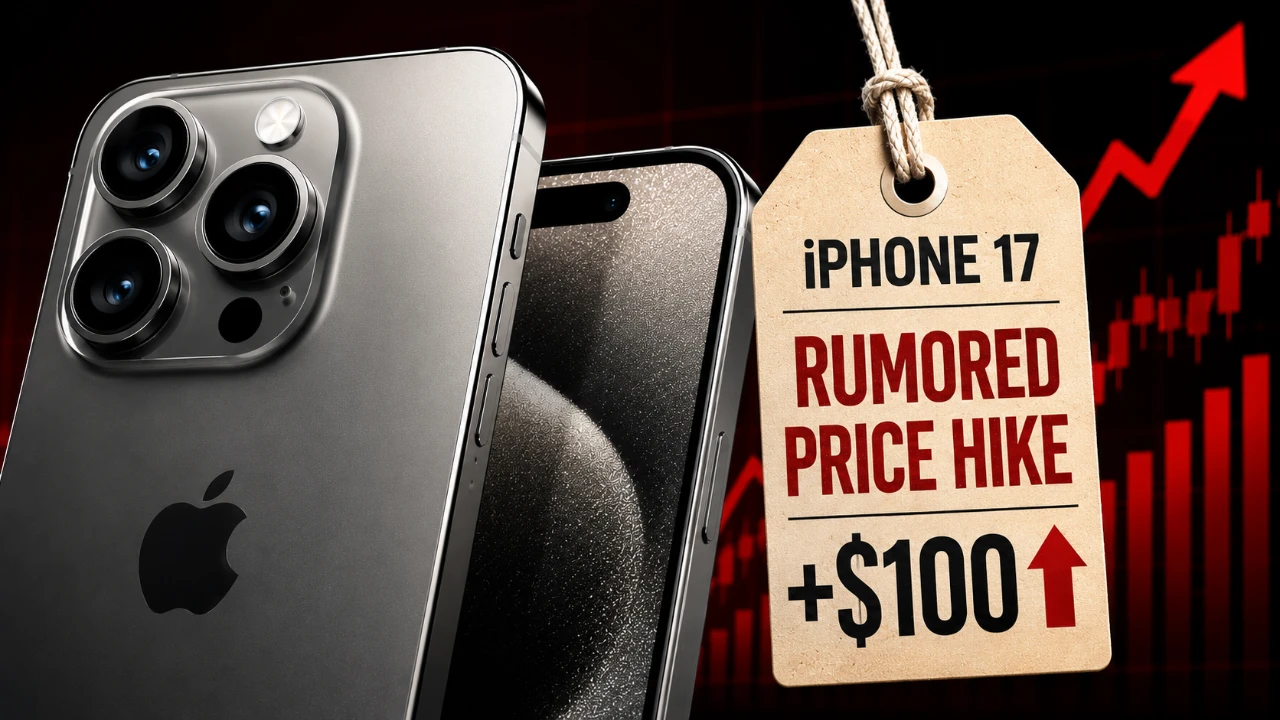
Apple has announced plans to increase the prices of its iPhone 17 series, citing a combination of a global RAM shortage and rising production costs. This decision marks a significant shift in the company’s pricing strategy and raises questions about the affordability of future devices. The move also underscores the growing influence of AI server farms on the tech industry, which are driving up demand for critical components like RAM. As these factors converge, consumers may face higher costs for premium devices, signaling broader implications for the market. The video below from SaranByte gives us more details.

Why RAM Shortages Are Driving Costs Higher
The global shortage of RAM is primarily driven by the rapid expansion of AI server farms. These facilities are essential for running advanced machine learning algorithms and processing vast amounts of data, requiring substantial memory resources. As AI technologies continue to grow, the demand for RAM has surged, tightening supply for consumer electronics. This imbalance has led to higher production costs across the industry. For Apple, the increased cost of RAM has created financial pressures that are now being passed on to consumers.
The iPhone 17 series, already positioned as a premium product, is expected to see price increases of approximately $100 per model. This adjustment reflects the broader challenges facing manufacturers as they navigate supply chain disruptions and rising material costs. For consumers, this means paying more for devices that were already considered high-end.
Breaking Tradition: Price Hikes for Existing Products
Apple’s decision to raise prices on an existing product line is a notable departure from industry norms. Typically, older models experience price reductions over time, making them more accessible to a wider audience. However, the current supply chain challenges have prompted Apple to take an unconventional approach. This shift highlights the unique pressures facing the tech industry today.
If you’re considering purchasing an iPhone 17, delaying your decision could result in paying significantly more. Third-party retailers, which often provide discounts on Apple products, may also reduce or eliminate promotions as wholesale costs rise. This trend could make it increasingly difficult for consumers to find affordable options, even through alternative channels.
What This Means for Consumers
For consumers, the implications of Apple’s price hike are clear: waiting to buy could lead to higher costs. The increase may also impact the availability of refurbished devices, which have traditionally offered a more affordable alternative to new models. As prices rise, even these options may become less accessible, further limiting choices for budget-conscious buyers.
If you’re planning to upgrade, exploring refurbished devices now could help you save money. These products often provide the same functionality as new models but at a lower price point. Staying informed about promotions and keeping an eye on supply chain developments can also help you make more strategic purchasing decisions. Acting sooner rather than later may be the best way to navigate these rising costs.
Implications for Future iPhone Models
The price increase for the iPhone 17 series could set a precedent for future models, including the anticipated iPhone 18. Analysts predict that base models of the iPhone 18 could start at $999 or higher, normalizing higher price points across Apple’s product lineup. This trend suggests that Apple is prioritizing profit margins over affordability, potentially reshaping consumer expectations for premium devices.
As higher prices become the norm, consumers may need to adjust their budgets accordingly. For those planning future upgrades, it’s wise to anticipate increased costs and explore financing options or trade-in programs to offset the financial impact. The shift in pricing strategy may also influence competitors, potentially leading to broader changes in the consumer electronics market.
Apple’s Strategy to Manage Consumer Perception
To mitigate the impact of these price increases, Apple is likely to implement strategies aimed at managing consumer perception. These could include promotions such as trade-in programs, back-to-school deals, or limited-time discounts. While these initiatives may provide some relief, they are unlikely to fully offset the financial burden on consumers.
Apple’s focus on sustaining its profit margins suggests that higher prices may become a recurring theme in its product strategy. By framing these increases as a response to global market challenges, the company may seek to justify its decisions while maintaining its premium brand image. For consumers, understanding these strategies can help in making informed purchasing decisions.
How You Can Navigate Rising Costs
If you’re in the market for a new iPhone, acting quickly could help you avoid paying more as prices rise. Refurbished devices remain a viable option for those looking to save money, offering the same functionality as new models at a reduced cost. However, as demand for these alternatives grows, their availability may become more limited.
To make the most of your purchase, consider the following steps:
- Monitor promotions and discounts from both Apple and third-party retailers.
- Explore trade-in programs to reduce the cost of upgrading to a new device.
- Research refurbished options early to secure the best deals.
- Stay informed about supply chain developments that could impact pricing.
By taking a proactive approach, you can better navigate the challenges posed by rising costs and make smarter purchasing decisions.
A Changing Landscape for Consumer Electronics
Apple’s decision to raise iPhone 17 prices reflects the growing influence of AI-driven technologies and the challenges of a global RAM shortage. These factors are reshaping the consumer electronics market, with rising production costs and supply chain disruptions driving up prices. As Apple adjusts its pricing strategy, the ripple effects are likely to extend across the industry, signaling a shift toward higher costs for premium devices.
For consumers, understanding these trends and planning purchases strategically will be essential in navigating this evolving market. Whether through exploring refurbished options, taking advantage of promotions, or budgeting for future upgrades, staying informed can help you adapt to the changing landscape of consumer electronics.
Advance your skills in iPhone 17 by reading more of our detailed content.
- Which iPhone 17 Should You Really Buy? (And the Ones to Avoid)
- iPhone 17e vs iPhone 17 Speed Test: Does the $599 Model Actually Keep Up?
- iPhone 17 vs 17 Pro vs 17 Pro Max: Which One Should You Actually Buy?
- Speed Test: iPhone 17 Pro vs Galaxy S26 Plus (Final Verdict)
- 2026 Battery King: Galaxy S26 vs. iPhone 17 Pro vs. Pixel 10 Battery Drain Te
Source: SaranByte
Disclosure: Some of our articles include affiliate links. If you buy something through one of these links, Geeky Gadgets may earn an affiliate commission. Learn about our Disclosure Policy.
