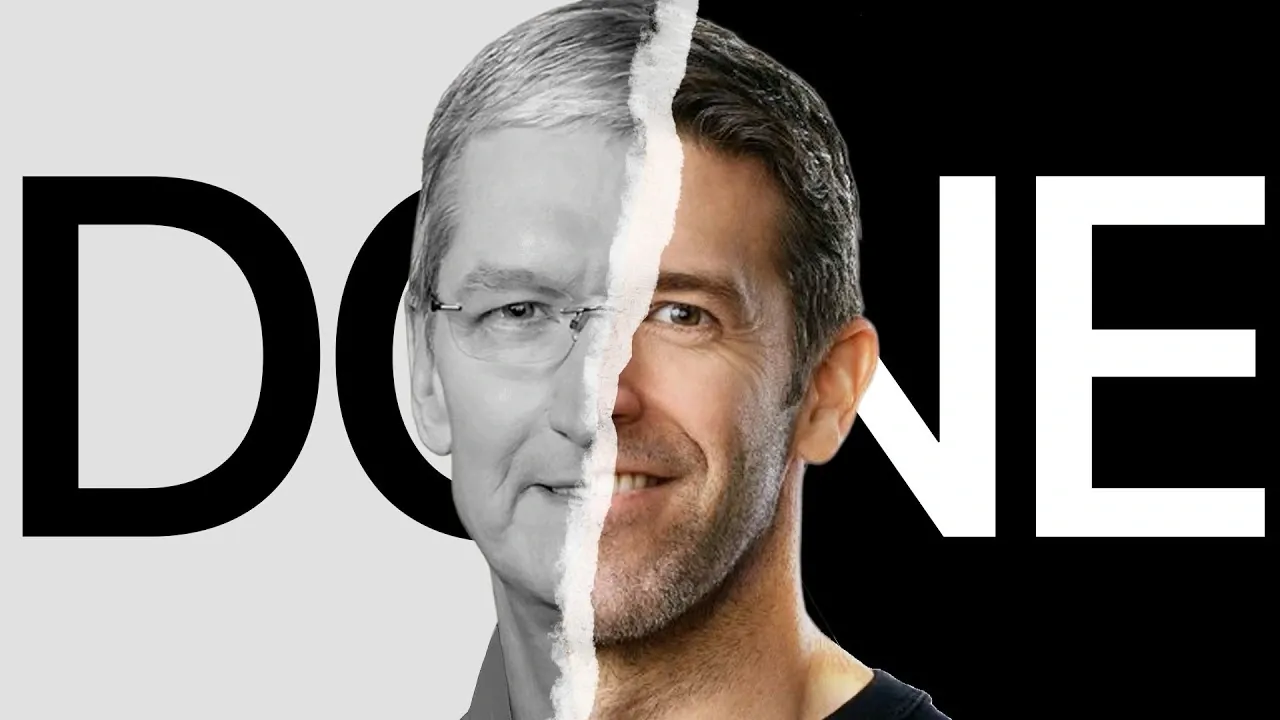
Tim Cook’s eventual departure from Apple will mark the end of a significant chapter defined by operational excellence and record-breaking financial achievements. During his leadership, Apple reached a market valuation of nearly $4 trillion and optimized its supply chain while broadening its product offerings. However, as fpt notes, this era also brought a shift toward more incremental updates, sparking discussions about the company’s ability to sustain its creative edge. Leadership changes, such as the departures of Jeff Williams and Luca Maestri, highlight the complexities Apple faces in navigating a competitive and evolving tech landscape.
Discover how Apple might manage leadership transitions, including the potential role of John Ternus and his expertise in hardware engineering. This deep dive also examines how the company could address external challenges like antitrust scrutiny and adapt its internal processes to maintain its culture. Additionally, it explores potential strategies for balancing innovation with operational priorities in a post-Cook era.
Apple’s Post-Cook Future
TL;DR Key Takeaways :
- Tim Cook’s tenure at Apple saw unprecedented financial growth, with the company’s valuation rising from $350 billion in 2011 to nearly $4 trillion, alongside operational excellence and global expansion.
- Cook’s leadership marked a shift from bold innovation to refining existing technologies, drawing criticism for potentially sidelining Apple’s creative edge despite financial success.
- Apple faces significant challenges in the post-Cook era, including a leadership vacuum caused by the departure of key executives like Jeff Williams and Luca Maestri, raising concerns about stability and innovation.
- John Ternus, Senior Vice President of Hardware Engineering, is seen as the leading candidate to succeed Cook, but he will face challenges such as addressing internal fractures, antitrust issues and restoring Apple’s innovative culture.
- To thrive in the future, Apple must reignite its focus on new innovation, rebuild internal cohesion and balance operational efficiency with creativity to maintain its leadership in the tech industry.
Tim Cook’s Legacy: Balancing Success and Criticism
Tim Cook’s leadership at Apple is a story of extraordinary achievements intertwined with notable critiques. When Cook took over as CEO in 2011, Apple was valued at approximately $350 billion. Today, its valuation approaches an astonishing $4 trillion, cementing its status as one of the most valuable companies in the world. Cook’s tenure was characterized by operational excellence, financial growth and global expansion. Under his guidance, Apple broadened its product offerings, optimized its supply chain and solidified its dominance in the tech industry.
Despite these accomplishments, Cook’s leadership also marked a shift in priorities. While Apple continued to release new products, the focus increasingly centered on refining existing technologies rather than introducing new innovations. Cook also became deeply engaged in corporate diplomacy, skillfully navigating international trade policies and securing tariff exemptions. These efforts bolstered Apple’s financial performance but drew criticism for potentially sidelining the company’s innovative ethos. Cook’s legacy, therefore, is a dual narrative: a leader who excelled in operational and financial management but whose cautious approach may have tempered Apple’s creative edge.
Leadership Exodus: A Challenge to Stability
One of the most significant challenges Apple faces in the post-Cook era is the departure of key leadership figures. Over recent years, several high-profile executives have left the company, creating a leadership vacuum in critical areas. These departures include:
- Jeff Williams, Chief Operating Officer
- Luca Maestri, Chief Financial Officer
- Lisa Jackson, Vice President of Environment and Policy
- Alan Dye, Vice President of Human Interface Design
These individuals were instrumental in shaping Apple’s identity, from its innovative product designs to its environmental initiatives. Their absence raises concerns about the company’s ability to maintain its competitive edge in a rapidly evolving tech landscape. Furthermore, the leadership exodus underscores potential internal challenges, such as preserving Apple’s culture of collaboration and creativity. Addressing these gaps will be essential for making sure stability and continuity in the years ahead.

Here are more guides from our previous articles and guides related to Apple that you may find helpful.
- Apple’s Foldable iPhone: Features, Design, and Release Date
- M5 Mac Mini Leak: Features, Release Date, and More
- Apple’s $599 MacBook: Everything You Need to Know
- 2026 Apple TV 4K: Everything You Need to Know
- Touchscreen M6 MacBook Pro: Features, Release Date, and More
- iPhone 18 Pro Max Leaks: Features, Pricing, and Release Date
- iPhone 18 Pro Max Leaks: Display, Battery, and Camera Upgrades
- Apple’s New MacBook Pro Redesign Leaked
- Apple TV 4K 2026: The Definitive Guide
- Apple’s AI Pin: Redefining Wearable Technology with AI
John Ternus: A Leader in Waiting
John Ternus, Apple’s Senior Vice President of Hardware Engineering, is widely regarded as the most likely candidate to succeed Tim Cook. Ternus has already demonstrated his leadership capabilities, particularly through his role in the redesign of MacBook ports, which prioritized functionality over aesthetics. His pragmatic and user-focused approach has earned him respect both within Apple and among its global customer base.
However, stepping into the role of CEO will present Ternus with a formidable set of challenges. He will inherit a company grappling with leadership gaps, external pressures and ongoing legal scrutiny. Apple’s antitrust battles and controversies surrounding its App Store policies add layers of complexity to the role. Additionally, Ternus will need to address internal fractures and work to restore the innovative culture that once defined Apple. His ability to balance operational expertise with visionary leadership will be critical in navigating these challenges and making sure Apple’s continued success.
The Path Forward: Reclaiming Innovation
As Apple transitions into a new chapter, its ability to reclaim its position as a leader in innovation remains a pressing concern. In recent years, the company has focused on incremental updates and corporate diplomacy, leading some to question its capacity for delivering new products. To thrive in the post-Cook era, Apple must confront its internal challenges and reignite the creative spark that once set it apart in the tech industry.
John Ternus’s leadership will be pivotal in shaping this future. His technical expertise and strategic vision position him as a capable leader, but success will depend on his ability to rebuild internal cohesion, attract top talent and navigate the complex legal and environmental landscape. Apple must also prioritize fostering a culture of creativity and collaboration, making sure that innovation remains at the heart of its operations.
The road ahead will not be without obstacles. However, with the right leadership and a renewed focus on its core values, Apple has the potential to adapt, evolve and maintain its status as a global leader in technology. The company’s ability to balance operational efficiency with bold innovation will ultimately determine its trajectory in the years to come.
Media Credit: fpt.
Disclosure: Some of our articles include affiliate links. If you buy something through one of these links, Geeky Gadgets may earn an affiliate commission. Learn about our Disclosure Policy.
