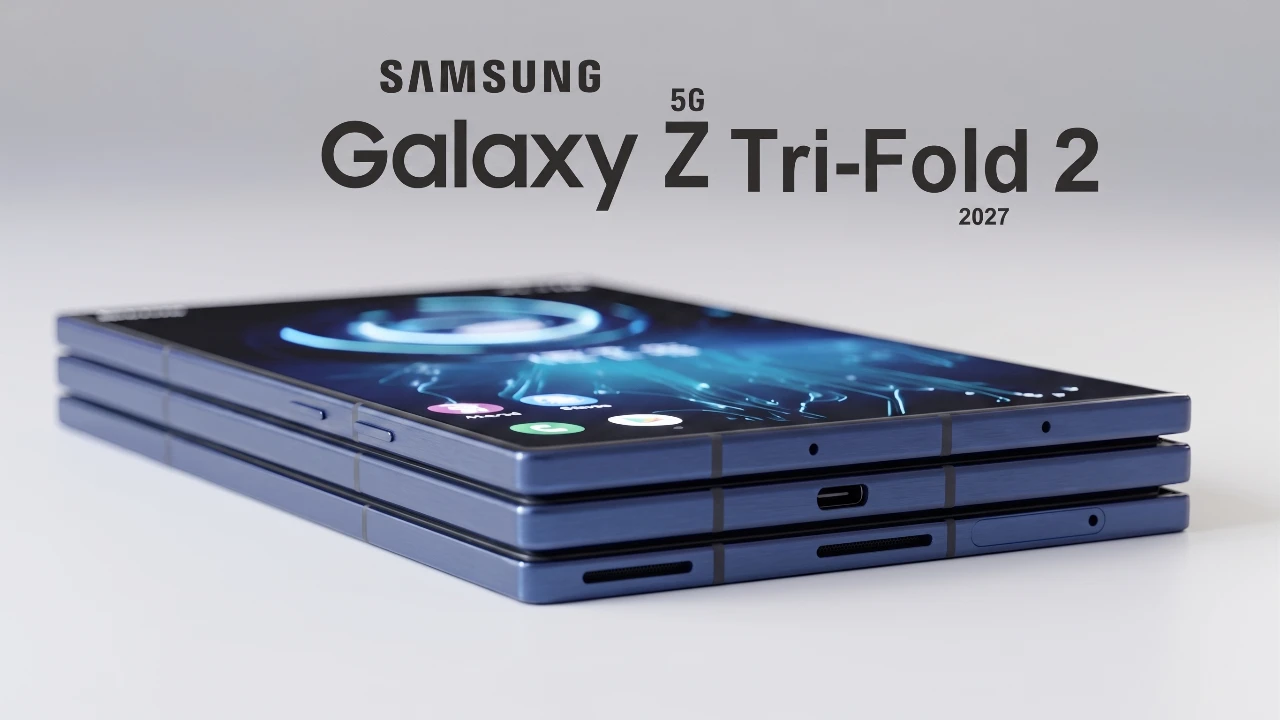
Samsung continues to push the boundaries of smartphone technology, unveiling concepts that redefine what mobile devices can achieve. A recently uncovered patent hints at the company’s exploration of a triple-folding smartphone design, potentially named the Galaxy Z TriFold 2. This ambitious concept introduces a device capable of transforming into a tablet-like display when fully unfolded, offering a significant departure from the traditional foldable designs currently dominating the market. While the design promises to enhance usability and functionality, questions about its practicality, durability, and market appeal remain central to its potential success.
Triple-Folding Design: A New Era for Foldables
At the heart of this innovation lies its triple-folding mechanism, a feature that sets it apart from existing foldable devices. Unlike current models that rely on a single hinge, the Galaxy Z TriFold 2 incorporates two hinges, allowing the device to fold in three sections. This design allows it to transition seamlessly between a compact smartphone form and a large, tablet-sized display. When folded, it could resemble a mini tablet, offering a unique blend of portability and screen real estate.
This design is particularly appealing to users who prioritize multitasking and immersive media experiences. The larger unfolded display could cater to professionals seeking productivity on the go, as well as entertainment enthusiasts who value a more expansive viewing experience. By addressing the growing demand for wider foldable displays, Samsung aims to position the Galaxy Z TriFold 2 as a versatile device that bridges the gap between smartphones and tablets.
Patent Details: A Glimpse into Samsung’s Vision
The patent provides a detailed look at Samsung’s vision for the future of foldable technology. It describes a device equipped with an outer display for quick interactions, such as checking notifications or making calls and an inner screen designed for productivity and entertainment. This dual-display approach seeks to overcome some of the limitations of current foldables, such as narrow aspect ratios and reduced functionality when folded.
While the patent showcases an exciting concept, it’s important to note that not all patented designs make it to production. The Galaxy Z TriFold 2 remains a vision of what’s possible and its transition from concept to consumer-ready product will depend on overcoming technical and market challenges. Nevertheless, the patent underscores Samsung’s commitment to exploring innovative solutions that address the evolving needs of smartphone users.
Industry Trends: The Shift Toward Wider Foldables
Samsung’s exploration of triple-folding technology aligns with broader trends in the smartphone industry. Competitors, including Apple, are reportedly developing foldable devices with wider displays, such as the rumored iPhone Ultra, which is said to feature a passport-style design. These developments signal a shift away from the tall, narrow designs that currently dominate the foldable market.
Wider displays offer several advantages, including improved usability, better multitasking capabilities and a more immersive viewing experience. By embracing this trend, Samsung has the opportunity to position the Galaxy Z TriFold 2 as a leader in the next generation of foldable devices. If successful, the device could set new benchmarks for innovation, functionality and design in the foldable smartphone category.
What Could the Galaxy Z TriFold 2 Offer?
Although official details about the Galaxy Z TriFold 2 are scarce, leaks and speculation suggest that the device could feature innovative hardware to complement its innovative design. Potential specifications include:
- A 5.4-inch outer display for quick tasks, notifications and basic interactions.
- A 7.6-inch inner screen designed for immersive multitasking, gaming and content consumption.
- A Snapdragon 8 Elite Gen 5 processor, making sure top-tier performance and efficiency.
- A 5,000mAh battery to support the energy demands of a triple-folding device.
These features suggest that the Galaxy Z TriFold 2 could be positioned as a premium device, targeting tech enthusiasts and early adopters who are eager to embrace the latest advancements in smartphone technology. By combining innovative design with powerful hardware, Samsung could deliver a device that appeals to both productivity-focused users and entertainment seekers.
Challenges Ahead: Balancing Innovation and Practicality
While the triple-folding design offers exciting possibilities, it also presents significant challenges. One of the primary concerns is the high production cost associated with the complex folding mechanism and advanced materials required for durability. These factors could result in a steep price point, potentially limiting the device’s accessibility to a niche market.
Durability is another critical issue. The hinges, which are central to the device’s functionality, must withstand repeated folding without compromising performance. Additionally, the device’s weight and thickness could impact its practicality, especially when compared to existing foldable smartphones. Samsung will need to address these challenges to ensure that the Galaxy Z TriFold 2 is not only innovative but also reliable and user-friendly.
Samsung’s Commitment to Innovation
The Galaxy Z TriFold 2 patent highlights Samsung’s dedication to pioneering new form factors and addressing the limitations of current smartphone designs. By exploring bold concepts like the triple-folding mechanism, Samsung continues to shape the future of the smartphone industry, responding to the evolving demands of consumers.
While the practicality and market viability of triple-folding devices remain uncertain, the Galaxy Z TriFold 2 represents an exciting step forward in smartphone innovation. It demonstrates Samsung’s willingness to experiment with new ideas and push the boundaries of what mobile devices can achieve.
The Future of Foldable Smartphones
As the foldable smartphone market matures, devices like the Galaxy Z TriFold 2 could define the next phase of innovation. Wider displays, enhanced multitasking capabilities and advanced hardware are likely to become key features of future foldables. However, the success of these devices will depend on striking the right balance between innovation, practicality and affordability.
For now, the triple-folding concept offers a compelling glimpse into the potential future of smartphones. Whether or not the Galaxy Z TriFold 2 becomes a reality, it underscores the industry’s commitment to pushing the boundaries of design and functionality, paving the way for a new era of mobile technology.
Source & Image Credit: Demon’s Tech
Disclosure: Some of our articles include affiliate links. If you buy something through one of these links, Geeky Gadgets may earn an affiliate commission. Learn about our Disclosure Policy.
