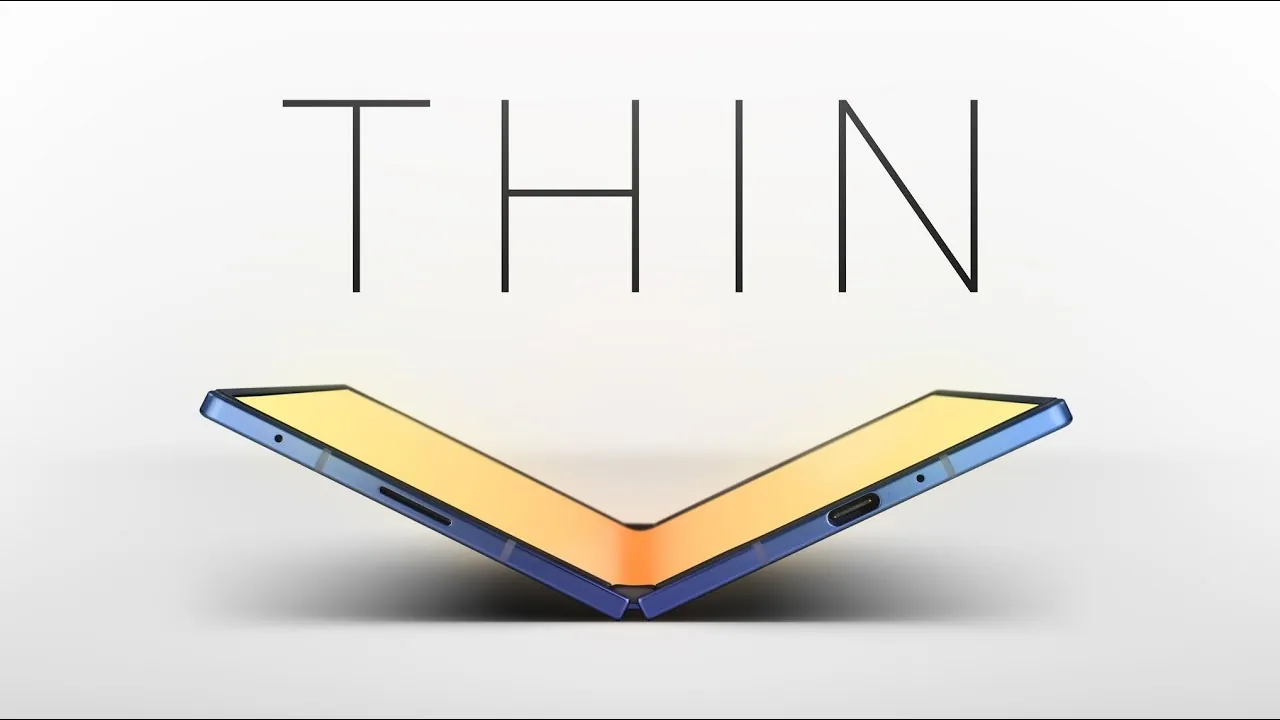
Samsung has unveiled its latest foldable smartphones, the Galaxy Z Fold 7 and Galaxy Z Flip 7, alongside updates to its Galaxy Watch lineup. These devices showcase notable advancements in design, usability, and performance, while also revealing areas where further progress is necessary. By examining these new releases, you can better understand their strengths and limitations. The video below from Dave2D gives us a detailed look at the handsets.

Galaxy Z Fold 7: A Refined Foldable Experience
The Galaxy Z Fold 7 represents a significant evolution in foldable smartphone design. It is thinner and lighter than its predecessor, making it more portable and comparable to traditional smartphones. Available in Jet Black, Blue Shadow, and Silver Shadow, the Fold 7 combines modern aesthetics with practical functionality, appealing to users who prioritize both style and performance.
One of the standout improvements is the wider front screen, which features a more practical aspect ratio. This enhancement makes everyday tasks, such as typing and browsing, more convenient. Constructed with armor aluminum, the Fold 7 offers improved durability over earlier models. However, the absence of titanium—a material used in some competing devices—raises questions about its long-term resilience, especially for users seeking maximum durability.
The Fold 7’s camera system is another highlight. Its 200MP main sensor delivers superior low-light performance, allowing clearer and more detailed photos in challenging conditions. However, the lack of a periscoping telephoto lens limits its zoom capabilities, which may be a drawback for photography enthusiasts. Additionally, the punch-hole front camera prioritizes image quality but disrupts the seamless display design, a trade-off that may divide user opinions.
Powered by the Snapdragon 8 Elite chip, the Fold 7 ensures top-tier performance for multitasking and demanding applications. However, the absence of a vapor chamber cooling system could lead to overheating during intensive use. The device retains the 4,400mAh battery capacity of its predecessor, and without silicon-carbon battery technology, improvements in battery life remain modest.
Galaxy Z Flip 7: Compact Elegance with Practical Enhancements
The Galaxy Z Flip 7 builds on the strengths of its predecessor, offering a larger, full-size front screen with minimal bezels. This design change allows you to perform more tasks, such as replying to messages or checking notifications, without unfolding the device. The Flip 7 is also slightly thinner than the Flip 6, giving it a more refined and elegant appearance.
Samsung has introduced the Exynos 2500 chip in the Flip 7, moving away from the Snapdragon processors used in earlier models. While the new chip delivers solid performance, concerns about its efficiency and thermal management remain. The device also features a slightly larger battery, addressing one of the main criticisms of previous Flip models and offering improved usability for daily tasks.
However, the Flip 7’s higher price tag may deter budget-conscious buyers. To address this, Samsung offers the Flip FE variant in select regions. While the FE model lacks some premium features, it provides a more accessible entry point for those interested in foldable technology.
Galaxy Watches: Balancing Innovation and User Expectations
Samsung’s updated Galaxy Watch lineup includes the Galaxy Watch Ultra, Galaxy Watch 8, and Galaxy Watch 8 Classic. Each model introduces new features aimed at enhancing the user experience, though not all changes have been universally welcomed.
- Galaxy Watch Ultra: Now available in a titanium blue finish, the Ultra offers 64GB of storage, catering to users who need both durability and ample space for apps and media.
- Galaxy Watch 8: Features a redesigned strap system for improved comfort and ease of use. However, this new system is not backward-compatible with older straps, which may frustrate existing Galaxy Watch users.
- Galaxy Watch 8 Classic: Retains its signature rotating bezel, a feature appreciated by some for its functionality but criticized by others for its bulkier design.
These updates reflect Samsung’s efforts to refine its smartwatch offerings, but they also highlight the challenges of balancing innovation with user expectations.
Key Strengths and Persistent Challenges
Samsung’s latest foldable devices and smartwatches demonstrate meaningful advancements in design and functionality. The Galaxy Z Fold 7’s thinner profile and improved usability, combined with the Galaxy Z Flip 7’s enhanced front display, showcase Samsung’s commitment to refining the foldable experience. Similarly, the Galaxy Watch lineup introduces new materials and features that cater to a wide range of user needs.
However, several challenges remain:
- The use of armor aluminum instead of titanium in the Fold 7 raises concerns about long-term durability.
- The absence of advanced cooling systems and silicon-carbon battery technology limits performance during heavy use.
- Higher price points for the Flip 7 and the new strap system for the Galaxy Watch 8 may deter some consumers.
As Samsung continues to innovate, these devices highlight both the progress made and the areas where further development is needed. By carefully evaluating these strengths and limitations, you can determine whether these products align with your specific needs and preferences.
Unlock more potential in Samsung Galaxy Z Fold 7 by reading previous articles we have written.
- Samsung Galaxy Z Fold 7: The 6 Biggest Expected Changes
- Samsung Galaxy Z Fold 7: Features, Pricing, and Release Date
- Samsung Galaxy Z Fold 7 Launch Details, Design, and Battery
- Samsung Galaxy Z Fold 7 UNLEASHED: New Power, New Look
- Samsung Galaxy Z Fold 7 Launch Date, Features, and Design
Source & Image Credit: Dave2D
Disclosure: Some of our articles include affiliate links. If you buy something through one of these links, Geeky Gadgets may earn an affiliate commission. Learn about our Disclosure Policy.
