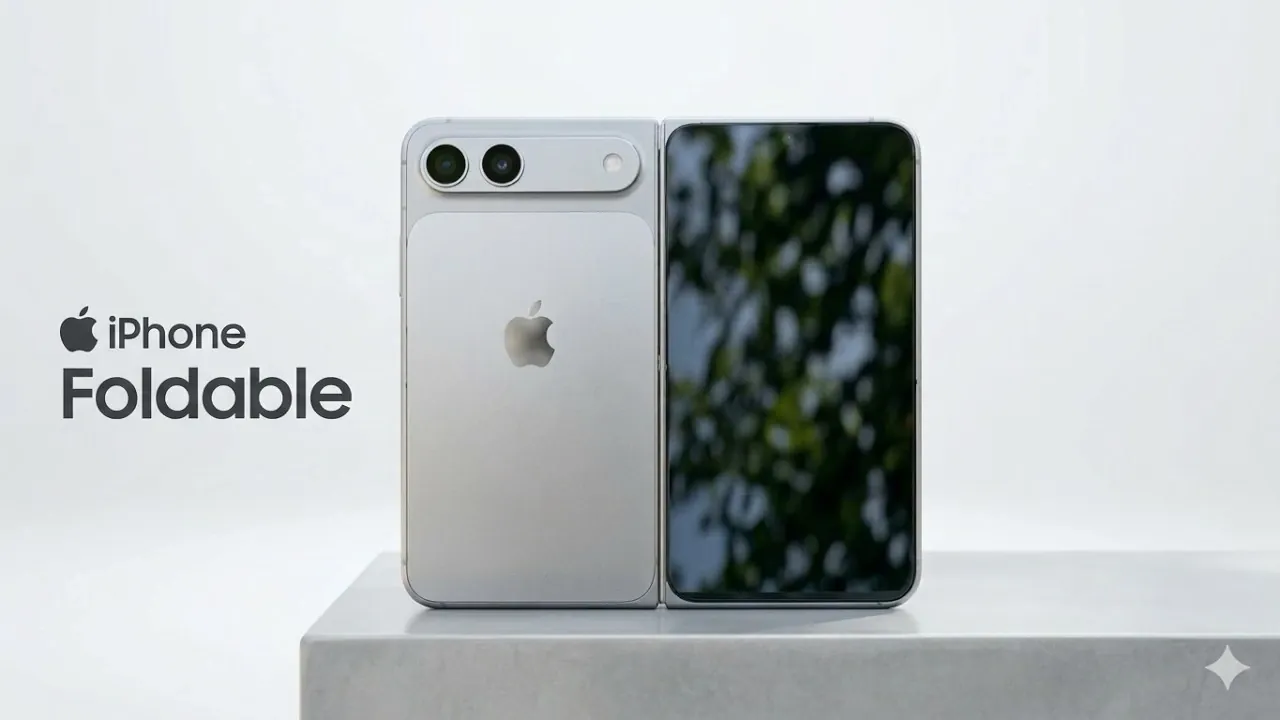
Apple is reportedly preparing to launch its first foldable iPhone, a device that could reshape the foldable smartphone landscape. The most anticipated feature is a crease-free display, addressing one of the most persistent flaws in current foldable devices. By using advanced materials and innovative engineering, Apple aims to deliver a seamless visual experience that sets a new standard for the industry. With mass production rumored to begin soon and a potential release in late 2026, the iPhone Fold is expected to enter the ultra-premium market. However, its projected $2,000 price tag raises questions about its accessibility to a broader audience.

Crease-Free Display: A New Standard in Foldable Technology
One of the primary challenges with foldable smartphones has been the visible crease where the screen folds, which detracts from both the aesthetics and functionality of the device. Apple’s foldable iPhone is reportedly designed to eliminate this issue, offering a flat, uninterrupted display that enhances the user experience.
This innovation could set a new benchmark for foldable devices, appealing to users who have been hesitant to adopt the technology due to such imperfections. A crease-free display not only improves the visual experience but also reinforces Apple’s reputation for delivering polished, high-quality products. By addressing this critical flaw, Apple could make foldable devices more attractive to a wider range of consumers.
The Technology Behind Apple’s Crease-Free Display
Apple’s solution to the crease problem is believed to stem from advancements in two critical areas: display materials and hinge mechanisms. These innovations are designed to ensure both durability and a flawless visual experience.
- Advanced Display Materials: Apple is likely using next-generation flexible OLED panels that are engineered to maintain their integrity even after repeated folding and unfolding. This ensures a smooth, crease-free surface that enhances both aesthetics and functionality.
- Innovative Hinge Mechanism: The hinge system reportedly distributes pressure evenly across the screen, reducing stress points that typically cause creases. This design not only eliminates visible folds but also improves the device’s overall durability.
These advancements reflect Apple’s commitment to delivering a premium product that addresses the shortcomings of existing foldable smartphones. By focusing on these refinements, Apple is positioning the iPhone Fold as a durable, high-performance device that stands out in the competitive foldable market.
Apple’s Strategic Patience: A Calculated Approach
Unlike competitors who rushed to release foldable devices, Apple has taken a more deliberate approach. This strategy reflects the company’s commitment to maintaining its high standards for quality and user experience. By waiting for foldable technology to mature, Apple has been able to address the limitations of earlier models, such as creases, fragility and inconsistent performance.
This calculated patience could give the iPhone Fold a competitive edge. While other brands have already established themselves in the foldable segment, Apple’s entry is expected to offer a more refined and reliable product. This approach aligns with Apple’s history of entering markets later but with products that often redefine the category.
Launch Timeline and Market Positioning
Reports suggest that Apple could begin mass production of the foldable iPhone within the next few months, with a potential launch in late 2026. This timeline aligns with Apple’s typical product development cycles, allowing ample time for design refinements and manufacturing optimizations.
The timing also positions Apple to capitalize on the growing consumer interest in foldable technology. By entering the market after the initial wave of foldable devices, Apple can avoid the pitfalls of early adoption while offering a more polished and reliable product. This strategic timing could help the iPhone Fold gain traction among both early adopters and mainstream consumers.
Ultra-Premium Pricing: Balancing Innovation and Accessibility
The iPhone Fold is expected to debut at a price of approximately $2,000, placing it firmly in the ultra-premium category. This pricing strategy aligns with Apple’s focus on high-end consumers who are willing to pay a premium for innovative technology and design.
However, the high price could limit its appeal to a niche audience. While early adopters and tech enthusiasts may embrace the device, mainstream consumers might hesitate, especially given the relatively niche appeal of foldable designs. Apple’s challenge will be to demonstrate that the iPhone Fold offers unique value that justifies its premium price. This could include emphasizing its durability, advanced features and the seamless user experience enabled by the crease-free display.
Challenges to Mainstream Adoption
Despite its innovative features, the iPhone Fold faces significant hurdles in achieving widespread adoption. The high price point and the niche appeal of foldable designs are key barriers. Consumers may also weigh the benefits of a foldable device against the reliability and affordability of traditional smartphones.
To overcome these challenges, Apple will need to highlight the unique advantages of the iPhone Fold. This could include its durability, advanced hinge mechanism, and the uninterrupted display experience that sets it apart from competitors. Additionally, Apple’s ecosystem of products and services could play a role in enhancing the device’s appeal, offering seamless integration with other Apple devices.
A Bold Step in Foldable Technology
The iPhone Fold represents a significant advancement in foldable smartphone technology, addressing one of the industry’s most persistent challenges with its crease-free display. By using advanced materials and innovative engineering, Apple is poised to deliver a device that redefines the foldable experience.
However, with a $2,000 price tag and questions about its mainstream viability, the iPhone Fold’s success will depend on its ability to balance innovation with practicality. As Apple prepares for a potential 2026 launch, the foldable smartphone market could witness a major shift, driven by the company’s commitment to quality and design excellence. Whether this device becomes a mainstream success or remains a niche product will ultimately depend on how well it resonates with consumers and how effectively Apple communicates its value proposition.
Here is a selection of other guides from our extensive library of content you may find of interest on Foldable iPhone.
- Apple’s Foldable iPhone: Features, Design and Release Date
- Apple Foldable iPhone: Design, Features and Pricing Revealed
- iPhone Fold Design and Features: What Makes It a Fantastic option
- Apple’s iPhone Fold: Everything We Know So Far
- iPhone Fold Rumors: What to Expect from Apple’s First Foldable
Source & Image Credit: Demon’s Tech
Disclosure: Some of our articles include affiliate links. If you buy something through one of these links, Geeky Gadgets may earn an affiliate commission. Learn about our Disclosure Policy.
