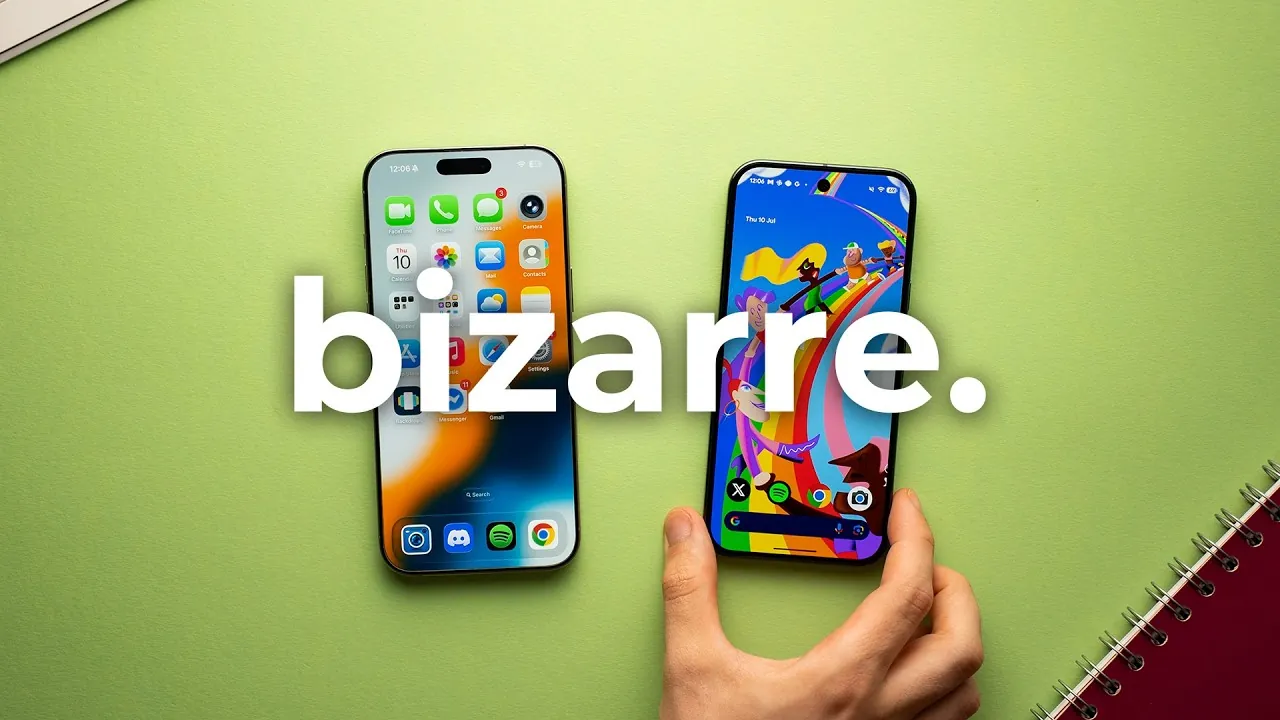
The beta releases of iOS 26 and Android 16 mark a pivotal moment in the evolution of mobile operating systems. Both platforms introduce significant updates that emphasize design, customization, and functionality, reflecting the growing importance of software-driven innovation in the mobile market. While iOS 26 refines its minimalist aesthetic, Android 16 adopts a more utilitarian approach, catering to a diverse range of user needs. These updates signal a shift in focus toward enhancing the user experience, particularly as hardware advancements slow in pace. The video below from Android Police gives us a look at the two mobile OS.

Design Overhauls: Contrasting Philosophies
The design philosophies of iOS 26 and Android 16 underscore their distinct approaches to creating user-friendly interfaces.
- iOS 26: Apple introduces a “liquid glass” aesthetic, blending polished, translucent visuals with improved readability. This design evolution builds on Apple’s tradition of sleek, cohesive interfaces, appealing to users who prioritize elegance and simplicity.
- Android 16: Android takes a different route with high-contrast visuals, focusing on usability and accessibility. This approach ensures clarity in various lighting conditions, making it particularly practical for users who value functionality over refinement.
These contrasting design strategies highlight the platforms’ core philosophies: Apple’s focus on visual harmony and refinement versus Android’s emphasis on practicality and inclusivity.
Customization: Empowering Users
Customization takes center stage in both iOS 26 and Android 16, offering users more tools to personalize their devices.
- iOS 26: Enhances lock screen widgets, allowing quick access to critical information without cluttering the interface. This feature maintains Apple’s commitment to a clean, user-friendly design while adding a layer of functionality.
- Android 16: Expands customization options with advanced wallpaper features, including live effects, weather integration, and depth effects. These tools allow users to create dynamic, immersive home screens tailored to their preferences.
This focus on personalization reflects a broader trend in mobile technology: empowering users to make their devices uniquely their own while maintaining usability.
New Features: Expanding Functionality
Both operating systems introduce features designed to enhance functionality and bridge the gap between mobile and desktop experiences.
- Android 16: Introduces a desktop mode, transforming smartphones into mini-computers when connected to an external display. This feature is particularly appealing to professionals and multitaskers seeking greater productivity.
- iOS 26: Adds call screening and estimated charge times—features that Android users have long enjoyed. These additions demonstrate Apple’s willingness to adopt cross-platform innovations while maintaining its signature design ethos.
These updates cater to the evolving needs of modern users, whether through professional tools or everyday conveniences, and reflect the platforms’ commitment to staying relevant in a competitive market.
Animations and Haptic Feedback: Enhancing Interaction
Both iOS 26 and Android 16 aim to elevate the tactile and visual experience, albeit through different methods.
- iOS 26: Focuses on fluid animations, creating a seamless and polished interface that feels intuitive and responsive. These animations enhance the overall user experience by making interactions feel natural and engaging.
- Android 16: Prioritizes haptic feedback, offering tactile interactions that improve usability and engagement. This feature is particularly beneficial for users who rely on physical cues to navigate their devices.
While these enhancements contribute to a more immersive experience, they also raise questions about potential impacts on battery life, especially for devices with limited hardware upgrades.
Consumer Impact: Shaping Preferences
The updates in iOS 26 and Android 16 are likely to influence consumer preferences, particularly for those considering a switch between platforms. By prioritizing visible, user-facing changes over backend improvements, both operating systems aim to capture attention in a market where hardware advancements are becoming less dramatic. The emphasis on design, customization, and functionality reflects a strategic effort to retain user loyalty while attracting new audiences. These updates also highlight the platforms’ understanding of shifting consumer expectations, where software innovation increasingly drives purchasing decisions.
Market Implications: Adapting to Change
The redesigns in iOS 26 and Android 16 underscore the platforms’ responses to evolving market dynamics and competitive pressures. By focusing on aesthetics, usability, and customization, both systems aim to remain relevant in an increasingly saturated market. However, the reliance on software updates to drive innovation raises questions about the long-term trajectory of mobile technology. As hardware advancements slow, the ability of software improvements to sustain user interest becomes a critical factor. These updates may set the stage for future developments, but they also highlight the challenges of maintaining momentum in a rapidly maturing industry.
The Future of Mobile Operating Systems
The beta releases of iOS 26 and Android 16 offer a glimpse into the future of mobile technology, emphasizing the importance of software-driven innovation. With their distinct approaches to design, customization, and functionality, these updates reflect the platforms’ efforts to redefine the user experience in an era of slowing hardware advancements. Whether you value sleek aesthetics or bold functionality, these updates demonstrate how mobile operating systems are evolving to meet the needs of modern users. As the public release approaches, the impact of these changes on consumer preferences and market dynamics will become clearer, shaping the next chapter in the evolution of mobile technology.
Find more information on iOS 26 by browsing our extensive range of articles, guides and tutorials.
- iOS 26 Public Beta: Top Features and Installation Tips
- iOS 26 Beta 4 Features: AI, AirPods Updates, and More
- iOS 26 Public Beta: Key Features and What to Expect
- Apple CarPlay iOS 26 vs. iOS 18: Key Features Compared
- iOS 26 Release Date, Features, and What to Expect
Source & Image Credit: Android Police
Disclosure: Some of our articles include affiliate links. If you buy something through one of these links, Geeky Gadgets may earn an affiliate commission. Learn about our Disclosure Policy.
