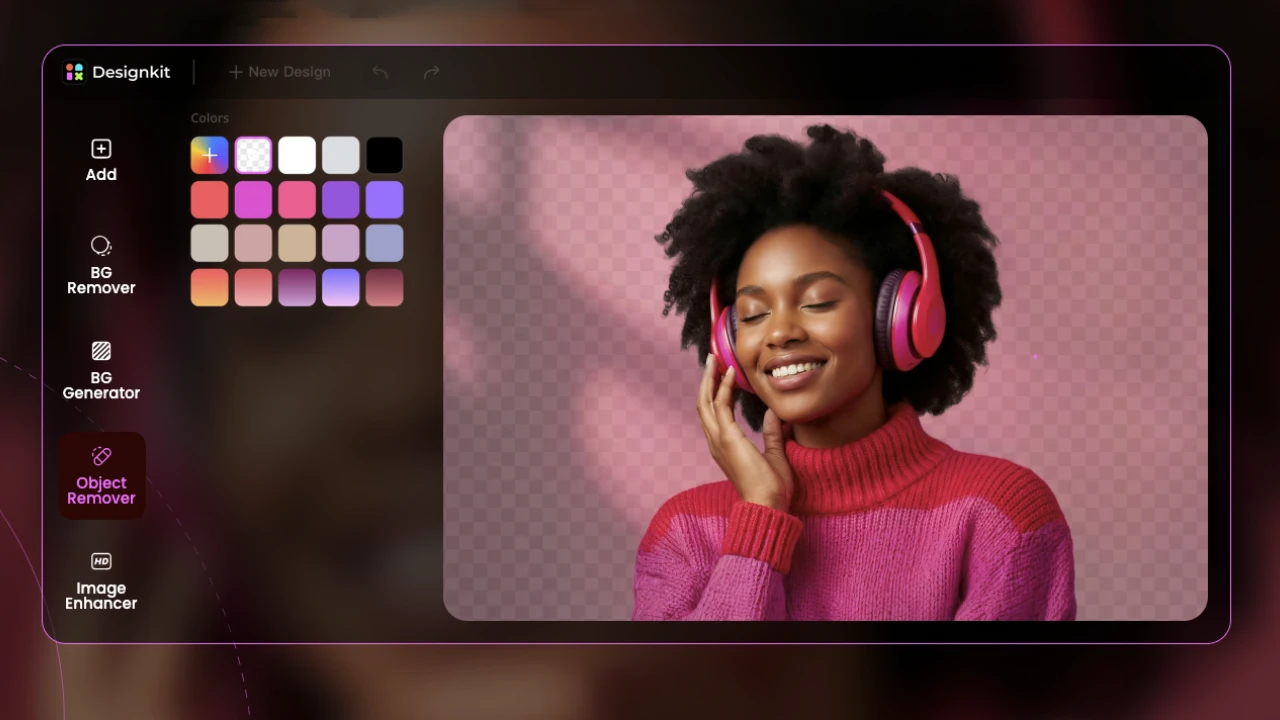
In the high-stakes world of global e-commerce, the quality of a product image is often the single greatest factor in a customer’s decision to click “buy.” For years, digital merchants have been caught in a persistent squeeze: the demand for high-quality, diverse visual content is exploding, yet the traditional methods for producing that content remain stubbornly slow and expensive.
Traditional product photography creates significant bottlenecks. A single photo shoot can involve shipping physical samples, hiring photographers and models, renting studio space, and waiting days—if not weeks—for post-production. For a global brand managing thousands of SKUs across multiple international marketplaces, this model is no longer sustainable.
Designkit, a visual commerce platform, has officially launched its comprehensive design suite to solve this “content bottleneck.” By integrating generative AI with professional-grade editing tools, the platform promises to turn raw product shots into conversion-ready listings in hours rather than days, at a fraction of traditional production costs.
The Evolution of Visual Commerce
The launch of Designkit comes at a pivotal moment for the retail industry. As social commerce platforms like TikTok and Instagram become primary discovery engines, the “shelf life” of digital content has plummeted. Brands can no longer rely on a single set of “hero” images for a year; they need a constant stream of lifestyle shots, “in-use” visuals, and platform-specific content to remain relevant.
Furthermore, the rise of global marketplaces means that a one-size-fits-all visual strategy often fails. A lifestyle image that resonates with a consumer in New York may not have the same impact on a shopper in Jakarta or São Paulo. Designkit addresses this directly, moving away from static photography toward a dynamic, AI-driven “operating system for the digital shelf.”
The Dual-Engine Approach: From Prompt to Publication
What sets Designkit apart from generic AI image generators is its focus on the specific logic of retail. The platform is built around two distinct but integrated suites that handle the entire visual lifecycle.
1. The Generative AI Suite
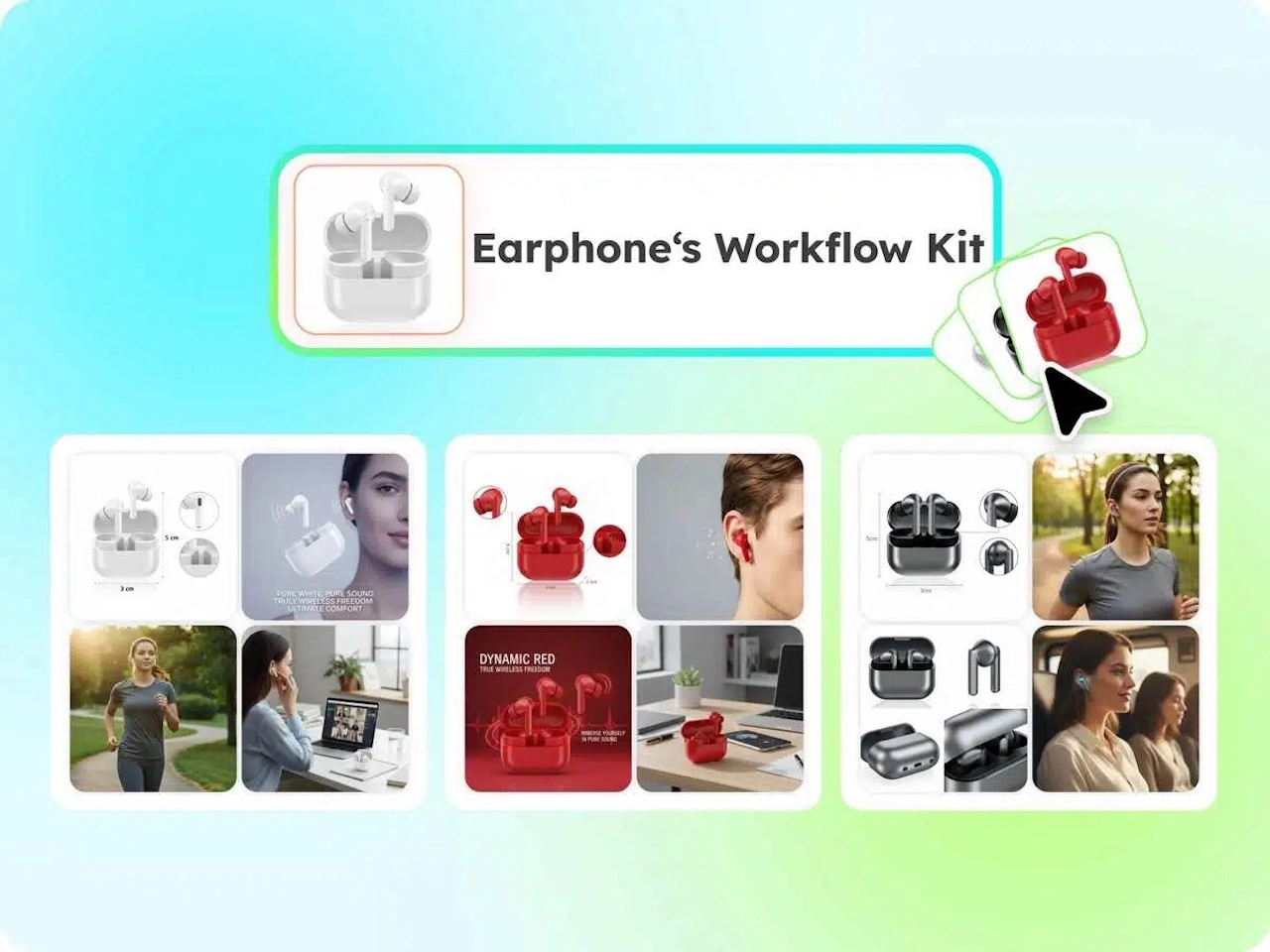
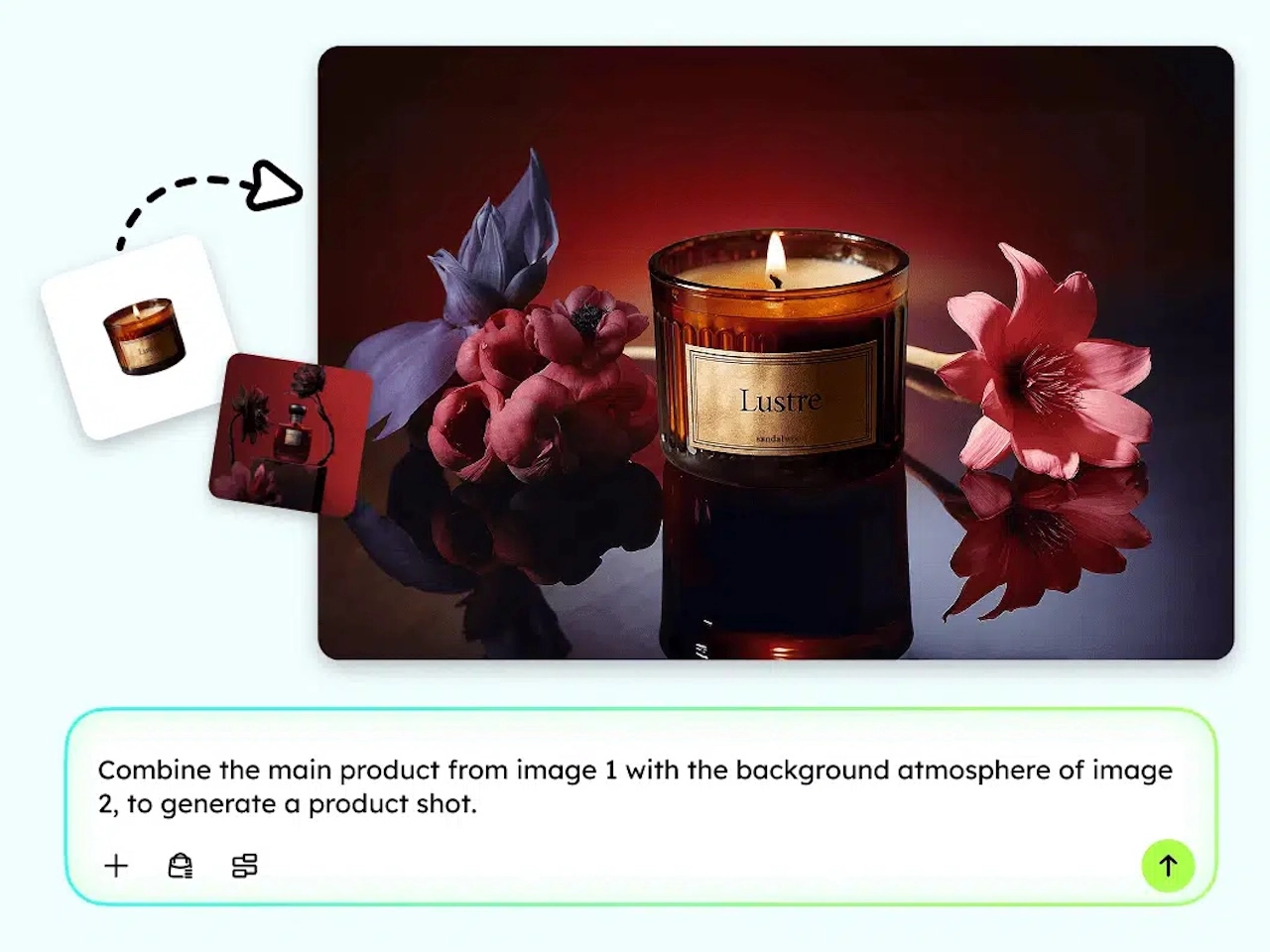
This engine is designed for speed and scale. Instead of generating a single image, it allows sellers to create an entire listing set from a single prompt using a specialized product listing generator. This tool is built to understand the requirements of various marketplaces, ensuring that the output isn’t just an image, but a compliant asset ready for upload.
- Comprehensive Asset Creation: The suite produces everything from standard white-background shots to complex lifestyle scenes. By using the product photography generator, merchants can place their products in any environment—from a sun-drenched kitchen to a professional gym—without ever leaving their desks.
- Localization at Scale: Recognizing that “good design” varies by region, the tool supports end-to-end localization across five languages: English, Spanish, Portuguese, Chinese, and Indonesian. It doesn’t just translate text; it adapts the visual aesthetic—colors, backgrounds, and lighting—to match local consumer preferences and cultural nuances.
- Vertical-Specific Tools: The suite includes a specialized AI Fashion Model Generator for virtual try-ons. This allows apparel brands to showcase their clothing on a diverse range of virtual models, significantly reducing the need for casting calls and multi-day shoots. Additionally, a Product Video Generator helps brands tap into the lucrative social commerce market by creating short-form video content optimized for mobile viewing.
2. The AI Photo Editor Suite
Generating an image is only half the battle. Professional e-commerce requires a level of precision that raw AI outputs sometimes miss. Designkit’s editing suite provides the “last-mile” refinement necessary for professional marketplaces. Key tools include:
- Background & Object Removal: Precision tools to clean up images instantly, removing distractions or unwanted shadows that can lower conversion rates.
- Image Enhancer: Upscaling and refining quality for high-resolution displays, ensuring that “zoom-in” features on product pages reveal crisp, professional details.
- Text & Element Integration: This allows brands to overlay branding, technical specifications, or promotional badges (like “Eco-Friendly” or “Limited Edition”) directly onto the image, ensuring a cohesive brand identity across all assets.
Solving the Enterprise Pain Point: A/B Testing and Efficiency
For enterprise-level sellers, the primary benefit of Designkit isn’t just saving money—it’s gaining an unprecedented level of agility. In the traditional model, A/B testing different lifestyle backgrounds or localized models is nearly impossible because the cost of reshooting and re-editing is cost-prohibitive.
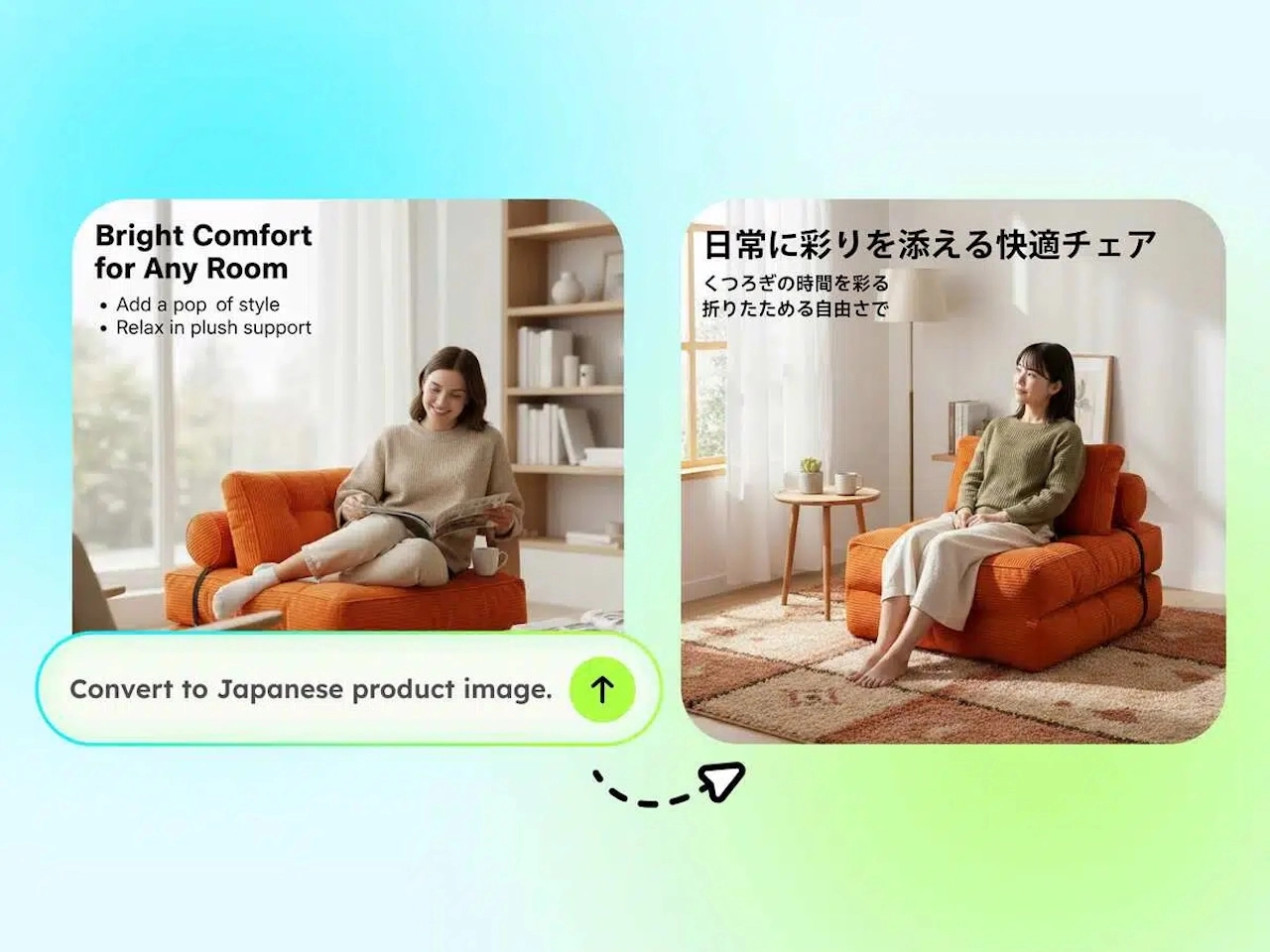
With Designkit, a marketing team can generate five different versions of a product listing in minutes. They can test a product against a minimalist background versus a cozy home setting to see which drives a higher click-through rate. If a specific style is trending in a particular market, the brand can pivot its entire visual catalog to match that trend almost instantly.
As noted by the Head of Global Strategy at Designkit, the platform is designed to help sellers build a “compliant, high-converting listing,” not just a pretty picture. By compressing production timelines from weeks to hours, brands can enter new markets or launch new product lines with a fraction of the traditional overhead and risk.
Security, Compliance, and Intellectual Property
One of the biggest hurdles for brands adopting AI has been the concern over data security and intellectual property. Designkit has addressed these concerns by building an enterprise-grade infrastructure. The platform ensures that a brand’s unique product assets and visual identity are protected, providing a secure environment where companies can innovate without fear of their proprietary designs being compromised or misused.
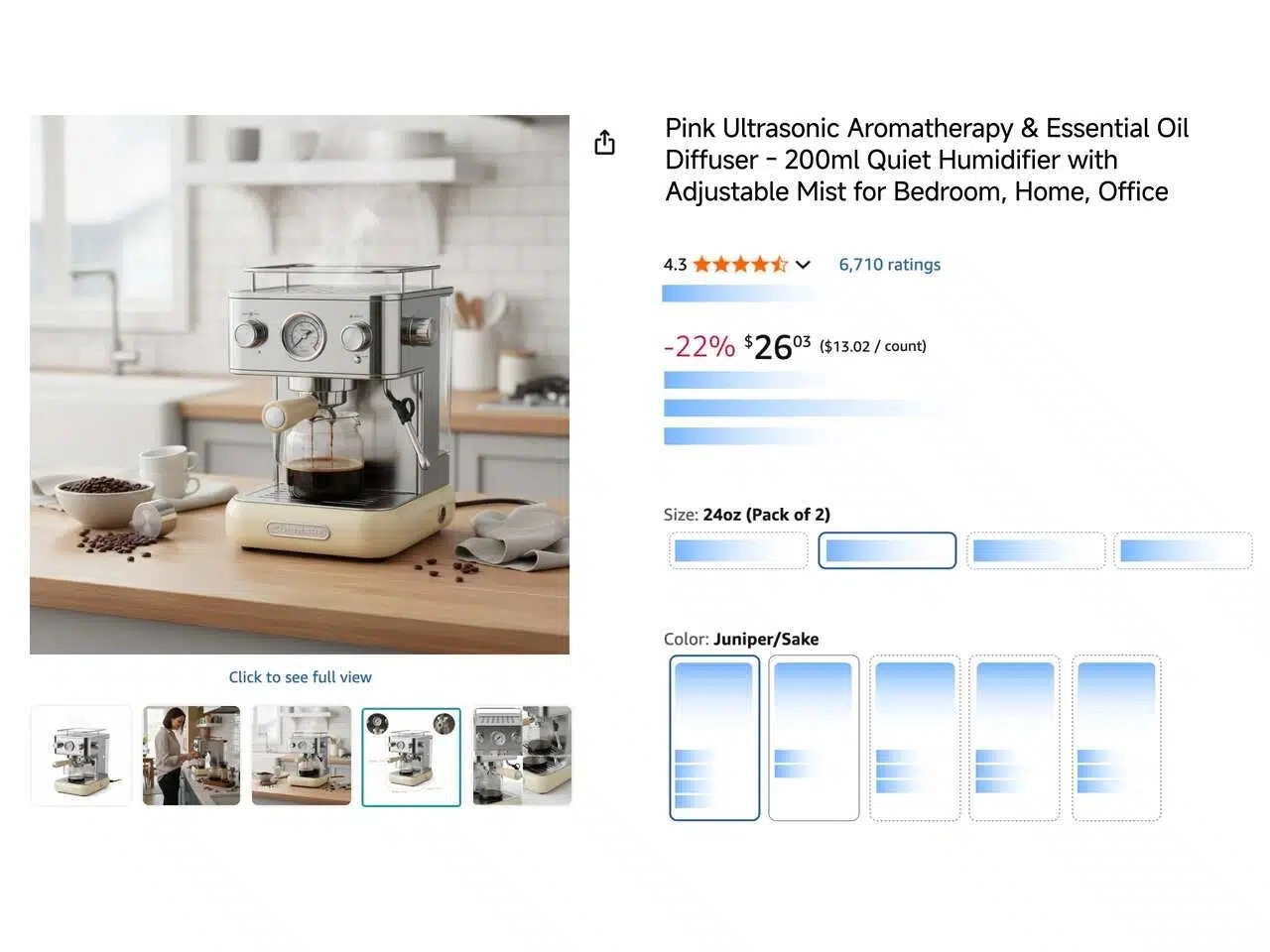
Furthermore, as marketplaces like Amazon and Walmart implement stricter rules regarding AI-generated content and image compliance, Designkit’s “retail-first” logic ensures that assets meet technical requirements for aspect ratios, file sizes, and background consistency.
The Future: Toward an AI Operating System for Retail
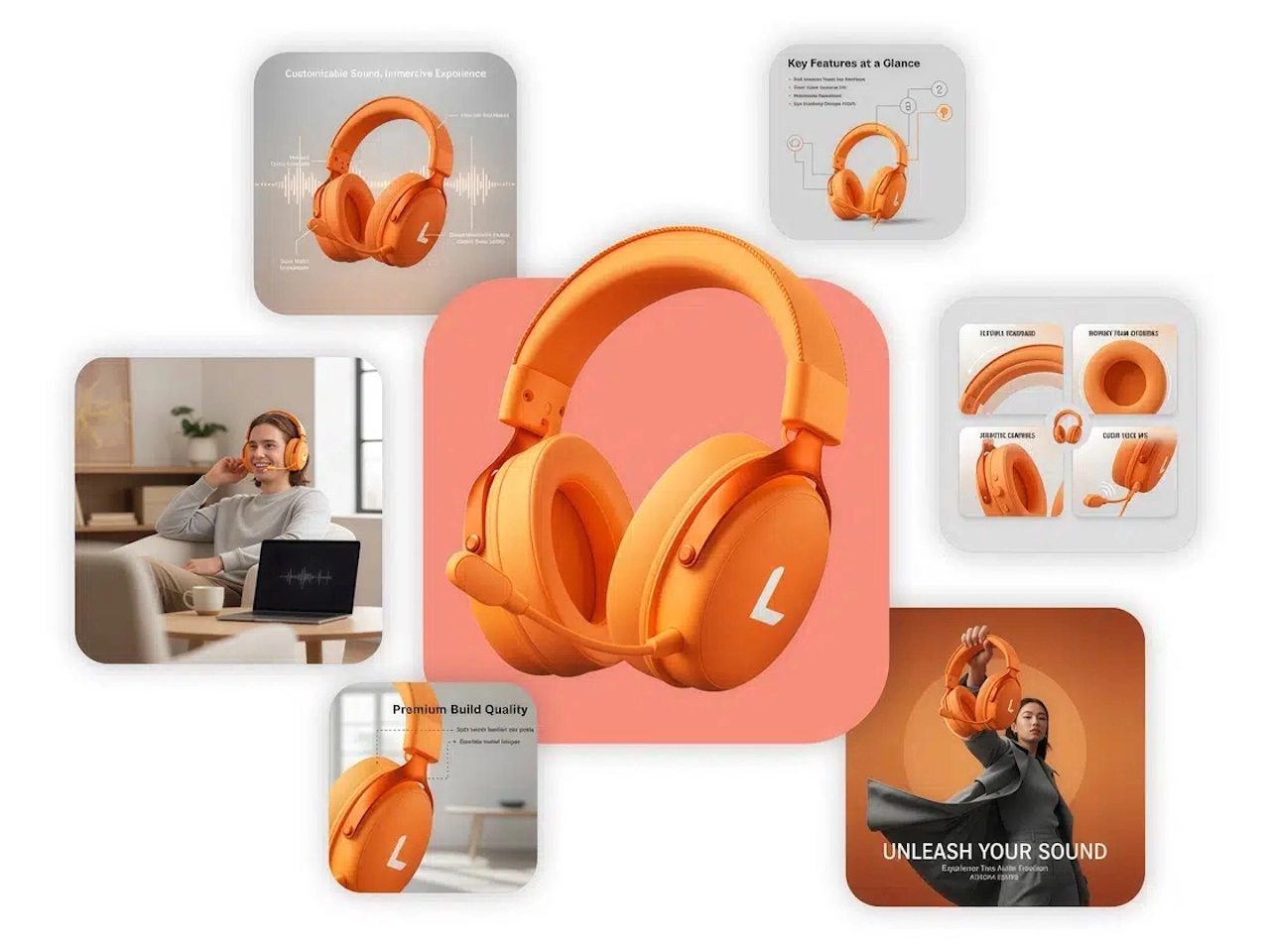
The launch of these two suites marks a significant milestone in Designkit’s expansion. The company is currently focused on providing a streamlined solution for the ‘digital shelf,’ enabling merchants to transform basic product photos into professional, high-converting assets. The platform currently automates the visual design process, allowing users to generate localized content and A+ style layouts that are optimized for various online marketplaces.
Availability and Access
Designkit has launched with a “freemium” model to ensure accessibility for merchants of all sizes, from “side-hustle” entrepreneurs to global conglomerates:
- Global Access: The platform is available now worldwide, reflecting the global nature of modern e-commerce.
- Free Tier: Individual merchants can explore core features and AI generation tools at no cost, allowing them to level the playing field against larger competitors.
- Enterprise Tier: High-volume brands and agencies can access batch processing, dedicated support, and advanced security features at Designkit.com.
Conclusion
In an era where “social commerce” and “global marketplaces” are the default, Designkit provides the infrastructure necessary for brands to keep up with the speed of the consumer. Automating the visual lifecycle, it allows creative teams to stop worrying about the grueling mechanics of a photo shoot and start focusing on the high-level strategy of the sale. As the digital shelf continues to evolve, tools like Designkit will likely become the standard, rather than the exception, for anyone looking to sell on the global stage.
Disclosure: Some of our articles include affiliate links. If you buy something through one of these links, Geeky Gadgets may earn an affiliate commission. Learn about our Disclosure Policy.
