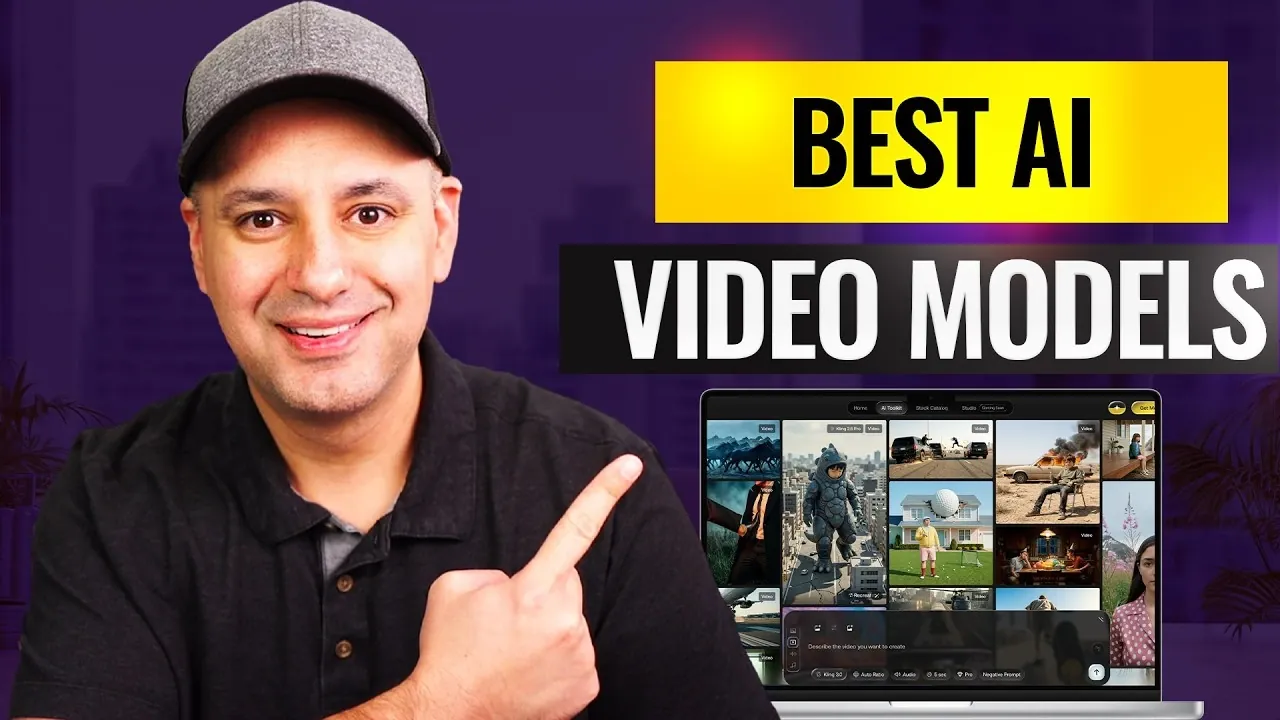
AI video models in 2026 have advanced to a point where they enable creators to produce highly realistic content tailored to diverse needs. Platforms like Artlist have contributed significantly to this progress by offering features such as negative prompts and resolution customization up to 4K. According to Howfinity, models like Veo 3.1 and Kling 3 are particularly notable for their ability to handle complex scenes and replicate lifelike human motion, making them valuable across industries like marketing and filmmaking.
Explore this explainer to understand Veo 3.1’s strengths in cinematic precision, Kling 3’s capabilities in natural motion rendering and Hailuo 2.3’s specialization in product-focused animations. Gain insight into emerging models such as Seedance 2.0, which emphasizes realism and Nano Banana 2, designed for integration into broader workflows. This breakdown provides a detailed look at the features and applications shaping AI-driven video production.
Advancements in AI Video Technology
TL;DR Key Takeaways :
- AI video generators are already achieving near-real-world realism, transforming industries like entertainment, marketing and education with high-quality, customizable content.
- Top AI video models, such as Veo 3.1, Sora 2 Pro, Kling 3 and Hailuo 2.3, offer specialized features like cinematic quality, lifelike human motion and product-centric visuals for diverse applications.
- Artlist has become a centralized platform for AI video creation, offering tools like prompt refinement, negative prompts and extensive customization options to streamline workflows and enhance creativity.
- Emerging models like Seedance 2.0 and Nano Banana 2 are pushing the boundaries of AI video quality, while versatile tools like Grok Imagine and LTX 2.0 Pro cater to a wide range of creative needs.
- Future developments in AI video technology promise end-to-end production capabilities, allowing creators to generate, edit and finalize projects within unified platforms, enhancing efficiency and storytelling potential.
AI video technology in 2026 has achieved a level of realism that makes AI-generated videos nearly indistinguishable from real-world footage. These tools interpret detailed text prompts, allowing creators to generate highly customized outputs tailored to specific needs. Whether you are crafting cinematic sequences, animating lifelike human motion, or showcasing products, AI models offer unmatched flexibility and precision. Features such as resolution customization, reaching up to 4K, and seamless audio synchronization elevate the quality of AI-generated content, making it suitable for professional applications across diverse fields.
In addition to visual fidelity, AI video tools now integrate advanced features like negative prompts, allowing you to exclude unwanted elements from your creations. This ensures that the final product aligns perfectly with your creative vision. These advancements have transformed the way creators approach video production, offering tools that are both powerful and user-friendly.
Top AI Video Models
Several AI video models stand out in 2026 for their unique capabilities and specialized features. Here’s a closer look at the leading options:
- Veo 3.1 (Google): Known for its exceptional cinematic quality, Veo 3.1 excels in rendering complex scenes with intricate lighting and textures. It is ideal for high-end projects that demand precision and realism, making it a favorite among filmmakers and marketers.
- Sora 2 Pro (OpenAI): Although recently cancelled by OpenAI. This model specializes in lifelike visuals and cinematic aesthetics. While it delivers impressive realism, its lack of 4K resolution support may limit its use for ultra-high-definition projects, though it remains a strong choice for standard-resolution content.
- Kling 3: A leader in human motion rendering, Kling 3 produces natural, fluid movements and realistic character expressions. It is particularly well-suited for animation, storytelling and projects requiring detailed human interactions.
- Hailuo 2.3: Designed with marketing and advertising in mind, Hailuo 2.3 excels in creating visually appealing animations and expressive characters. Its focus on product-centric content makes it a go-to tool for businesses aiming to captivate their audiences.

Find more information on AI video by browsing our extensive range of articles, guides and tutorials.
- Minimax 2.5 Preview: Stronger Tools for Front-End Work & Research
- How to Create Professional Videos Fast with Sora 2 AI Video Generator
- LTX-2 Local AI Video Generator from Text to Vivid 4K Video
- CapCut AI Video Editor: Free Tools for Professional Video Creation
- Minimax AI Video Generator
- CapCut AI: How to Create Stunning Videos Without Editing Skills
- How to Use Google VEO 2 AI Video Generator for Realistic Video Creation
- Best AI Image & Video Models 2026 : Video Tools, Music, and Voice
- 10 Mind-Blowing Free AI Animation Tools You Need in 2024
- How to Use AI Tools Like Nano Banana for Pro-Level Videos
Emerging and Additional Models
The AI video landscape continues to evolve, with new models pushing the boundaries of what is possible. Emerging tools in 2026 are setting new benchmarks for quality and functionality:
- Seedance 2.0: Anticipated to surpass Veo 3.1 in cinematic quality and realism, this model is expected to redefine the standards for high-end video production with its advanced rendering capabilities.
- Nano Banana 2 (Google): Although primarily focused on image generation, this model produces high-quality visuals that integrate seamlessly into video workflows, offering creators additional flexibility.
- Grok Imagine and LTX 2.0 Pro: These versatile models are designed for general-purpose use, delivering fast outputs and catering to a broad range of creative needs. Their adaptability makes them valuable tools for creators working on diverse projects.
Artlist Platform Features
Artlist has emerged as a centralized hub for accessing and comparing top AI video, image and voiceover models. Its platform is designed to simplify workflows while offering extensive customization options, empowering creators to achieve their vision with ease. Key features of Artlist include:
- Prompt Refinement Tools: Tools like AutoPrompt help you craft precise inputs, making sure high-quality outputs that align with your creative goals.
- Workflow Options: Artlist offers flexibility with direct text-to-video generation or a text-to-image-to-video workflow, allowing for greater control and precision in the production process.
- Customization Capabilities: Adjust key parameters such as aspect ratios, resolutions (up to 4K), durations and audio integration to meet the specific requirements of your project.
- Negative Prompts: Exclude unwanted elements from your outputs, making sure the final product is polished and aligned with your creative vision.
By combining these features with a user-friendly interface, Artlist has become an essential tool for creators looking to streamline their production process while maintaining high standards of quality.
Evaluation Criteria for AI Models
Selecting the right AI video model is crucial for achieving optimal results. When evaluating your options, consider the following factors:
- Realism: Look for models that excel in realistic motion, lighting and textures to ensure your videos are visually convincing.
- Human Features: Assess the natural appearance of human elements, such as facial expressions, eye movements and body language, especially for projects involving characters.
- Consistency: Ensure the model maintains visual coherence across frames, particularly in dynamic or complex scenes.
- Practicality: Evaluate whether the generated clips are suitable for real-world applications, such as marketing campaigns, cinematic productions, or educational content.
These criteria will help you identify the model that best aligns with your creative and professional objectives.
Future Developments
The future of AI video generation is poised to bring even greater advancements, with platforms like Artlist Studio leading the way. These next-generation tools aim to provide end-to-end AI production capabilities, allowing creators to generate, edit and finalize projects within a single interface. This streamlined approach will enhance efficiency and creativity, allowing you to focus on storytelling rather than technical complexities.
As AI technology continues to evolve, the possibilities for content creation are expanding rapidly. From hyper-realistic visuals to intuitive workflows, the tools of tomorrow promise to empower creators in ways that were once unimaginable. Whether you are a filmmaker, marketer, or educator, the future of AI-driven storytelling holds immense potential for innovation and creativity.
Media Credit: Howfinity
Disclosure: Some of our articles include affiliate links. If you buy something through one of these links, Geeky Gadgets may earn an affiliate commission. Learn about our Disclosure Policy.
