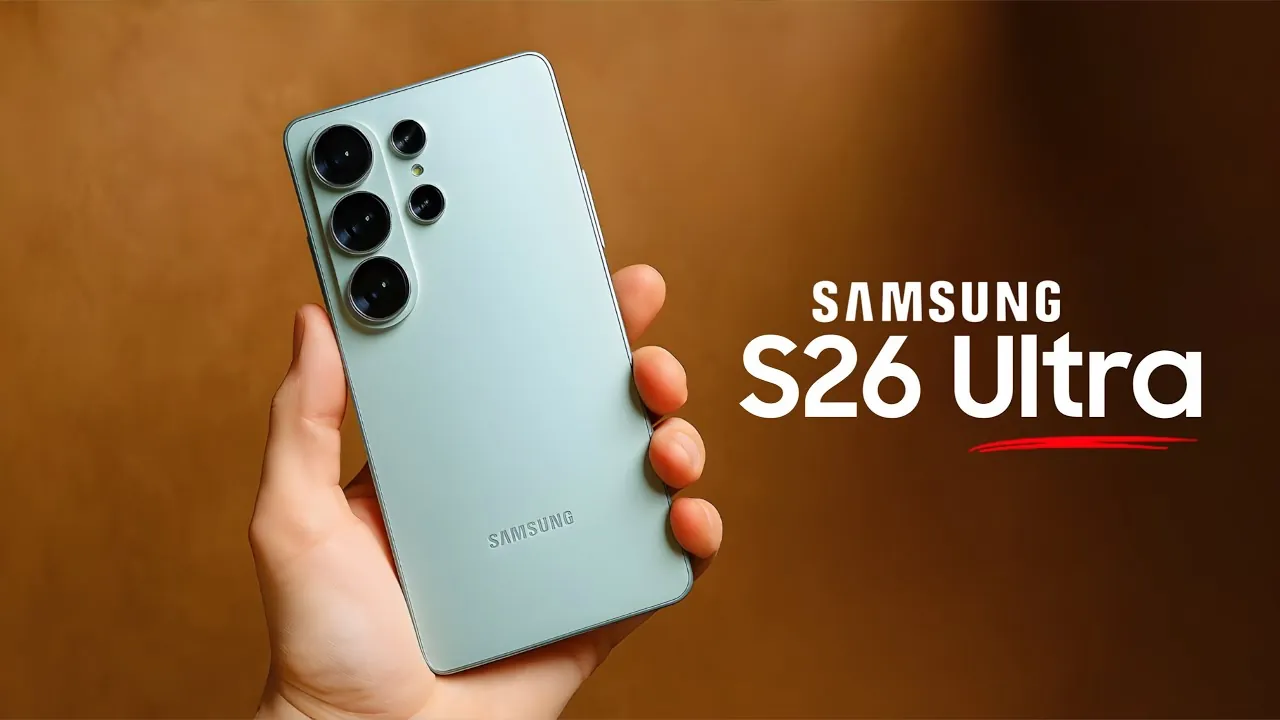
Samsung is poised to make a significant impact in the smartphone and semiconductor industries with the highly anticipated Galaxy S26 Ultra. At the core of this flagship device lies the Exynos 2600 chip, a product of Samsung’s advanced 2-nanometer process. This development represents a pivotal moment for the company as it seeks to rejuvenate its Exynos brand, which has faced criticism in recent years. However, the Galaxy S26 lineup’s region-specific chip strategy and design changes have sparked a spectrum of reactions, raising questions about its broader market reception.

Exynos 2600: A Technological Breakthrough
The Exynos 2600 chip is a testament to Samsung’s commitment to innovation. Built on the 2-nanometer SF2 process, it incorporates a gate-all-around (GAA) transistor architecture, an innovative design that enhances both performance and efficiency. Compared to its predecessor, the 3-nanometer process, the Exynos 260 delivers a 12% performance boost and a 25% improvement in power efficiency, addressing the growing demand for high-performing, energy-efficient chips.
Key features of the Exynos 2600 include:
- AMD’s RDNA GPU architecture allows superior graphics performance for gaming and multimedia applications.
- ARMC1 CPU cores are designed to optimize speed and efficiency for demanding tasks.
These advancements position the Exynos 2600 as a formidable competitor to Apple’s A19 series and Qualcomm’s Snapdragon 8 Elite Gen 5. However, Samsung’s decision to restrict the Exynos 2600 to specific regions—such as Europe, South Korea, and parts of Asia—while relying on Qualcomm’s Snapdragon processors in other markets reflects a cautious and strategic approach. This dual-chip strategy underscores Samsung’s efforts to balance innovation with market-specific demands.
Galaxy S26 Lineup: Regional Strategies and Redesigns
The Galaxy S26 series exemplifies Samsung’s dual-chip strategy, with the Exynos 260 powering the Galaxy S26 Pro in select regions and the Snapdragon 8 Elite Gen 5 dominating in North America, China, and globally for the Galaxy S26 Edge and Ultra models. This approach allows Samsung to cater to diverse market preferences while maintaining competitive performance standards across its flagship lineup.
In addition to its chip strategy, the Galaxy S26 lineup introduces notable design updates, particularly for the Edge and Ultra models. These changes include sleeker aesthetics and refined materials, aimed at enhancing the premium feel of the devices. While many users have praised these updates, others have expressed concerns about potential compromises in durability or ergonomics, highlighting the challenge of meeting diverse consumer expectations. The mixed reactions to these design choices underscore the delicate balance between innovation and practicality.
Semiconductor Competition: Samsung vs. TSMC
Samsung’s advancements in chip technology are part of its broader strategy to challenge TSMC’s dominance in the semiconductor foundry market. By using its 2-nanometer process and offering competitive wafer pricing, Samsung aims to attract new clients and expand its market share. This effort is critical as the company seeks to establish itself as a leader in both smartphone innovation and semiconductor manufacturing.
Despite these efforts, TSMC remains a formidable competitor. Its established reputation, coupled with strong partnerships with major clients like Apple, gives it a significant advantage. For Samsung, the success of the Exynos 260 and its 2-nanometer technology will be pivotal in determining its ability to compete effectively in this high-stakes market. The outcome of this competition will likely shape the future of the semiconductor industry, with implications for both companies and their customers.
Power Efficiency and Performance: Meeting Consumer Demands
The Exynos 260’s improvements in power efficiency and performance are central to the appeal of the Galaxy S26 lineup, particularly the Ultra model. These advancements address the growing consumer demand for longer battery life, faster processing speeds, and seamless multitasking capabilities in premium smartphones.
Preliminary benchmarks suggest that the Exynos 260 delivers impressive results, but its real-world performance will ultimately determine its success. Factors such as thermal management, software optimization, and compatibility with third-party applications will play a crucial role in shaping user experiences. If Samsung can deliver a device that meets these expectations, it could strengthen its position in the competitive high-end smartphone market and win over both loyal customers and new adopters.
Mixed Reactions and the Road Ahead
Despite the technological advancements represented by the Galaxy S26 Ultra and the Exynos 260 chip, their reception remains uncertain. Concerns about the Galaxy S26’s redesigns and the region-specific chip strategy have sparked debates among consumers and industry analysts alike. Additionally, Samsung faces mounting pressure from competitors like TSMC, Apple, and Qualcomm to deliver a product that not only meets but exceeds expectations.
As the Galaxy S26 series approaches its launch, Samsung’s ability to address these challenges will be critical. By focusing on innovation, performance, and user satisfaction, the company has an opportunity to solidify its standing as a leader in both the smartphone and semiconductor industries. However, the competitive landscape remains intense, and the coming months will be pivotal in determining the success of the Galaxy S26 Ultra and the broader Exynos 260 initiative.
Discover other guides from our vast content that could be of interest on the Samsung Galaxy S26 Ultra.
- Samsung Galaxy S26 Ultra: Camera, Design, and Performance
- Samsung Galaxy S26 Ultra Leaks: Design, Features & More
- Samsung Galaxy S26 Ultra: Design, Features, and Performance
- Samsung Galaxy S26 Ultra Design and Performance
- Samsung Galaxy S26 Ultra: Privacy and Display Features
Source & Image Credit: Demon’s Tech
Disclosure: Some of our articles include affiliate links. If you buy something through one of these links, Geeky Gadgets may earn an affiliate commission. Learn about our Disclosure Policy.
