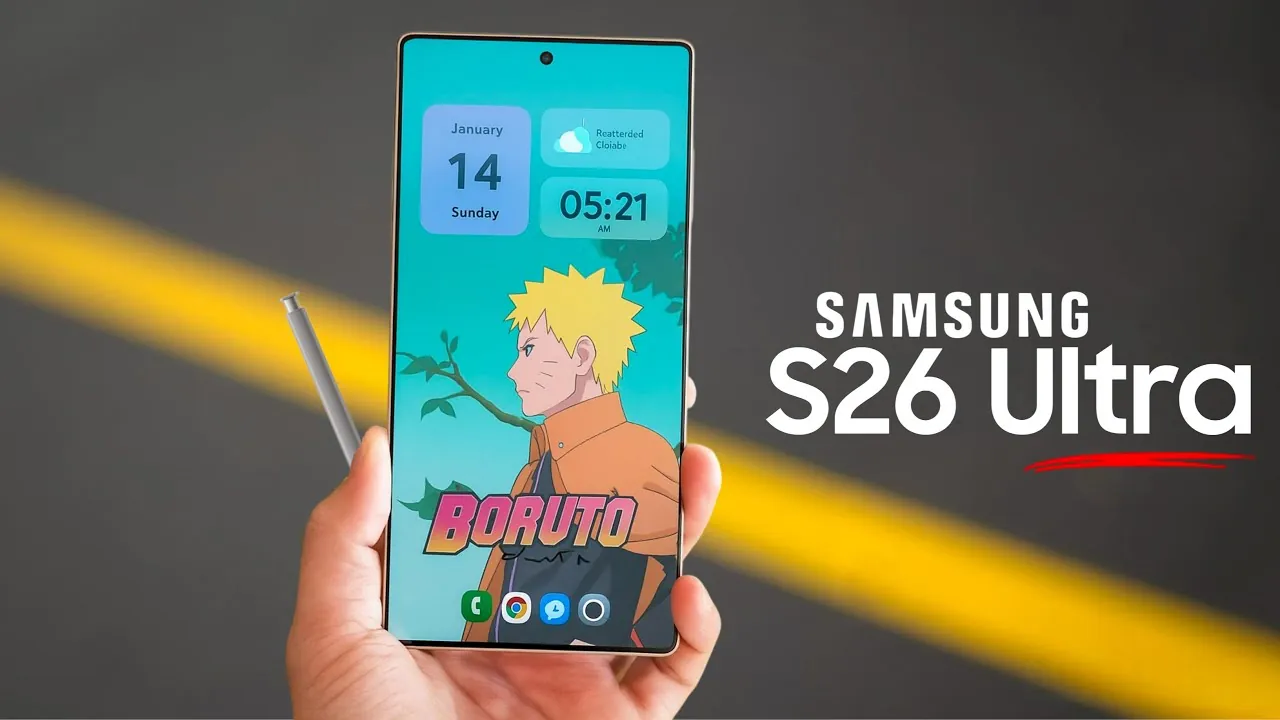
The Samsung Galaxy S26 Ultra is generating significant anticipation in the Android flagship market, with speculation surrounding a potential shift in its processor strategy. Reports suggest that Samsung may incorporate its in-house Exynos 2600 chip into the Galaxy S26 lineup, marking a bold move that could redefine its position in the competitive smartphone landscape. Simultaneously, Qualcomm’s upcoming Snapdragon 8 Elite Gen 2 is expected to deliver notable advancements in performance, raising the stakes for flagship devices in 2026. This strategic decision could influence key factors such as performance benchmarks, pricing, and market competition.

Snapdragon 8 Elite Gen 2: What It Brings to the Table
Qualcomm’s Snapdragon 8 Elite Gen 2 is poised to introduce substantial enhancements in both CPU and GPU performance, making it a strong contender for next-generation flagship devices. One of the most intriguing aspects of this chip is Qualcomm’s rumored decision to maintain its pricing, despite rising production costs and global tariffs. This pricing stability could provide manufacturers like Samsung with an opportunity to allocate resources toward other critical innovations, such as:
- Advanced display technologies for improved visual experiences
- Enhanced battery systems for longer-lasting performance
- AI-powered camera features to elevate photography capabilities
By keeping costs steady, Qualcomm enables brands to deliver innovative features without significantly increasing retail prices. This approach ensures flagship devices remain competitive and appealing to consumers, especially in a market where pricing plays a pivotal role in purchasing decisions.
Samsung’s Processor Strategy: Exynos vs. Snapdragon
Samsung’s processor strategy for the Galaxy S26 Ultra has become a focal point of industry speculation. Historically, Samsung has relied heavily on Qualcomm’s Snapdragon processors for its flagship models, particularly in regions like the United States, where performance expectations are high. However, the company has also ventured into using its proprietary Exynos chips, such as the Exynos 2500 featured in the Galaxy Z Flip 7.
If Samsung decides to integrate the Exynos 2600 into the Galaxy S26 series, it could reduce its reliance on external suppliers and gain greater control over its supply chain. This shift, however, is not without risks. Past iterations of Exynos processors have faced criticism for performance disparities compared to their Snapdragon counterparts, influencing consumer preferences in key markets. To succeed, Samsung must demonstrate that the Exynos 2600 can match or exceed the performance, efficiency, and reliability of Qualcomm’s latest offering.
Rising Costs and Competitive Pressures in the Flagship Market
The global smartphone industry is grappling with rising production costs and increasing tariffs, which are driving up the prices of flagship devices. For Samsung, the Galaxy Ultra series has traditionally been positioned as a premium product, but this strategy faces growing pressure from competitors like Xiaomi, Honor, and Oppo. These brands are actively exploring alternatives to Qualcomm chips, including developing their own silicon, to reduce costs and differentiate their offerings.
If Qualcomm maintains its price freeze on the Snapdragon 8 Elite Gen 2, manufacturers could redirect these savings toward innovations such as foldable displays or advanced AI-driven features. This could enable brands to offer high-end functionality without significantly increasing retail prices, intensifying competition in the flagship segment. For Samsung, balancing premium pricing with competitive features will be critical to maintaining its market leadership.
The Industry’s Shift Toward Proprietary Silicon
The trend toward proprietary silicon is reshaping the competitive dynamics of the smartphone industry. Brands like Samsung, Xiaomi, and Oppo are increasingly investing in in-house chip development to gain greater control over their hardware and achieve product differentiation. For Samsung, the potential adoption of the Exynos 2600 reflects a strategic push to reduce dependency on external suppliers and enhance its technological independence.
However, this transition comes with significant challenges. To succeed, Samsung must ensure that its in-house chips meet or exceed the performance benchmarks set by Qualcomm and other competitors. This includes addressing concerns related to efficiency, thermal management, and compatibility with advanced features like AI processing and 5G connectivity.
For other brands, the move toward custom silicon represents a broader industry shift. As more companies develop proprietary chips, the market could see greater diversity in performance and features, potentially reshaping consumer expectations and driving innovation across the board.
What Lies Ahead for the Galaxy S26 Ultra?
As the launch of the Galaxy S26 Ultra draws closer, Samsung’s processor decision remains a critical point of interest. Qualcomm is expected to unveil more details about the Snapdragon 8 Elite Gen 2 in the coming months, which could influence Samsung’s final strategy. If Samsung opts to integrate the Exynos 2600, it will need to prove that its in-house chip can deliver performance and efficiency on par with Qualcomm’s offering.
For consumers, this decision could have a direct impact on the Galaxy S26 Ultra’s performance, pricing, and feature set. Whether Samsung continues its partnership with Qualcomm or transitions to its proprietary Exynos chip, the outcome will likely shape the next generation of Android flagship devices. Staying informed about these developments will help you make a well-informed decision when considering the Galaxy S26 Ultra as your next smartphone.
Advance your skills in Samsung Galaxy S26 Ultra by reading more of our detailed content.
- Samsung Galaxy S26 Ultra Features: Design, Display, and More
- Samsung Galaxy S26 Ultra: Redefining Smartphone Cameras
- Samsung Galaxy S26 Ultra: Features, Specs, and Release Date
- Samsung Galaxy S26 Ultra: Low-Light Performance and More
- Samsung Galaxy S26 Ultra: Specs, Features, and Innovations
Source & Image Credit: Demon’s Tech
Disclosure: Some of our articles include affiliate links. If you buy something through one of these links, Geeky Gadgets may earn an affiliate commission. Learn about our Disclosure Policy.
